

The Global Bioeconomy. Preliminary Stocktake of G20 Strategies and Practices: a contribution to the Brazilian G20 Presidency’s Global Initiative on Bioeconomy
Detalles
| What we choose to fund will define the lives of everyone on Earth. Given that 100% of the economy depends on nature, how we choose to define our economies in the future will tip the scales towards an equitable and nature-positive future or towards an irreversible and nature-negative future, with devastating consequences for people and the planet. The 'bioeconomy' covers a wide spectrum, from sustainable agriculture, fisheries, forestry and aquaculture to food and feed manufacturing, biotechnology, products and bioenergy. The bioeconomy is distinguished by the fusion of bio and technology, while including investment opportunities in classical nature. How the world's largest economies decide to adopt and champion a modern bioeconomy will largely determine our relationship with nature, trade, and whether it is ultimately regenerative and nature-positive. And, if we look at the economy through the prism of the bioeconomy, we can see a broad potential landscape of investment in both nature conservation and cutting-edge technology, perhaps providing the next set of market opportunities and livelihoods. This new global inventory produced by NatureFinance and FGV-CES, with the support of dozens of civil society organizations, illustrates that, with some overlaps and differences, all G20 members are already making progress on a bioeconomy strategy and practices. |
Recursos relacionados
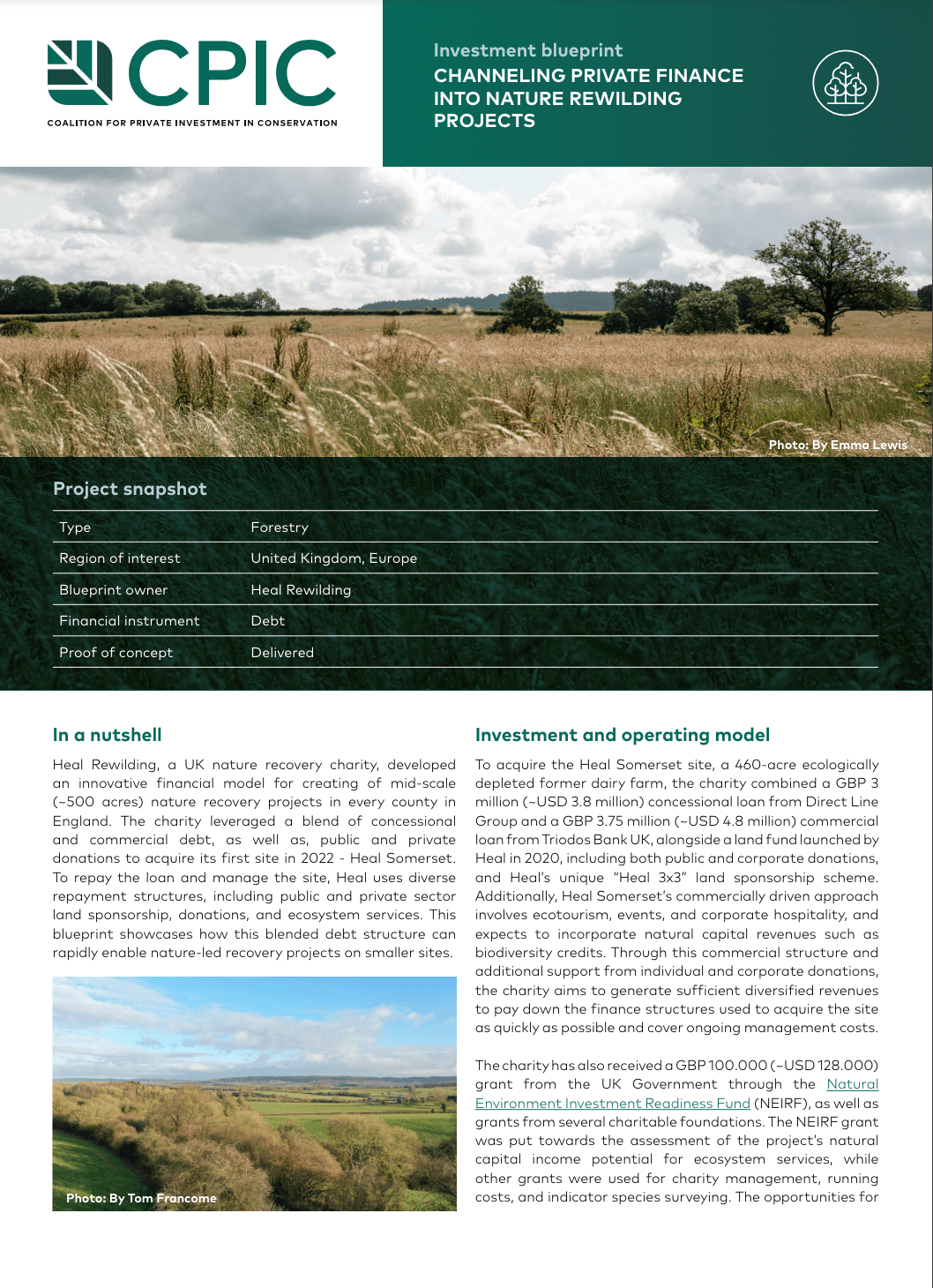
Channelling private finance into nature rewilding projects
Heal Rewilding, a British nature restoration charity, developed an innovative financial model to create medium-scale (about 500 hectares) nature restoration…
Biodiversity and the livestock sector
The aim of the methodology developed in these guidelines is to introduce a harmonised international approach to assessing the impacts…
2026
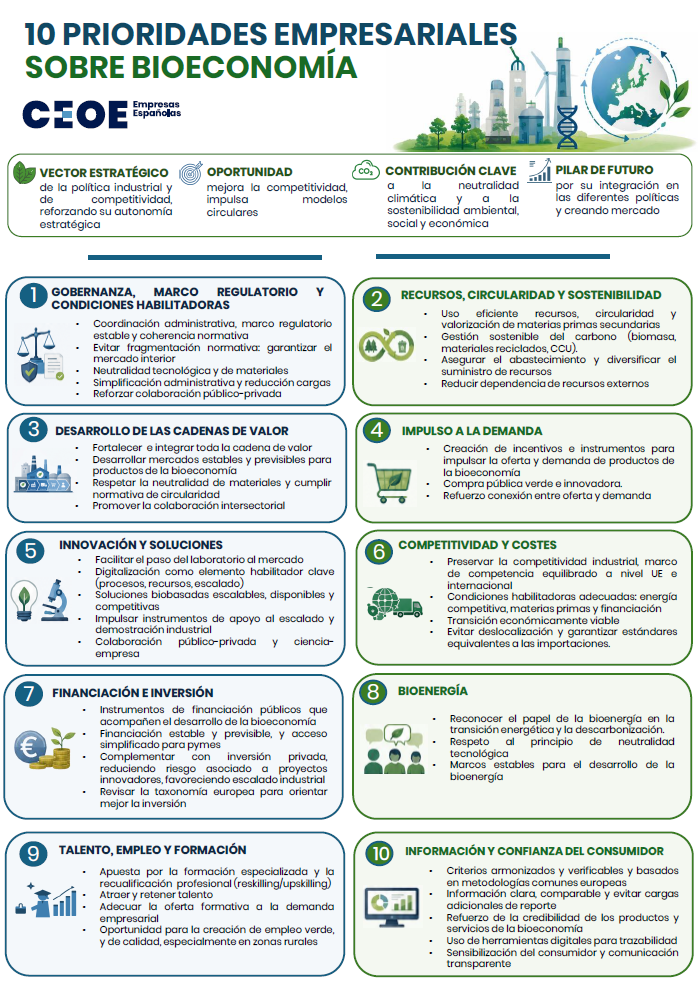
10 Prioridades Empresariales sobre Bioeconomía
El documento "10 Prioridades Empresariales sobre Bioeconomía" recoge las principales propuestas del tejido empresarial para impulsar el desarrollo de la…