

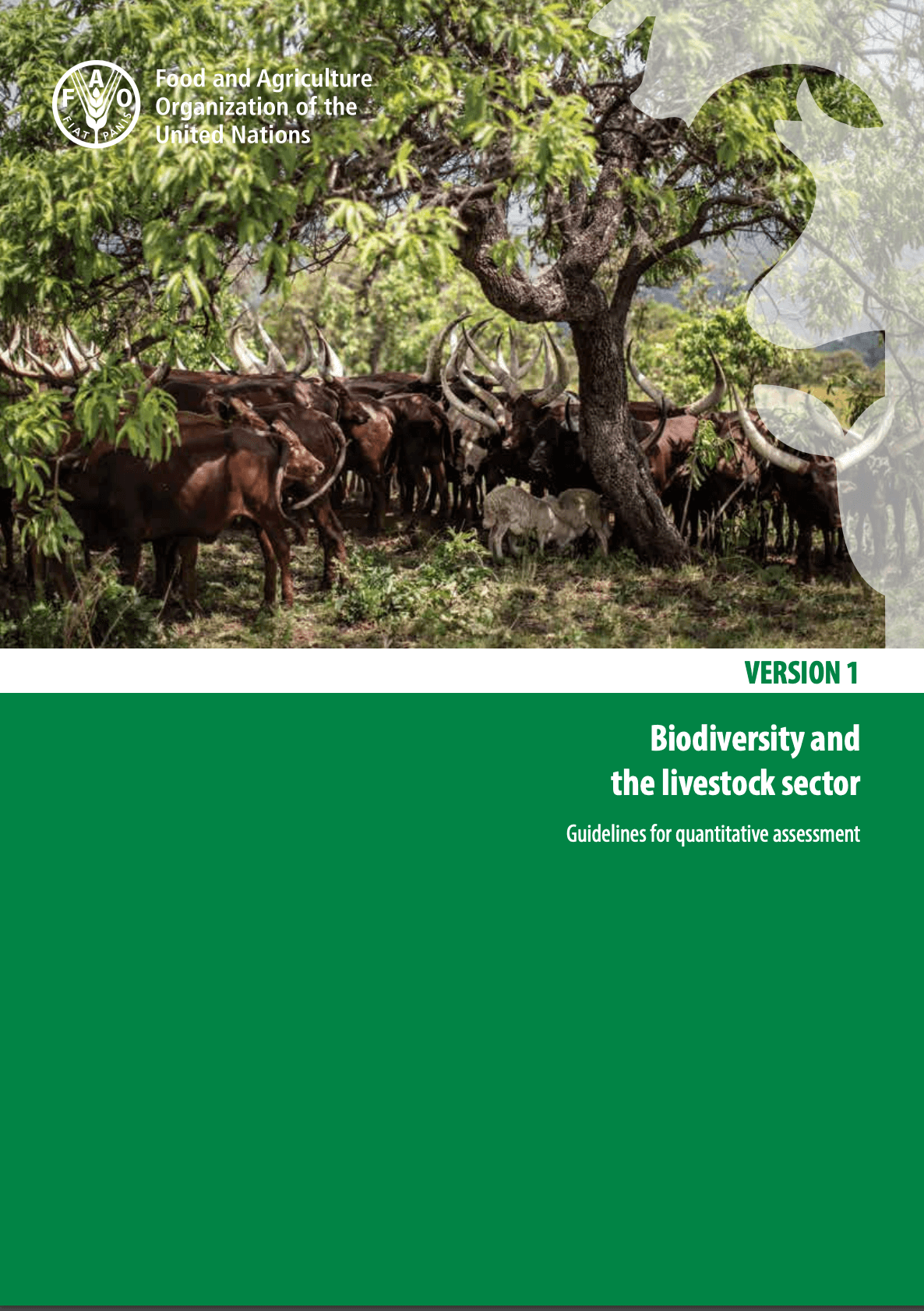
Detalles
| The aim of the methodology developed in these guidelines is to introduce a harmonised international approach to assessing the impacts of livestock farming on biodiversity. The livestock sector is one of the main users of natural resources (especially land) and a major contributor to pollution (e.g. causing nutrient losses, increasing greenhouse gases), making it one of the sectors with the greatest impact on biodiversity. At the same time, livestock farming is one of the few sectors that not only has a negative impact on biodiversity, but also a positive one, so it can act on two levers to improve and maximise profits. |
Recursos relacionados
SeloVerde-MG: science and technology in support of agricultural transparency and traceability in Minas Gerais
This presentation gathers information on the SeloVerde platform, which seeks to combat deforestation in supply chains, by providing verification of…
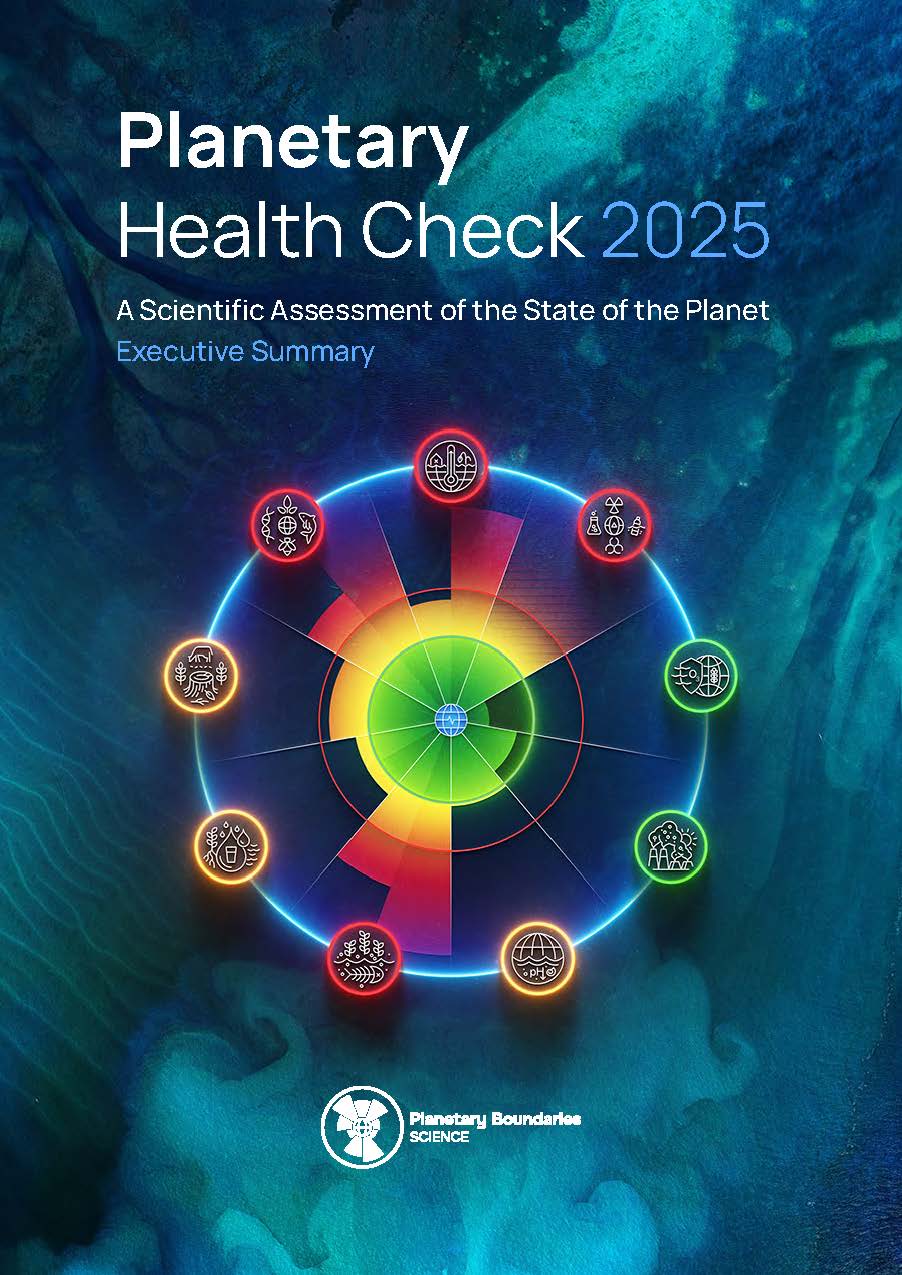
2026
Planetary Health Check 2025
El informe ofrece una radiografía del estado actual del planeta a través del marco de los límites planetarios, una herramienta…
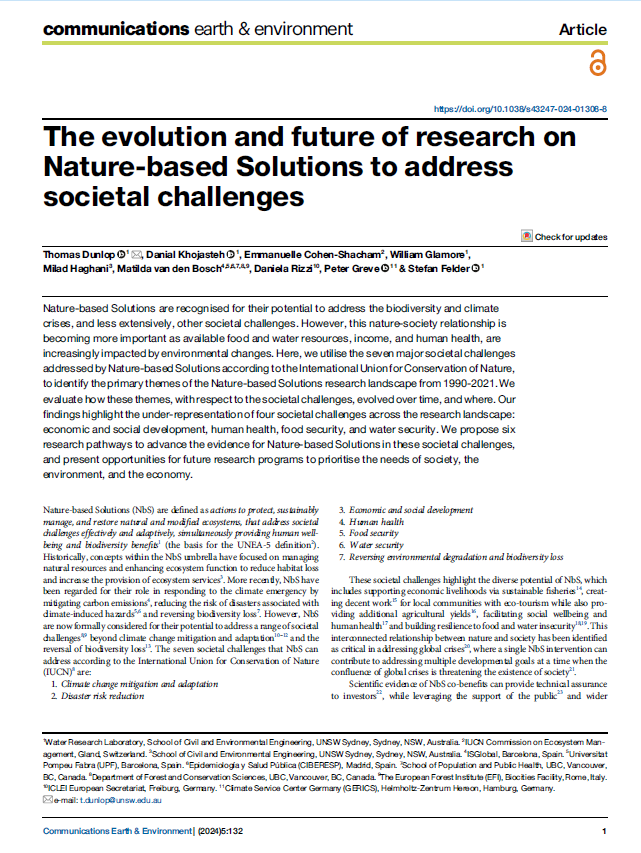
The evolution and future of research on Nature-based Solutions to address societal challenges
This article uses the seven major societal challenges addressed by nature-based solutions according to the International Union for Conservation of…