

Detalles
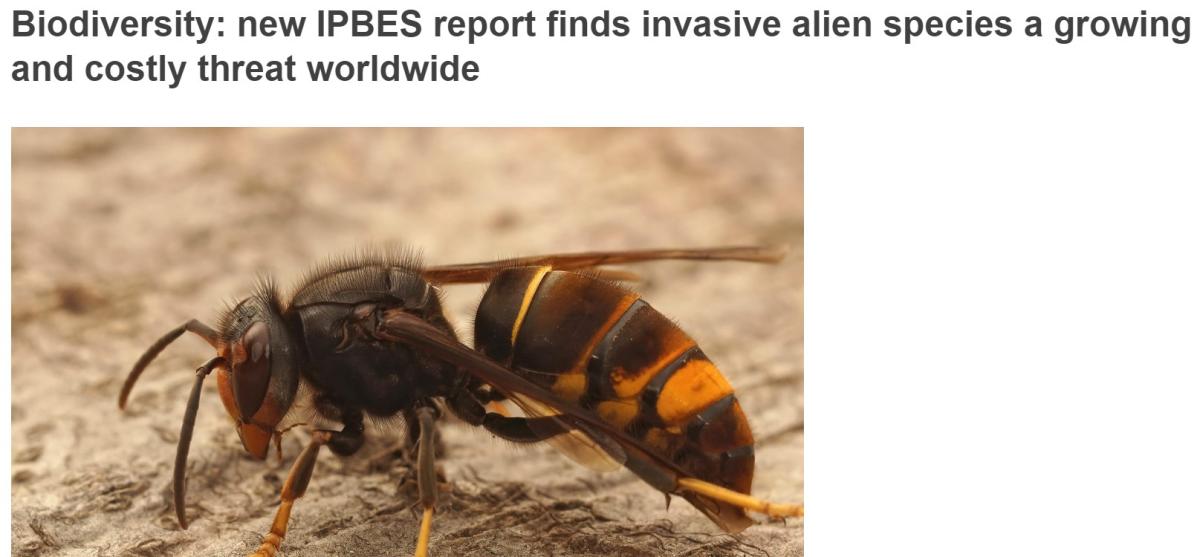
Invasive alien species are one of the top five direct drivers of biodiversity loss globally, along with land and sea use change, direct exploitation of organisms, climate change, and pollution. According to a new report by the Intergovernmental Platform on Biodiversity and Ecosystem Services (IPBES), more than 3,500 of the 37,000 alien species that have been introduced by many human activities into regions and biomes around the world pose significant global threats to nature. economy, food security and human health. Invasive alien species (IAS) play a key role in 60% of global plant and animal extinctions, costing humanity more than $400 billion a year, an amount that has quadrupled every decade since 1970. With the increased movement of people and goods caused by globalization, environmental degradation, and climate change, the number of invasive alien species and their impacts are projected to increase in the future. The report provides evidence, tools and options to help governments and stakeholders achieve an ambitious new global target on invasive alien species: target 6 of the recently adopted Kunming-Montreal Global Biodiversity Framework, which aims to reduce the introduction and establishment of invasive alien species by at least 50% by 2030.
Recursos relacionados
A handbook for identifying, evaluating and reporting other effective area-based conservation measures in marine fisheries
Around the world, fisheries managers strive to practice effective management that provides a clear path to conserving ocean biodiversity while…
Stakeholder engagement guidance
Stakeholder engagement is critical to the success of any initiative aimed at addressing nature loss and degradation. The SBTN network…
Definition of a biodiversity credit. Issue Paper 3
How to define a biodiversity credit? A pertinent and relevant question, as this emerging area of nature finance may have…