

Detalles
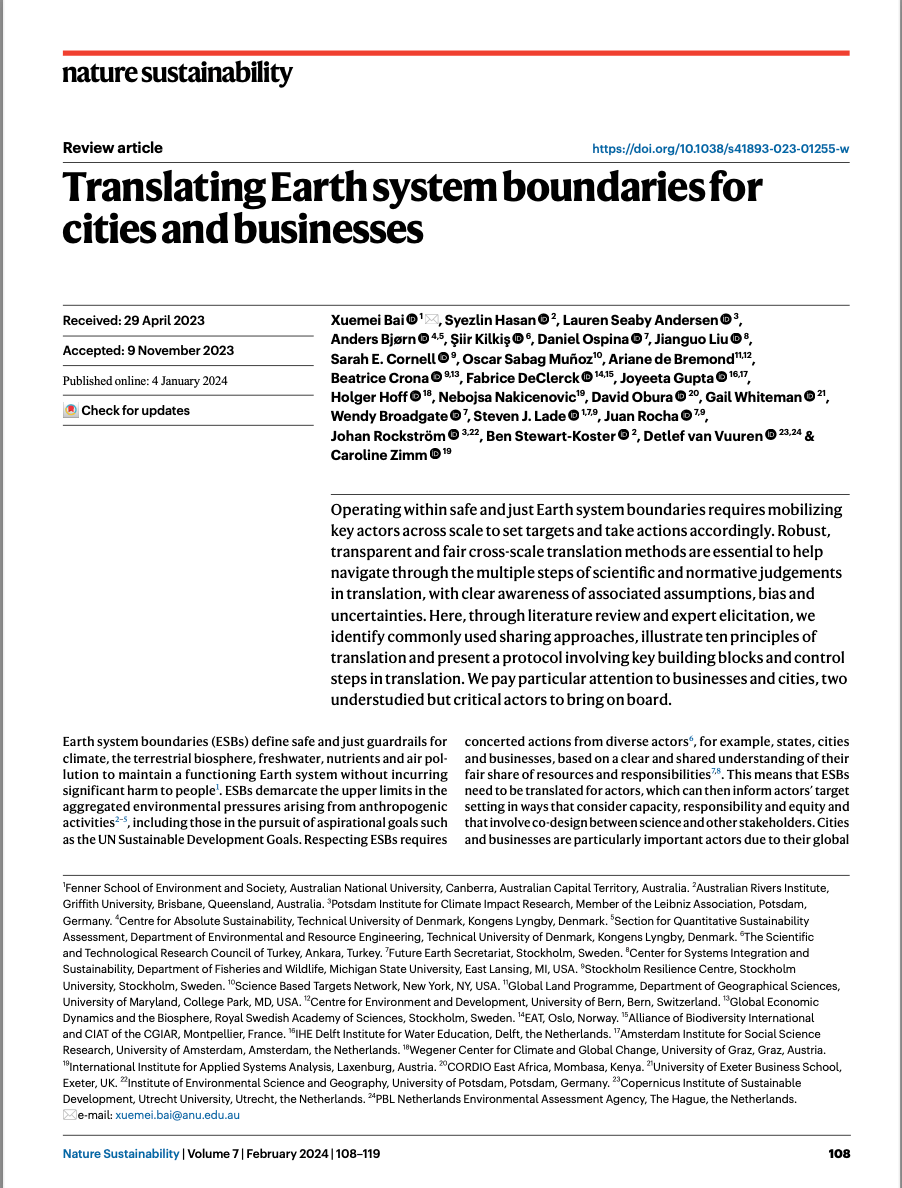
| Earth system boundaries (LST) define safe and fair barriers to climate, terrestrial biosphere, freshwater, nutrients, and air pollution in order to maintain a functioning Earth system without causing significant harm to people1. LSTs demarcate the upper limits of aggregate environmental pressures arising from anthropogenic activities, including those exerted to achieve ambitious goals such as the United Nations Sustainable Development Goals. Respecting LSTs requires concerted actions from various actors, e.g. states, cities and companies, based on a clear and shared understanding of their fair share of resources and responsibilities. This means that LSTs need to be translated for agents, which in turn can inform agents' goal-setting in a way that takes into account capacity, accountability, and equity and involves co-design between science and other stakeholders. Cities and businesses are especially important players because of their global connectivity, the magnitude of their impact, and the potential of their agency. A number of actors are developing science-based targets and methods to respect LSTs. However, critical questions remain. How many actions do cities and businesses need to take to achieve the global goals? What is the fair share of efforts that individual cities and companies should devote to respecting LSTs, taking due account of their current and historical responsibility, socio-ecological context and capacity? Operating within safe and fair Earth system boundaries requires mobilizing key actors across scale to set goals and take action accordingly. Translation methods at different scales that are robust, transparent, and fair are essential to help navigate through the multiple steps of scientific and normative judgments in translation, with a clear awareness of the associated assumptions, biases, and uncertainties. Through a literature review and consultation with experts, this research identifies the most commonly used exchange approaches, illustrates 10 translation principles, and presents a protocol that includes the basic elements and control steps of translation. The analysis pays special attention to companies and cities, two agents that have been little studied but are fundamental when it comes to participation. |
Recursos relacionados
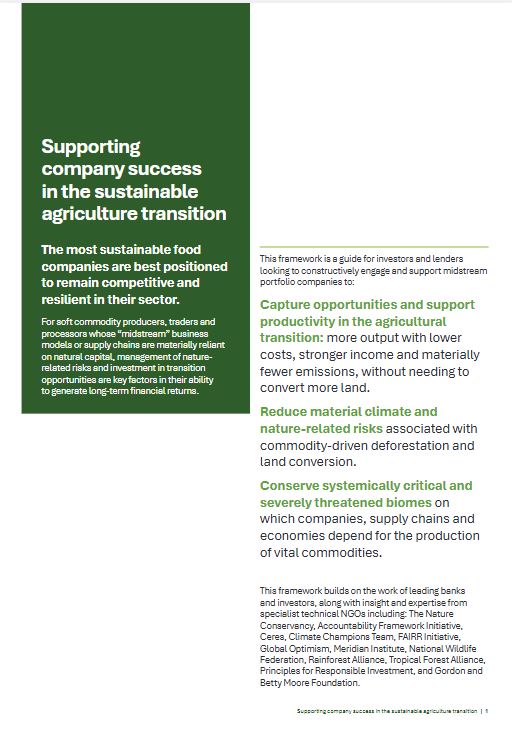
Supporting company success in the sustainable agriculture transition: The most sustainable food
This document offers practical guidance in key areas such as traceability, incentive alignment, financial innovation and political commitment. It also…
Nature at COP30 – Advocacy Toolkit for Business
This tool provides resources to support companies in their efforts to advocate and take action to expand and integrate nature…
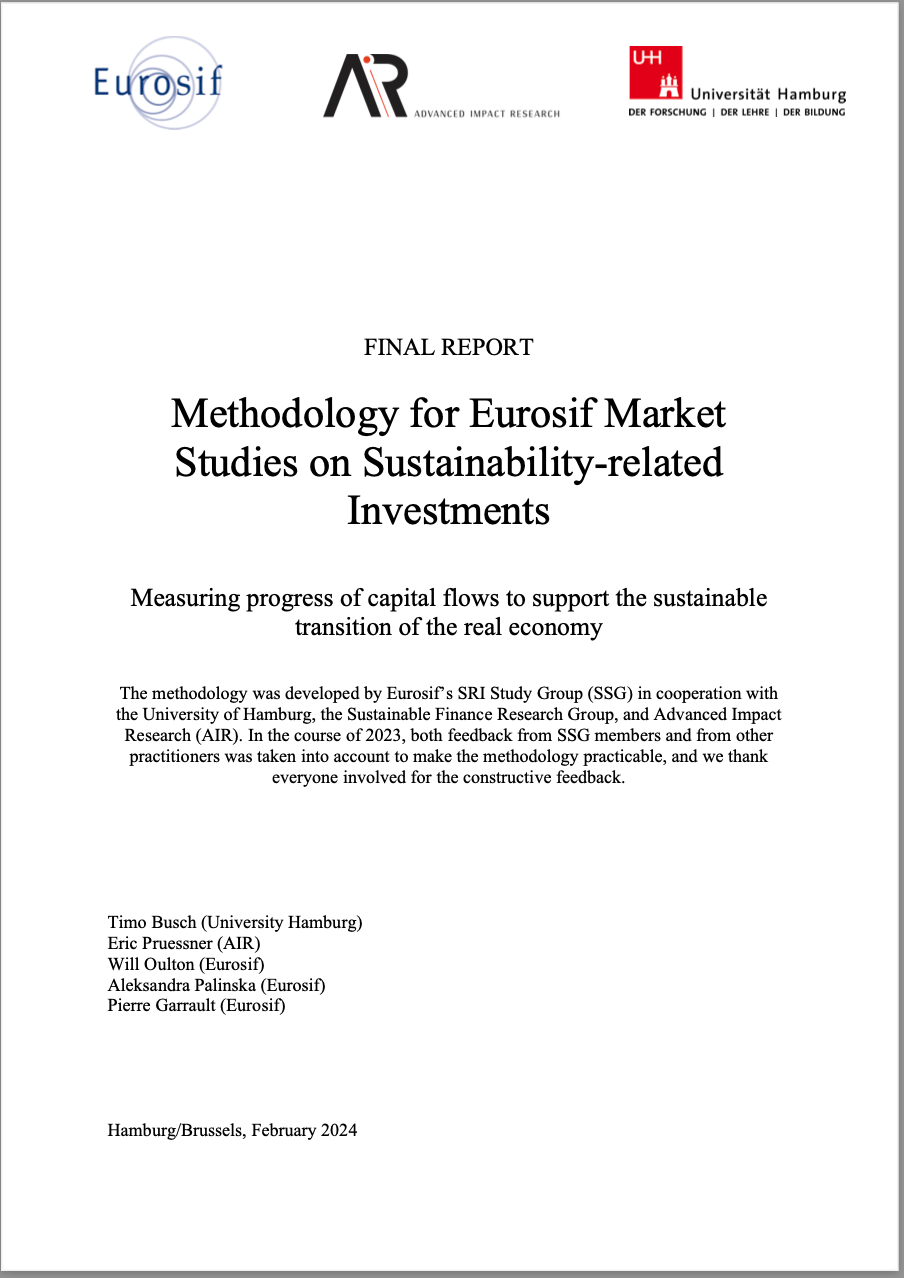
Methodology for Eurosif Market Studies on Sustainability-related Investments
This publication includes a new methodology for the preparation of future market studies on sustainability-related investments across Europe. The methodology…