

Detalles
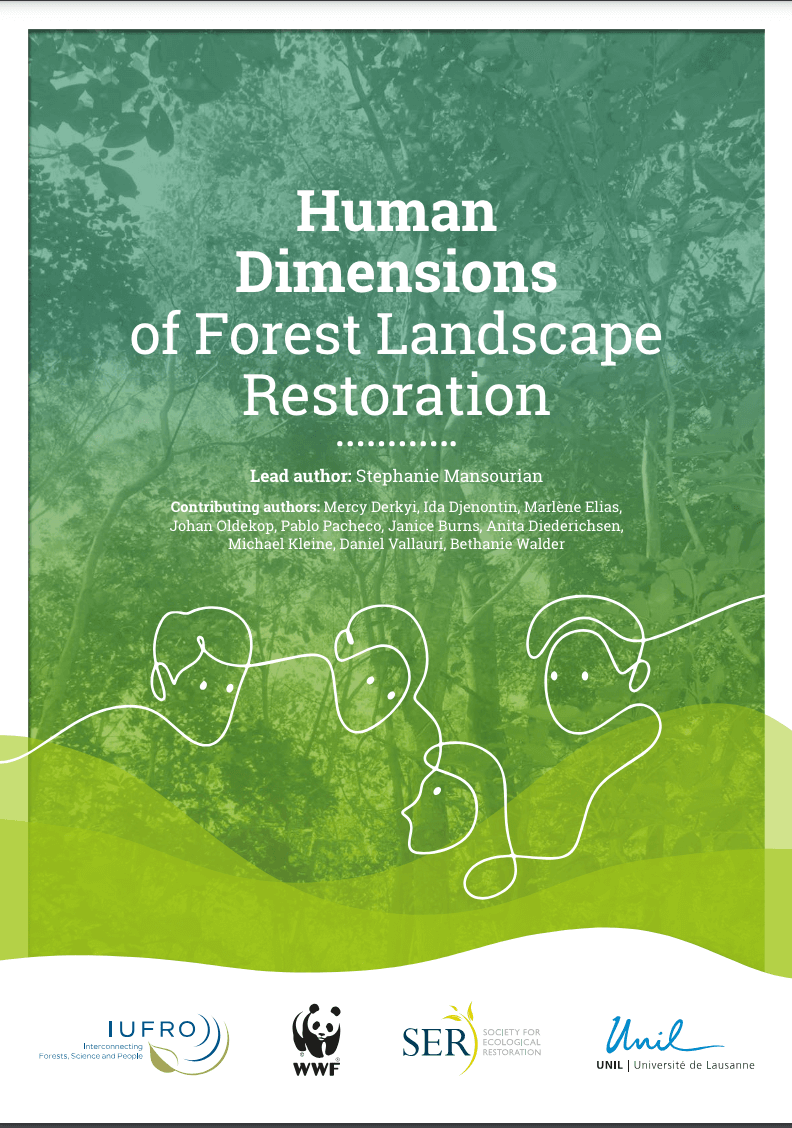
| Forest land restoration (FLR) takes many forms and is a global priority for reversing forest loss and degradation. Humans are a central part of restoration, and yet human aspects are not sufficiently included in forest restoration projects, as highlighted in a new report by IUFRO, WWF, SER and UNIL on the human dimensions of forest landscape restoration. This guide is primarily aimed at practitioners in forest landscape restoration (and other forms of forest restoration), including, but not limited to, ecologists and foresters who may have little knowledge of social science concepts or the integration of human aspects into their work. It is also aimed at academics, educators and researchers of forest landscape restoration. Many of the concepts are also transferable to ecological and ecosystem restoration in general. |
Recursos relacionados

Nature Finance and Biodiversity Credits: A Private Sector Roadmap to Finance and Act on Nature
Companies can start contributing to the nature positive objective by defining a nature strategy and the corresponding nature finance action…

Investing to reconnect financial value with people, nature and the real economy: an iterative blueprint for capital markets actors, policymakers and regulators
This paper discusses the growing disconnect between financial markets and the real economy, and asks how the balance of the…
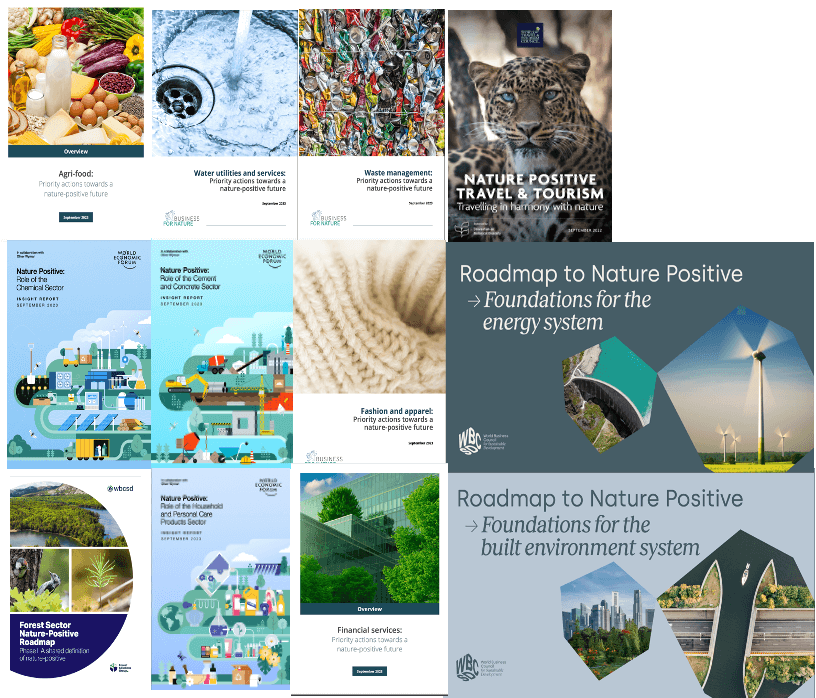
Sector Actions Towards a Nature-Positive Future
In December 2022, governments adopted the Global Biodiversity Framework (GBF) with a mission to halt and reverse nature loss by…