

Detalles
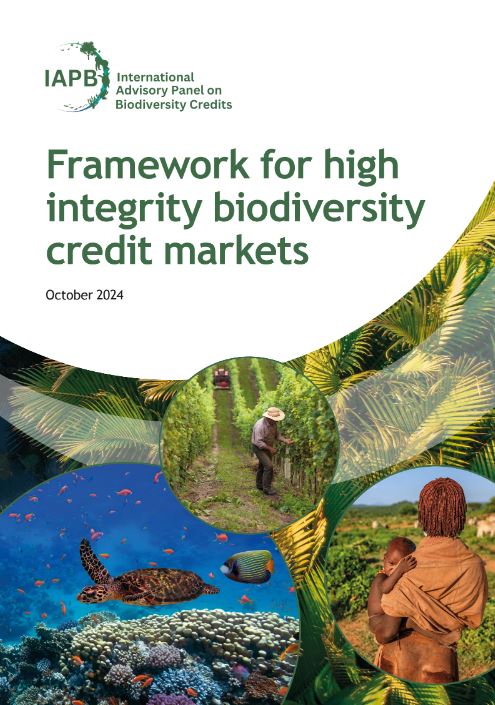
Key findings of this document from the International Advisory Panel on Biodiversity Credits (IAPB), released at COP16 of the Convention on Biological Diversity include:
- High-integrity biodiversity credits and credit markets are feasible to develop at scale and pace. This will require the action of multiple actors, as set out in this document. In particular, governments need policy directives or regulatory mechanisms to unlock funding that benefits nature and its guardians.
- High integrity means verified outcomes for nature, fairness and justice for people, and good governance for markets. High integrity at all levels is a prerequisite for scale, not a hindrance. Confidence in high integrity at project and market level. Demand for biodiversity credits is growing and private sector organizations are increasingly understanding of their responsibilities and impacts on nature, and governments are developing and implementing policy frameworks to support or mandate actions.
- The important role of the custodians of nature is evident. Indigenous peoples and local communities, in both the Global North and the Global South, are often on the "frontline" of management. Their knowledge, experience, traditions and values are of vital importance for the maintenance, restoration and sustainable use of nature. Indigenous peoples and local communities must be co-creators of projects and markets and include in all aspects of design and implementation. Free, prior and informed consent and respect for human rights and the rights to land, water and other resources.
- A biodiversity credit is "a certificate that represents a unit of measurement and positive outcomes for biodiversity that are durable and in addition to what would have otherwise occurred" (BCA, 2024a). IAPB's work builds on this definition, including conservation and restoration outcomes, to examine some aspects in greater depth and establish the criteria needed to ensure the integrity of biodiversity credits and markets.
Recursos relacionados
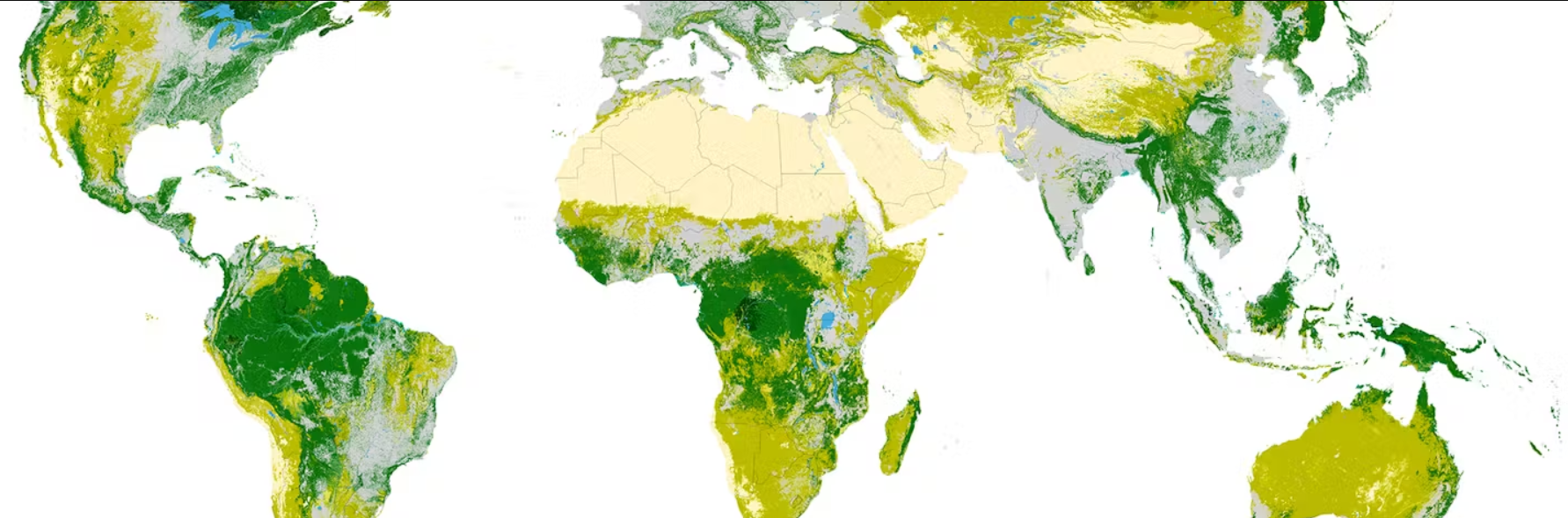
Natural Lands Map Provides Baseline for Companies’ No Conversion Targets
This new tool aims to help companies that source raw materials from natural terrestrial ecosystems to change the way they…
Ecosystem Condition Protocol information webinar
On 19 June 2024, the Protocol on the State of Ecosystems (EC Protocol) was launched through an open information webinar.The…