

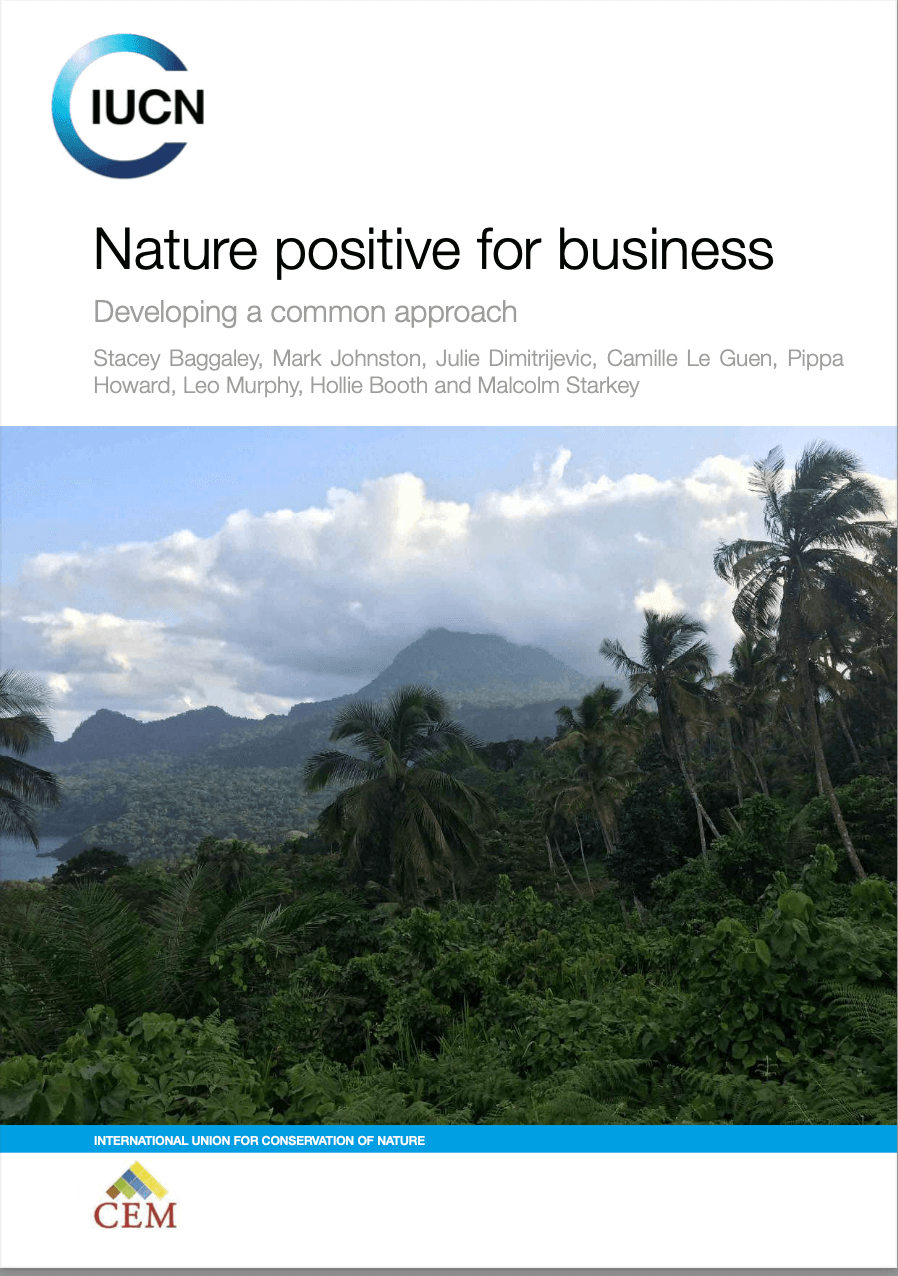
Detalles
| Nature, which encompasses the areas of water, biodiversity, soil/land and air/climate, continues to decline with significant negative impacts on society. Companies need to understand their impacts and dependencies on nature, manage their nature-related risks, and incorporate the value of nature into their decision-making to identify and implement opportunities that contribute to the overall goal of being nature-positive. Achieving this goal requires collective action across sectors, value chains and landscapes. Fundamentally, the positive for nature represents systemic and transformative change rather than a "remodeling" of current practices. Utilizing prioritization approaches can allow companies to identify areas where they can make a material and significant contribution early on as systemic and transformative change is adopted across the enterprise. This report details principles, definitions, and recommended actions that can be used in decision-making by businesses, financial institutions, and civil society, in order to develop specific guidelines, policies, or plans that contribute to a global goal for nature and to the 2030 mission of the Kunming-Montreal Global Biodiversity Framework. |
Recursos relacionados
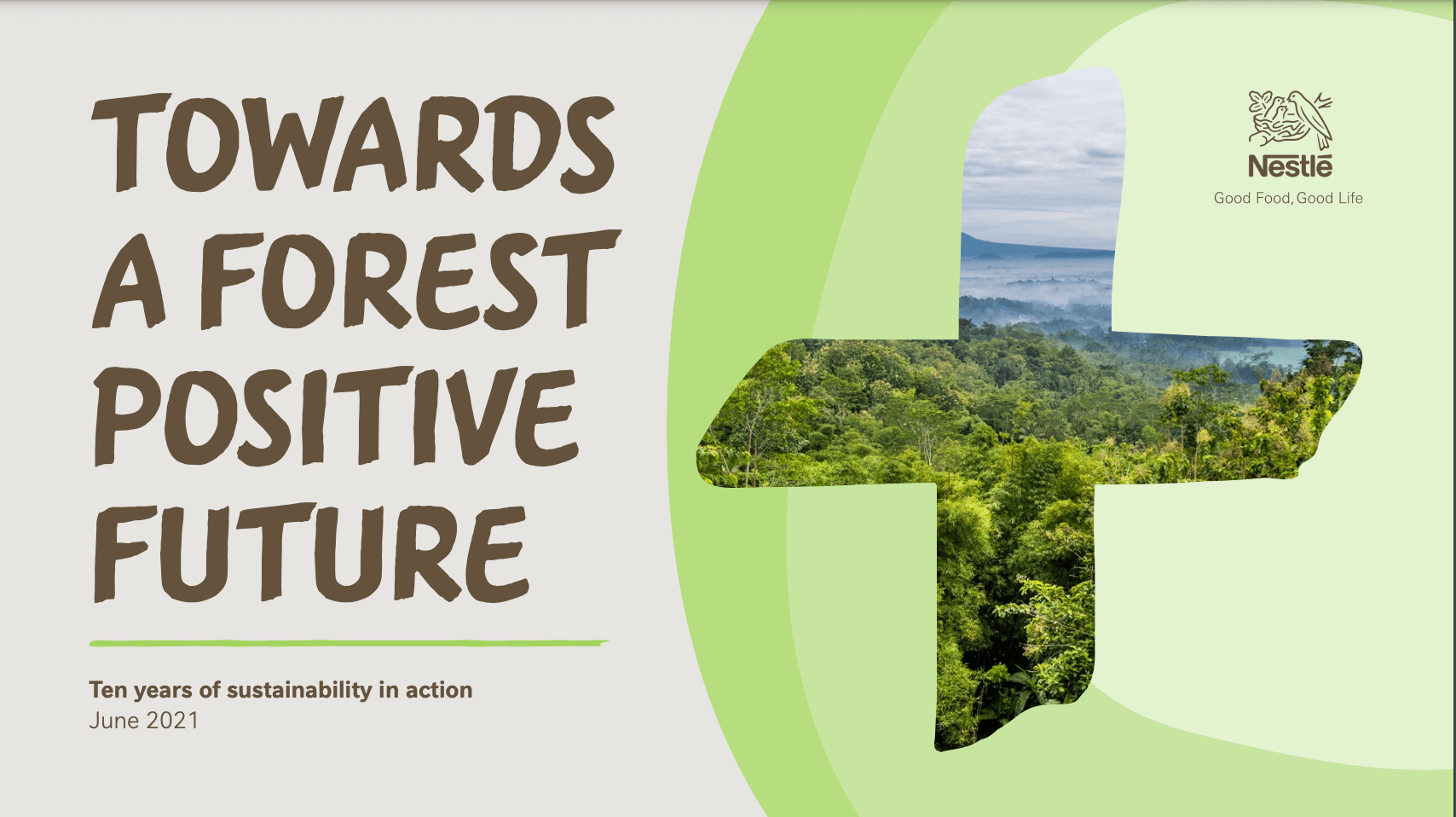
2022
Towards a Forest Positive Future
En 2010, Nestlé publicó su compromiso de poner fin a la deforestación en sus cadenas de suministro. Desde entonces, la…
Regulation 2024/1991 of the European Parliament and of the Council on nature restoration and amending Regulation (EU) 2022/869
The CEOE has published a report on Regulation 2024/1991 of the European Parliament and of the Council on nature restoration,…
Unlocking Private Finance for Nature as Infrastructure
Este informe plantea que la financiación actual para la naturaleza es insuficiente y fragmentada, y propone un cambio de enfoque:…