

Detalles
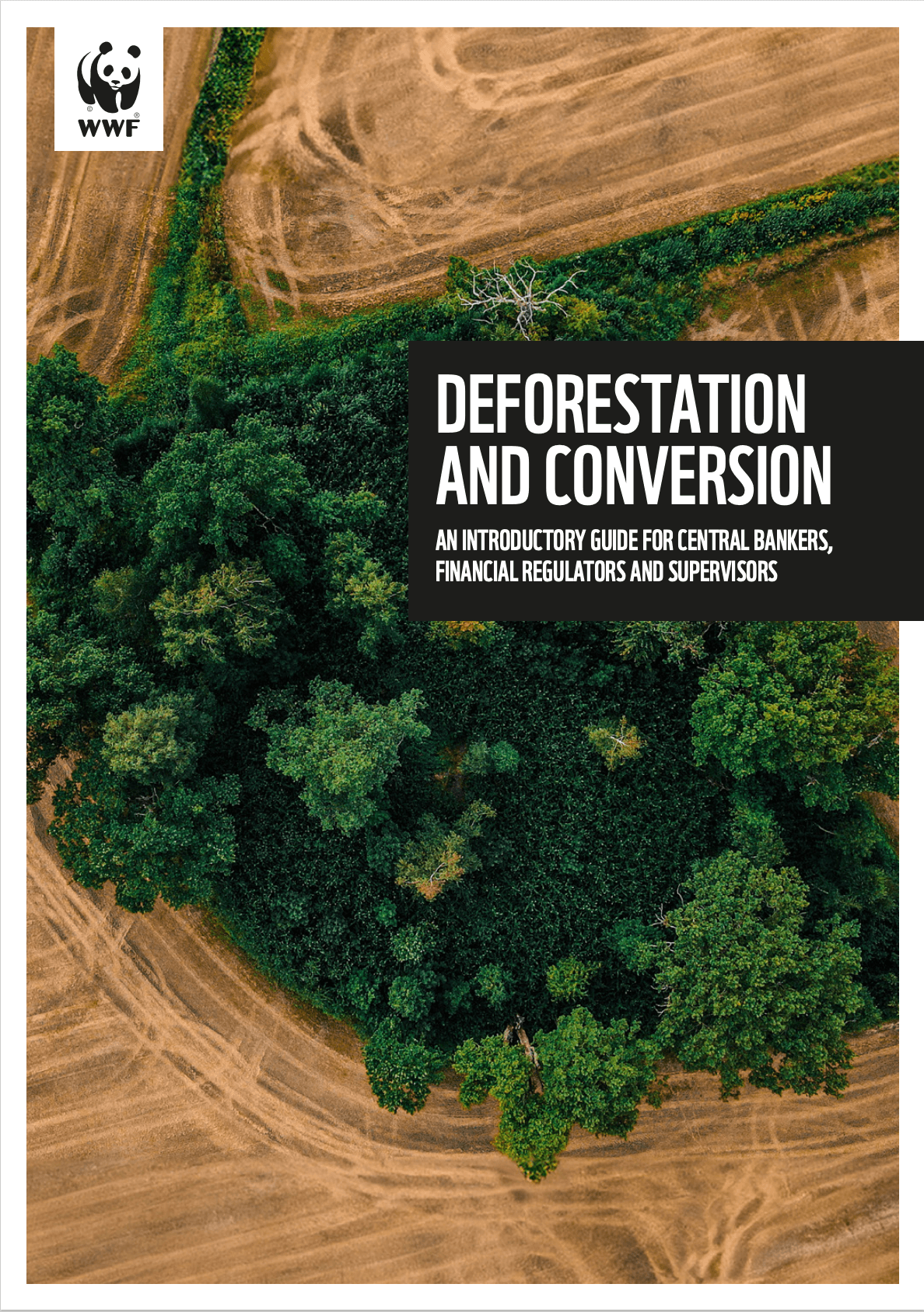
This new guide from WWF's Greening Financial Regulation Initiative sheds light on how the financial sector contributes to deforestation and the conversion of ecosystems other than forests, calling on central banks, financial regulators and supervisors to put in place appropriate monetary, regulatory and supervisory measures.
One of the most important drivers of climate change and nature loss is land-use change, of which 48% consists of deforestation and conversion of other ecosystems. Deforestation and conversion are the source of physical and transition risks that affect the financial system and can lead to the collapse of the entire financial system.
Still, finance continues to flow to the main driver of deforestation: agricultural expansion. According to Global Canopy, in October 2022, 150 financial institutions provided US$6.1 trillion to 350 companies exposed to deforestation risk.
Financial institutions responsible for allocating resources to sectors at risk of deforestation do not fully recognize deforestation and conversion as a source of risk. This is reflected in the general lack of efforts to eliminate commodity-driven deforestation.
Central banks, financial regulators and supervisors must play their part in addressing deforestation and conversion, a fundamental requirement to address the global problem of climate change and the risks related to nature losses.
In order to significantly reduce the risks posed by climate change and nature loss in the financial market and to ensure long-term financial stability, WWF urges central banking, regulatory and supervisory authorities to:
- Address the drivers of nature loss and climate change as part of their mandates to ensure and maintain financial market and price stability.
- Adopt measures that directly address financial flows to economic activities responsible for deforestation and conversion, and ensure that financial portfolios do not contribute to activities that are worsening climate change and nature loss;
- Assess deforestation and conversion in monetary and non-monetary policy portfolios to mitigate financial risks linked to deforestation and conversion.
Recursos relacionados
Financing Nature Based Solutions for Adaptation at Scale: Learning from Specialised Investment Managers and Nature Funds
This report is the first result of the project 'Global Tools to Unlock Capital for Investments in Nature-Based Solutions'. It…
Resiliencia económica y ambiental: el binomio de la nueva economía
Esta publicación “Resiliencia económica y ambiental: el binomio de la nueva economía” forma parte del trabajo de SEO/BirdLife para promover…
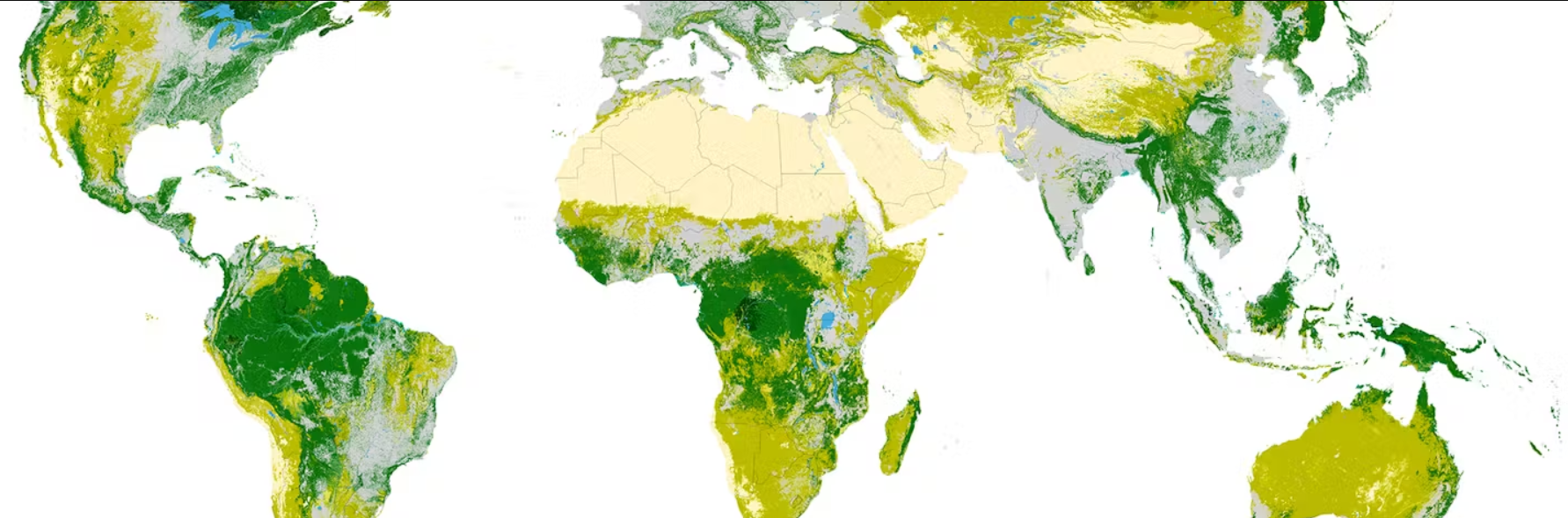
Natural Lands Map Provides Baseline for Companies’ No Conversion Targets
This new tool aims to help companies that source raw materials from natural terrestrial ecosystems to change the way they…