

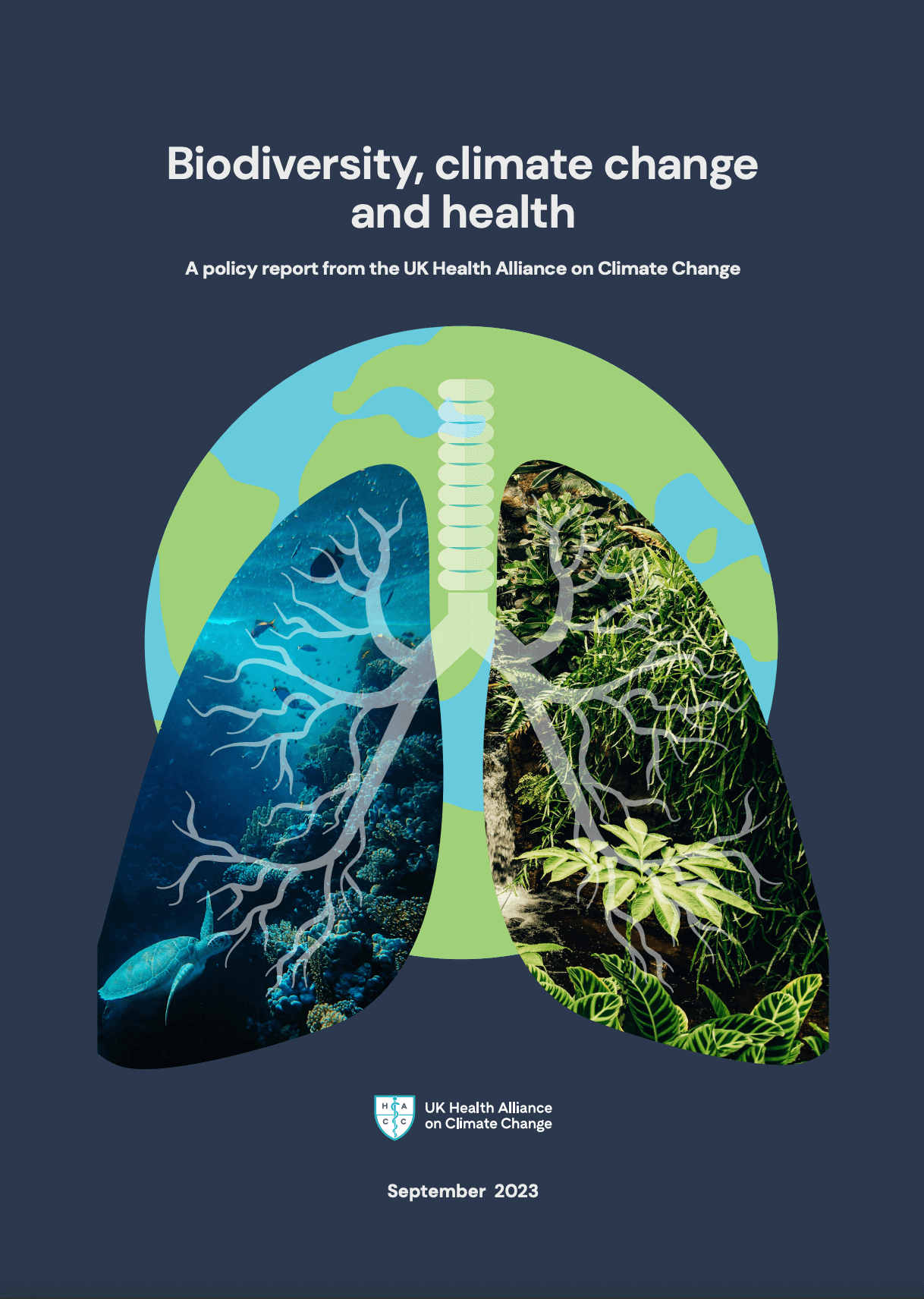
Detalles
| Both the climate and ecological crises are caused by human activities. Each has catastrophic implications for human health, and their strong interconnectedness creates a vicious cycle in which each is reinforced by the other. A stable natural environment is critical to limiting global warming and achieving the UN's Sustainable Development Goals (SDGs). Conversely, biodiversity loss is a major threat to human, animal and environmental health. To mitigate damage and maximize the co-benefits of action, it is important that policies jointly address climate change and biodiversity loss. This report describes the impact of biodiversity loss on land and oceans on human health and proposes recommendations to reduce biodiversity loss, restore nature and achieve climate goals for the benefit of health. |
Recursos relacionados
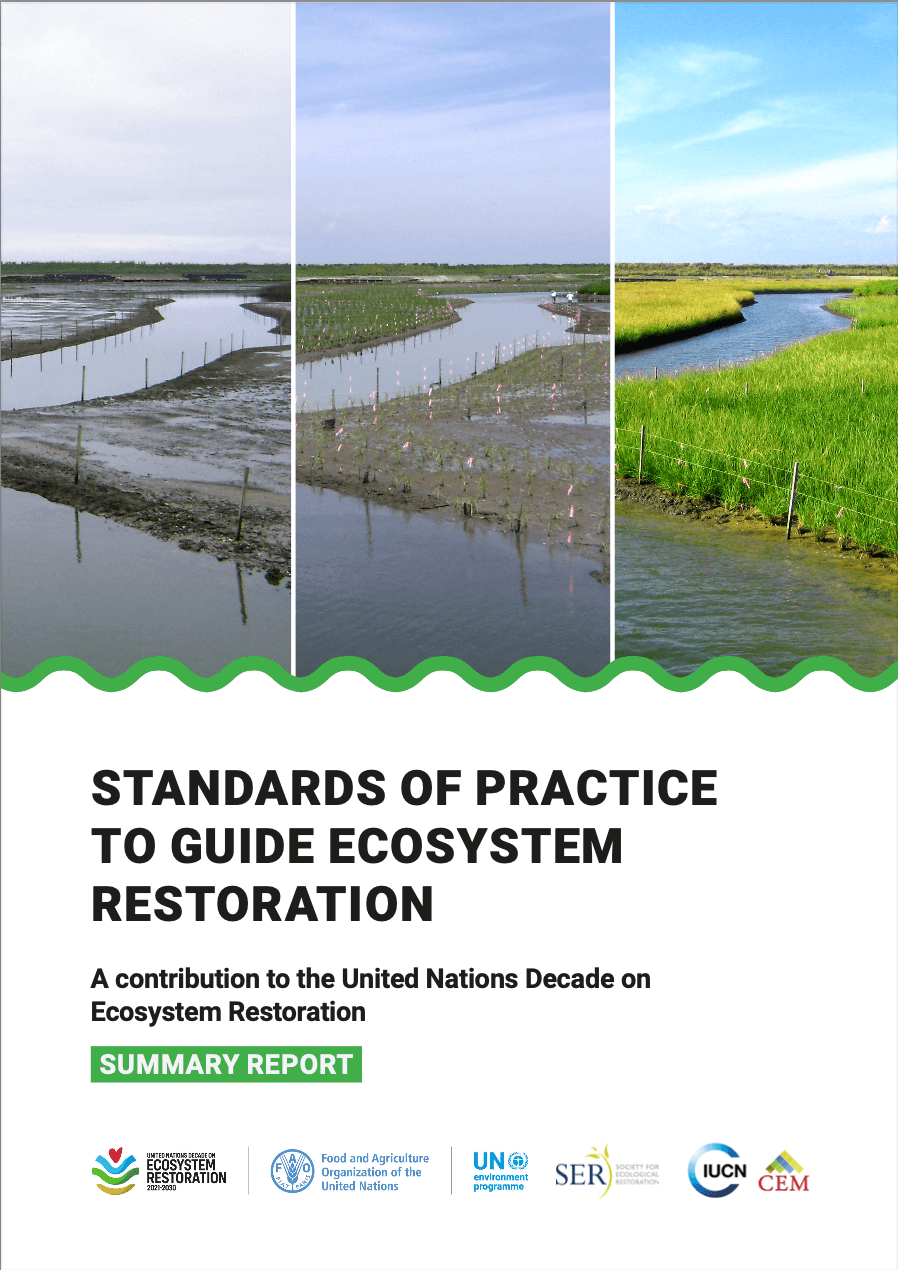
Standards of practice to guide ecosystem restoration
The United Nations Decade on Ecosystem Restoration 2021-2030 (hereinafter referred to as the "United Nations Decade") recognizes the critical need…
The High Cost of Ignoring Scope 3 Deforestation Emissions
This Orbitas report, developed in collaboration with AidEnvironment and Profundo, sheds light on the significant climate-related financial risks arising from…
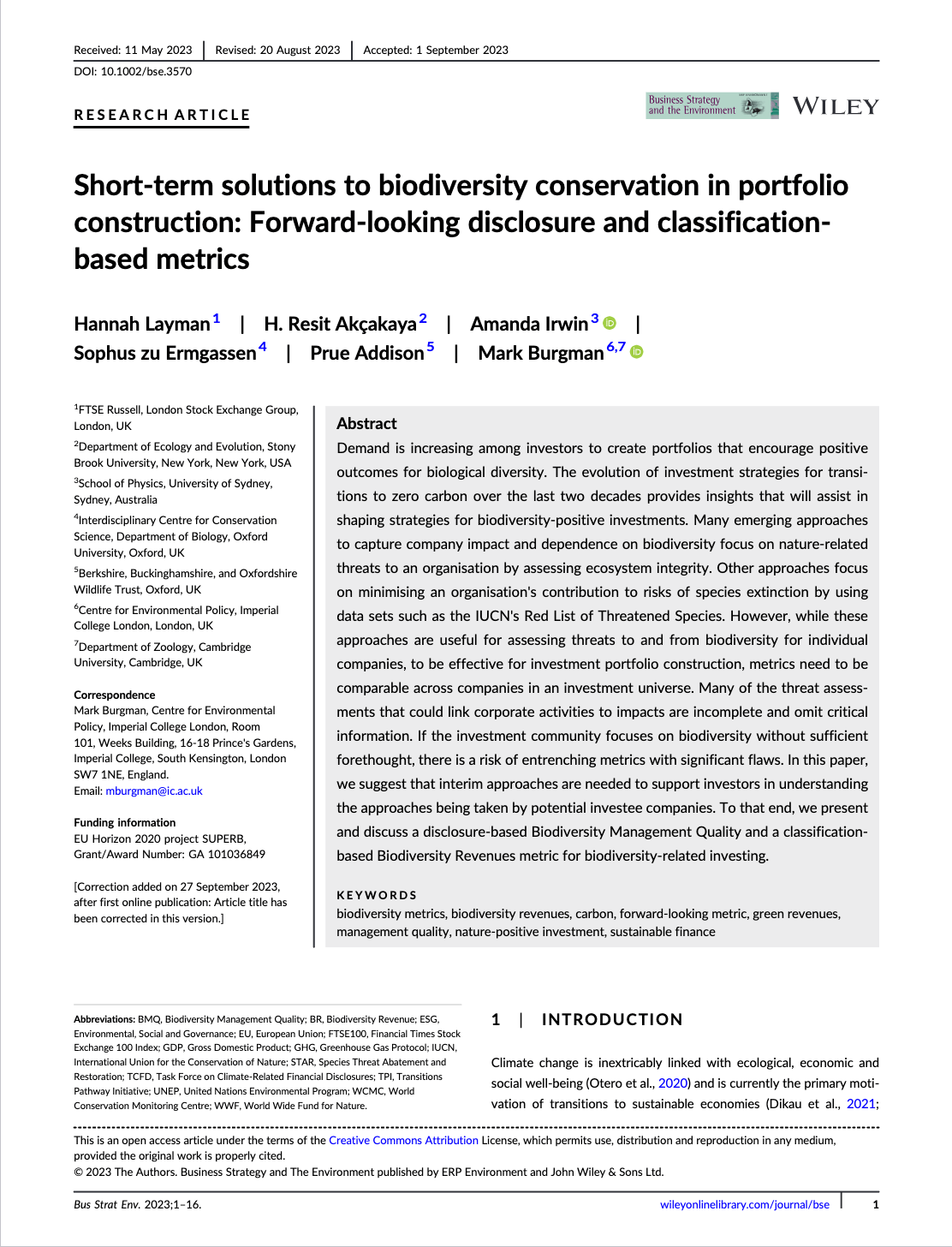
Short-term solutions to biodiversity conservation in portfolio construction: Forward-looking disclosure and classification-based metrics biodiversity conservation in portfolio construction
There is increasing demand among investors to build portfolios that promote positive outcomes for biodiversity. The evolution of investment strategies…