

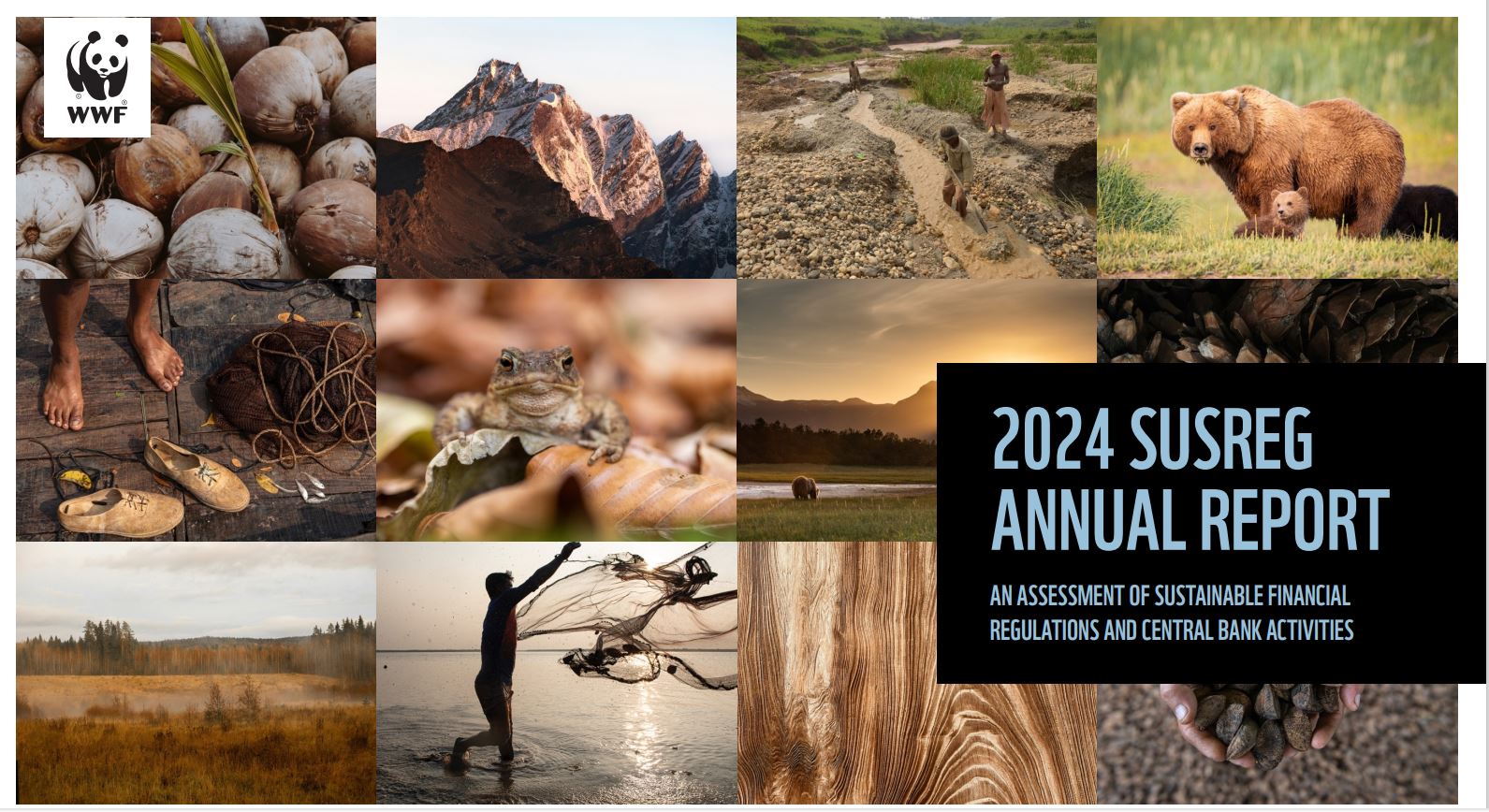
2024 Susreg Annual Report. An assessment sustainable financial regulations and central banks activities
Detalles
The 2024 edition of WWF's Sustainable Financial Regulations and Central Bank Activities (SUSREG) Tracker shows that banking and insurance supervision on climate-related issues has made steady progress over the past four years. However, efforts to address broader environmental problems, such as nature loss, remain insufficient, and their integration into monetary policy and central bank activities is progressing very slowly.
In particular, deforestation, land conversion, freshwater management, and ocean and marine habitats remain largely neglected in most regulatory frameworks, despite being critical to effective climate action.
With the launch of its SUSREG 2024 assessment, WWF's Green Financial Regulation Initiative (GFRi) urges the financial regulatory sector to take swifter collective action in the face of increasing nature loss that could trigger irreversible "tipping points".
On the other hand, banking and insurance supervisory authorities are making progress in managing the financial risks posed by climate change: supervisory measures increased by 18% and 17%, respectively, between 2021 and 2024.
A growing number of supervisors and regulators are also requiring financial institutions to disclose their climate targets and transition plans, in alignment with the Paris Agreement. Financial supervisors such as the European Central Bank also set strict deadlines, requiring financial institutions to fully align with their supervisory expectations on climate and environmental (C&E)-related risks by the end of 2024.
However, in most jurisdictions, central bank and monetary policy tools do not yet incorporate climate risks, let alone environmental risks. Some central banks, including the Bank of England, the Bank of France, the Monetary Authority of Singapore, and the Bank of Slovenia, have begun to remove harmful assets from their investments in companies whose economic activities contribute significantly to climate change, including exposures to coal and fossil fuels.
Recursos relacionados
Nature in Net-Zero Transition Plans
This consultation paper from the Glasgow Financial Alliance for Net Zero (GFANZ) contains a proposal for voluntary and complementary guidance…
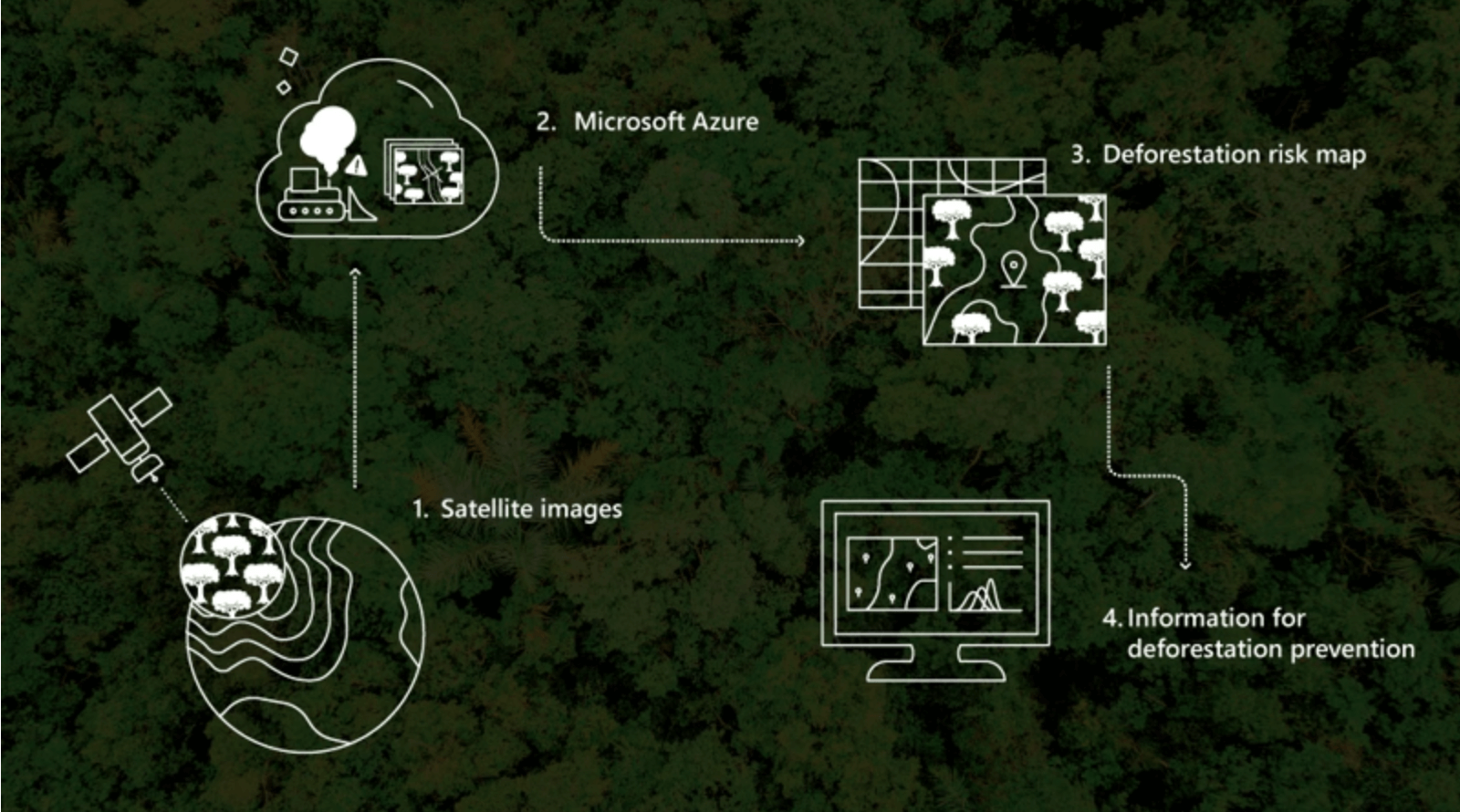
PrevisIA: nueva herramienta de inteligencia artificial que puede identificar las zonas forestales más amenazadas por la deforestación
El Instituto Amazónico del Hombre y el Medio Ambiente (Imazon), Microsoft y Fundo Vale han desarrollado conjuntamente PrevisIA, una innovadora…
Report on data availability and feasibility of common methodology for ESG exposures
The report explores the current practices of institutions and identifies current challenges in standardising the identification and classification of ESG…