

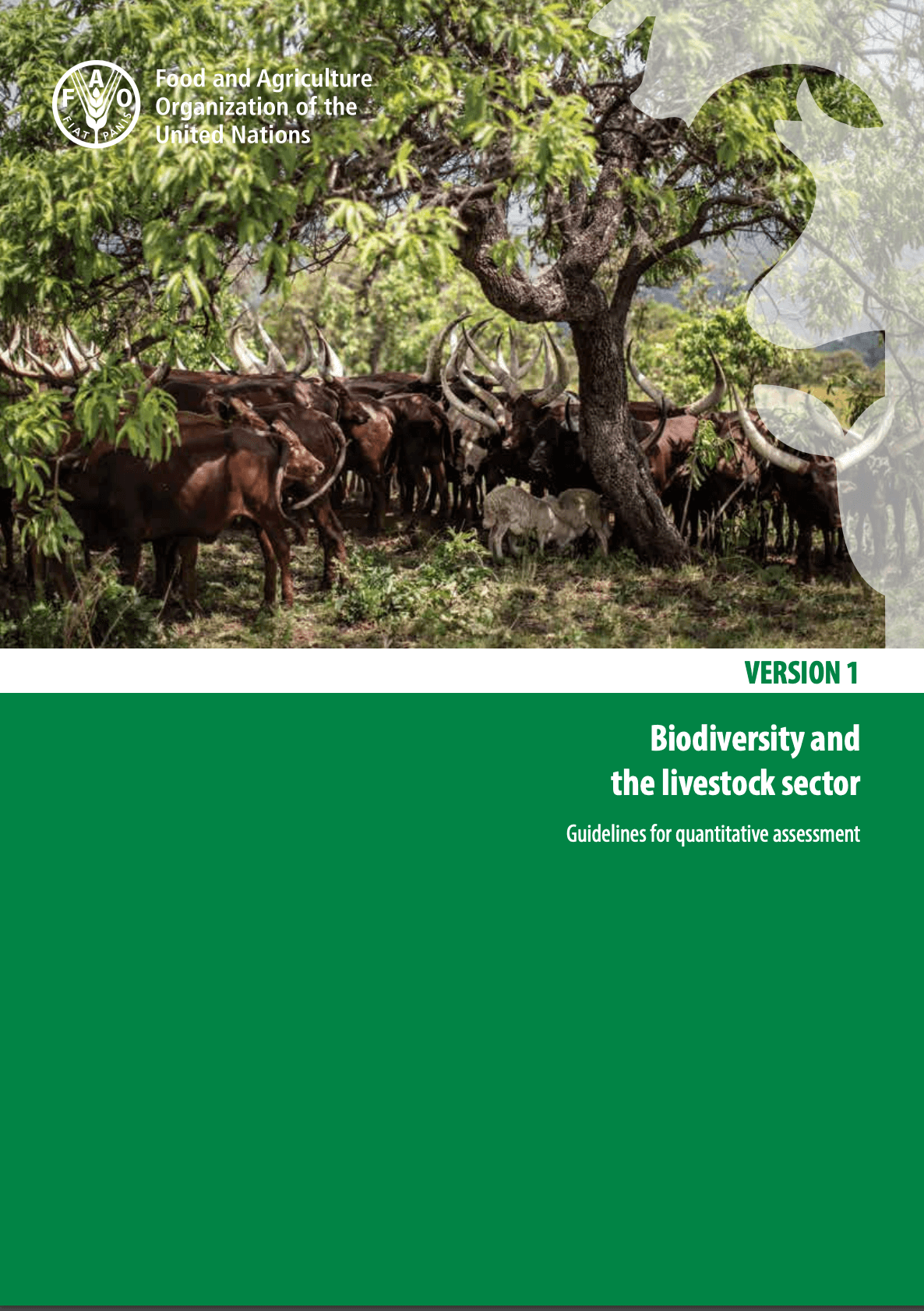
Detalles
| The aim of the methodology developed in these guidelines is to introduce a harmonised international approach to assessing the impacts of livestock farming on biodiversity. The livestock sector is one of the main users of natural resources (especially land) and a major contributor to pollution (e.g. causing nutrient losses, increasing greenhouse gases), making it one of the sectors with the greatest impact on biodiversity. At the same time, livestock farming is one of the few sectors that not only has a negative impact on biodiversity, but also a positive one, so it can act on two levers to improve and maximise profits. |
Recursos relacionados
From disclosure to action: CSRD and science-based targets for nature
The article describes how by complementing the Corporate Sustainability Reporting Directive (CSRD) and science-based targets (SBTs), companies can actively address…
Changing the rules of the game. Reforming targets, regulations and incentives to promote Nature Positive outcomes
In the reflection paper Changing the rules of the game. Reforming targets, regulations and incentives to promote Nature Positive outcomes,…
CSRD. Implications for companies outside the EU
With an ongoing shift towards mandatory sustainability reporting, GRI is supporting global policymakers with an initial set of three new…