


Detalles
| BloombergNEF has published a timely series of case studies, in consultation with the TNFD, showing how environmental risks have materialized into significant financial consequences for leading companies in various sectors and geographies over the past two decades. The BloombergNEF study highlights the financial consequences, often in the billions of dollars and often materializing suddenly, as a result of physical and transition risks associated with accelerating biodiversity loss, the organization's nature-related impacts such as pollution, and/or nature-related events, such as forest fires. Share prices have taken a hit, senior executives have been relieved of their positions, brand values and customer loyalty have been hurt by litigation, credit ratings have been downgraded and assets have been decommissioned. These case studies offer important insights for boards, management teams, credit providers, insurers, and investors, all of whom can be trapped by a lack of attention to the environmental risks that now affect cash flows, balance sheets, and investment and credit portfolios. |
Recursos relacionados
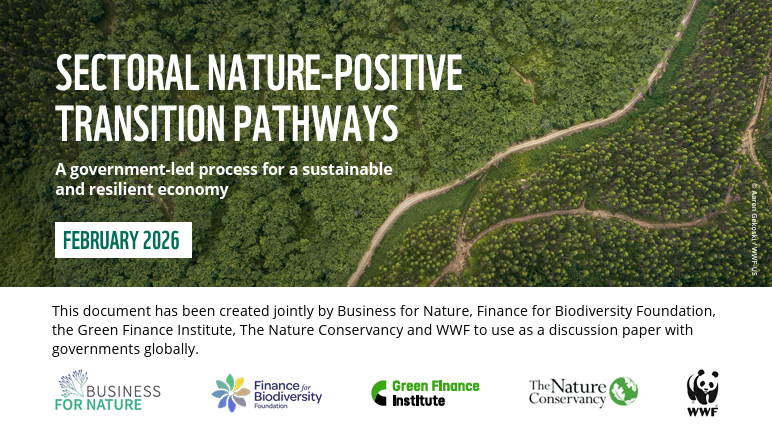
2026
Sectoral Nature-Positive Transition Pathways – Finance for Biodiversity
Este documento explora cómo distintos sectores económicos pueden avanzar hacia una transición positiva en naturaleza, identificando vías sectoriales para reducir…
WWF Risk Filter Suite
Understanding nature-related risks is the first step to taking meaningful action that reduces those risks and contributes to a more…
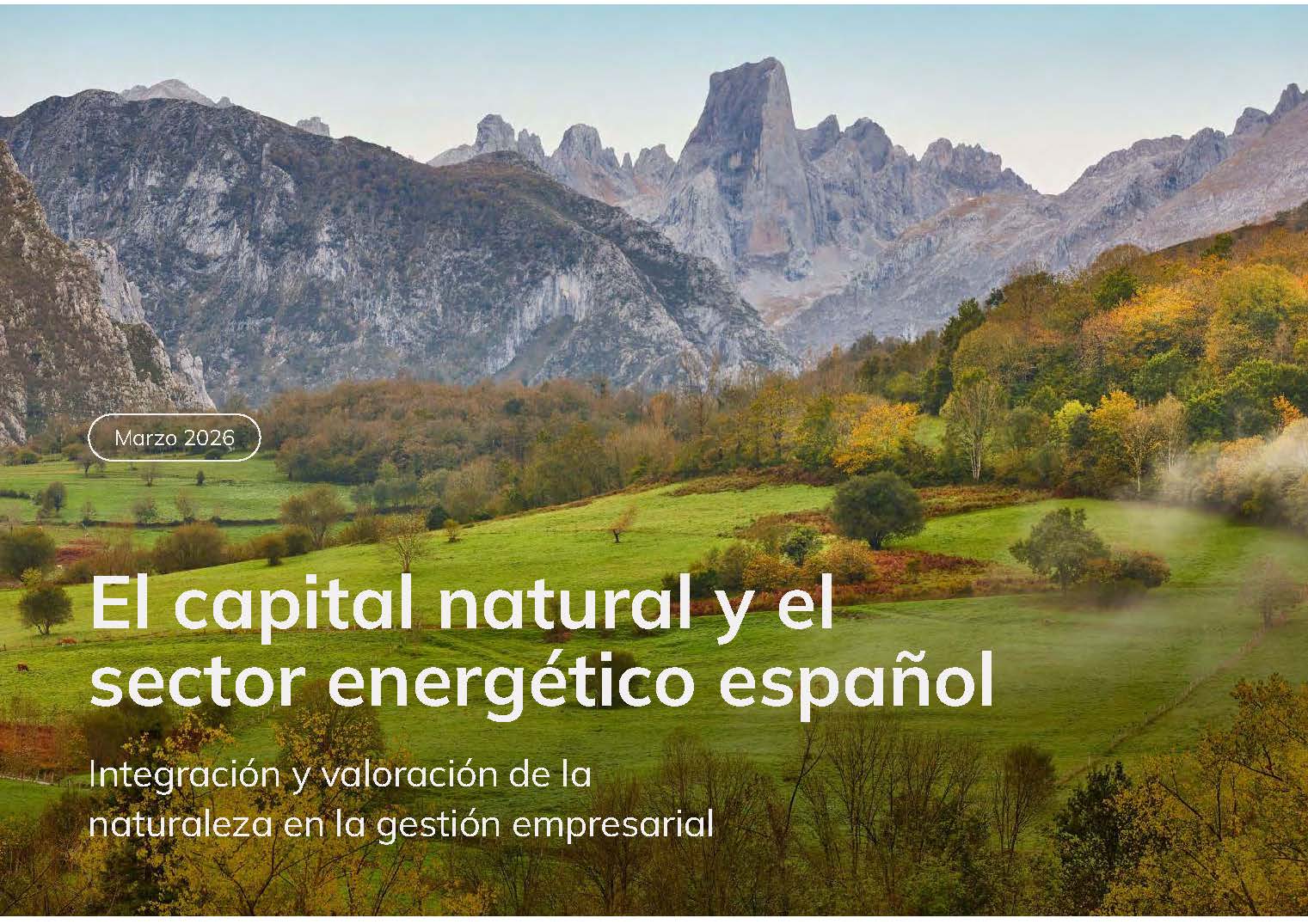
2026
El capital natural y el sector energético español
El objetivo del informe es ofrecer un marco metodológico común para que el sector energético integre los servicios ecosistémicos en…