

The role of true cost accounting in guiding agrifood businesses and investments towards sustainability
Detalles
The current economic system, and in particular the way we fail to measure, value and report on the impact of food products and their consumption, is primarily responsible for today's unsustainable and unequal food systems. It mismatches incentives, neglects critical components in the distribution of economic value, and makes negative externalities economically invisible. Part of the launch of SOFA 2023 is the reference document The role of real cost accounting in guiding agri-food companies and investments towards sustainability, prepared by TMG. The paper describes how True Cost Accounting (TCA) and lessons learned from its application in the private and financial sectors can inform efforts to develop a sound economic foundation for sustainability. TCA enables the private sector to manage and account for the hidden costs of business operations and investments and the associated risks. It is a tool to measure and report on impacts on nature, people, the economy and society in financial terms, thus enabling integration into economic decision-making. |
Recursos relacionados
TNFD sector guidance – Fishing
This sectoral guide aims to help organizations with business models and/or value chains in the fisheries sector to apply the…
Forests and Natura 2000. Good Practice Database
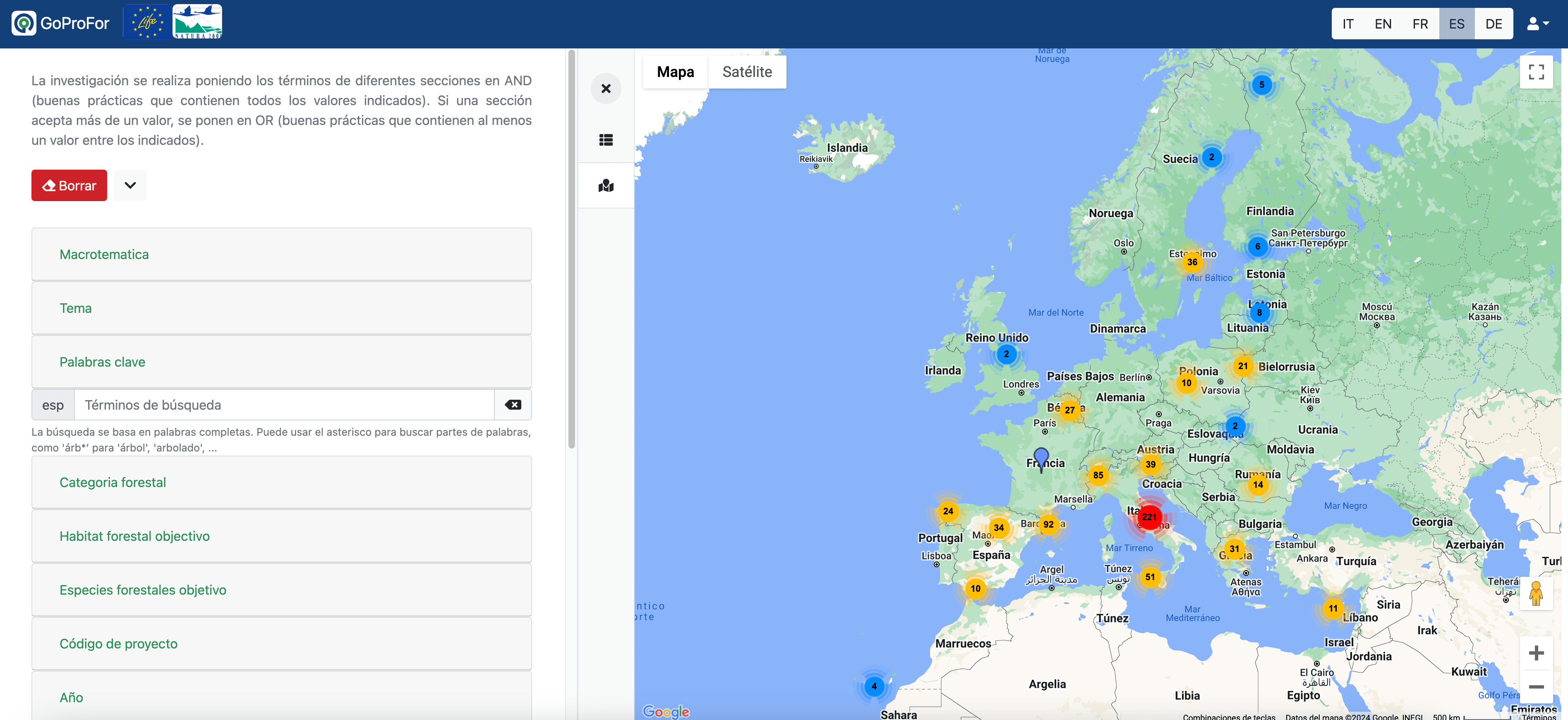
The GoProFor project database is an online tool for consulting good practices in the forestry field, derived from the experience…