

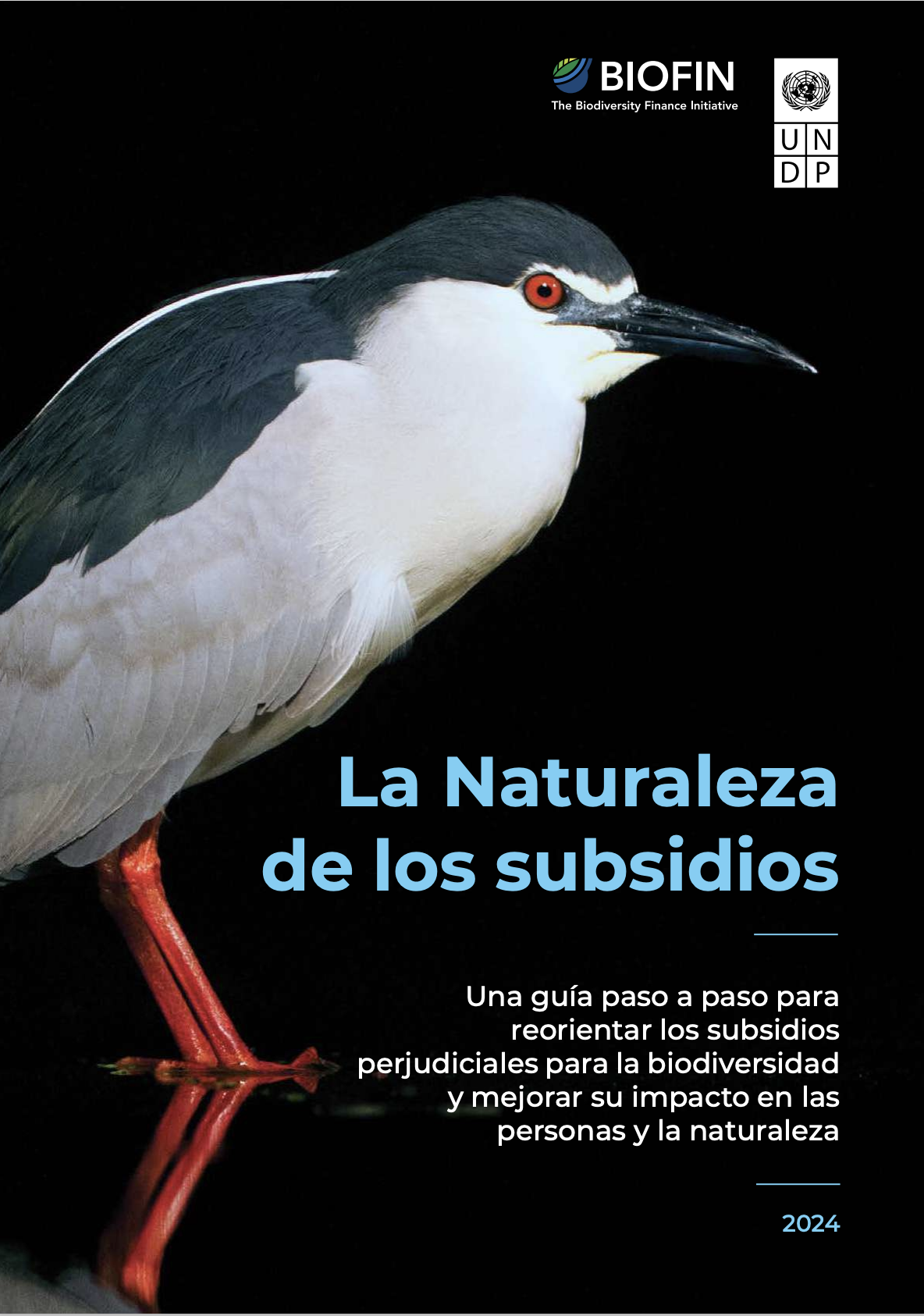
The nature of the subsidies. A step-by-step guide to reorienting harmful subsidies for biodiversity and improving their impact on people and nature
Detalles
| The publication of the guide The Nature of Subsidies - A step-by-step guide to repurpose subsidies harmful to biodiversity and improve their impacts on people and nature, by The Biodiversity Finance Initiative (BIOFIN) of the United Nations Development Programme (UNDP), It marks a pivotal moment in the search for a sustainable and resilient future. The guidelines highlight the urgency of reimagining subsidies to have a positive impact on nature, society and fiscal responsibility, and offer a step-by-step approach to help countries achieve this. At a time when nearly one million species are on the brink of extinction due to human activities, the guidelines underscore the inextricable link between economic systems and ecosystem health. As the Amazon rainforest, coral reefs, and boreal forests teeter toward irreversible tipping points, the guidelines call for a paradigm shift that reverses environmental degradation while supporting sustainable livelihoods for communities. In the midst of the global call to action, the guidelines uncover a sobering reality: the adverse environmental consequences of subsidies often remain hidden or not assessed, even though we know that many of them have strong negative impacts on nature. For example, the agricultural sector receives approximately $500 billion in potentially harmful aid, which perpetuates habitat destruction and soil degradation. Similarly, subsidies in the fisheries sector, ranging from USD 7 billion to USD 35 billion annually, exacerbate pollution and overexploitation of marine resources. The guideline introduces a comprehensive framework to address this urgent challenge. Through a step-by-step approach, governments, businesses, and policymakers can assess, redirect, and monitor subsidies to achieve positive outcomes for biodiversity. The steps outlined, corroborated by case studies from several countries, include: - Identification and evaluation: Identify and thoroughly evaluate subsidies and public aid that may have harmful effects on nature. The report encourages quantifying the extent of the negative impact and the cost of the grant where possible. - Multidimensional redesign options: Define multiple redesign options through a multidimensional analysis that comprehensively considers social, gender equality, environmental, economic, and political economy concerns throughout the redesign and transition process. - Formulation of action plans: Develop action plans to redesign priority grants, outlining multiple scenarios. These action plans provide a structured framework for transforming harmful subsidies and enhancing positive attributes aligned with all the Sustainable Development Goals (SDGs). |
Recursos relacionados
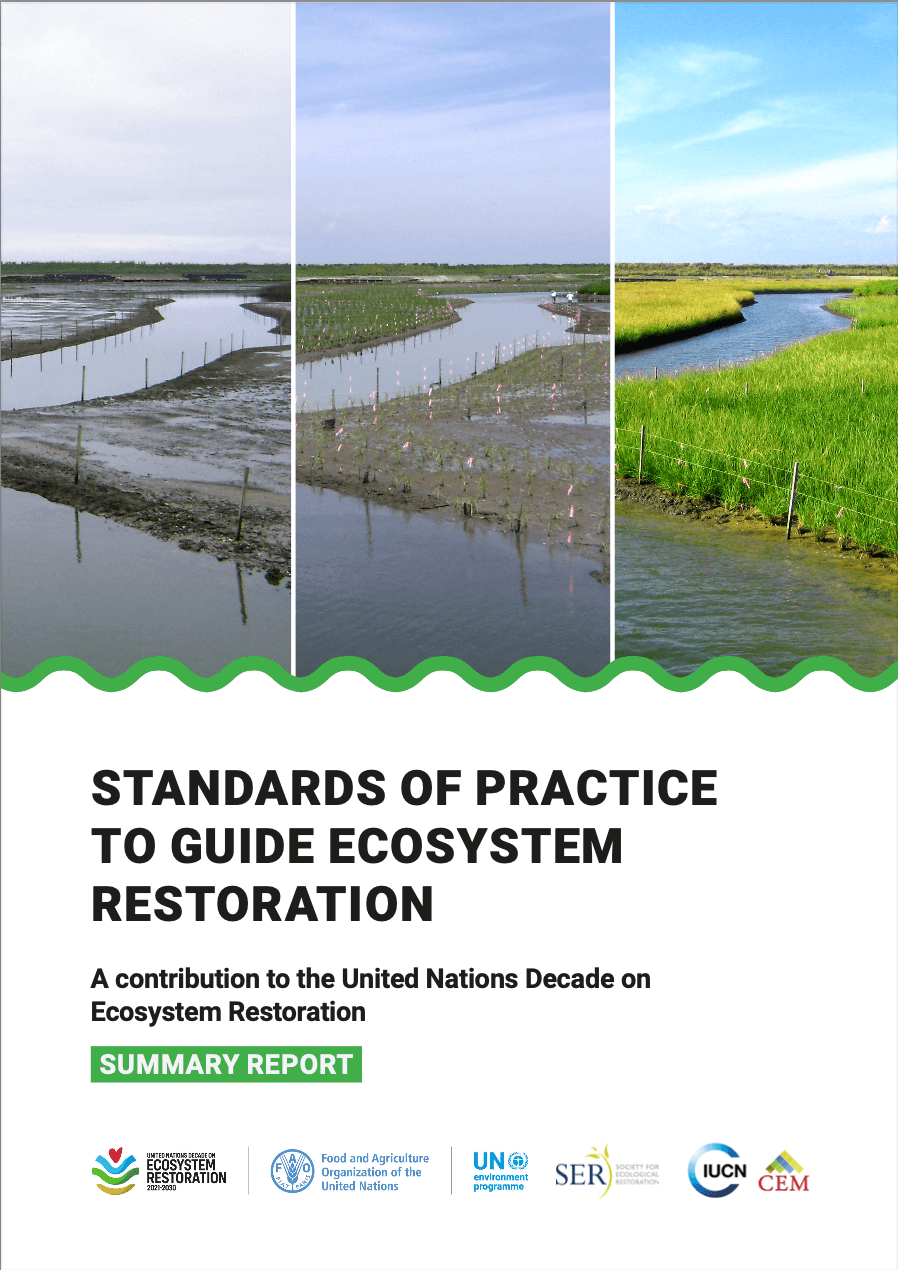
Standards of practice to guide ecosystem restoration
The United Nations Decade on Ecosystem Restoration 2021-2030 (hereinafter referred to as the "United Nations Decade") recognizes the critical need…
Sustainable and Responsible Investment in Spain
Spainsif has published a report on market studies and Sustainable and Responsible Investment (SRI) in Spain. The main innovation of…