

Detalles
| Until recently, financial and commercial actors could ignore the impact of their activities on ecosystems. They were considered an externality available for the most part at no cost. Although efforts have been made for nature and its services if the cost of damage to nature were to be incorporated into financial calculations of risks and benefits, this exercise has been largely academic. This has changed radically in recent years. The cost of ignoring natural risk is growing apace, as is the demand from consumers and governments for a world in which all financial activities are equitable and nature-positive. And luckily, the pieces that could allow this to happen are being put in place quickly, as evidenced by the September 2023 publication of the Nature Disclosure Task Force (TNFD) Framework. It is no longer a question of whether nature, like the climate before it, will become an element in financial decision-making, but of how quickly this can happen. This article discusses the different facets of the emerging field of nature finance, points to the latest developments and argues that, much faster than in the case of climate finance, nature finance is becoming an important topic in both the commercial and financial worlds. |
Recursos relacionados
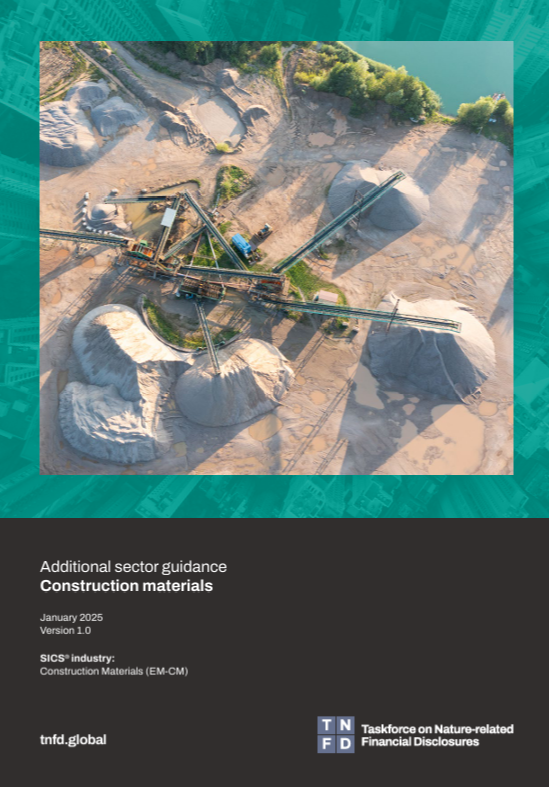
Additional sector guidance – Construction materials
This document provides additional guidance specific to the building materials industry. This covers: The assessment of nature-related issues using the…
WWF Wood Risk Tool
The WWF Wood Risk Tool is a reliable, up-to-date and practical source of information on the significant risks associated with…
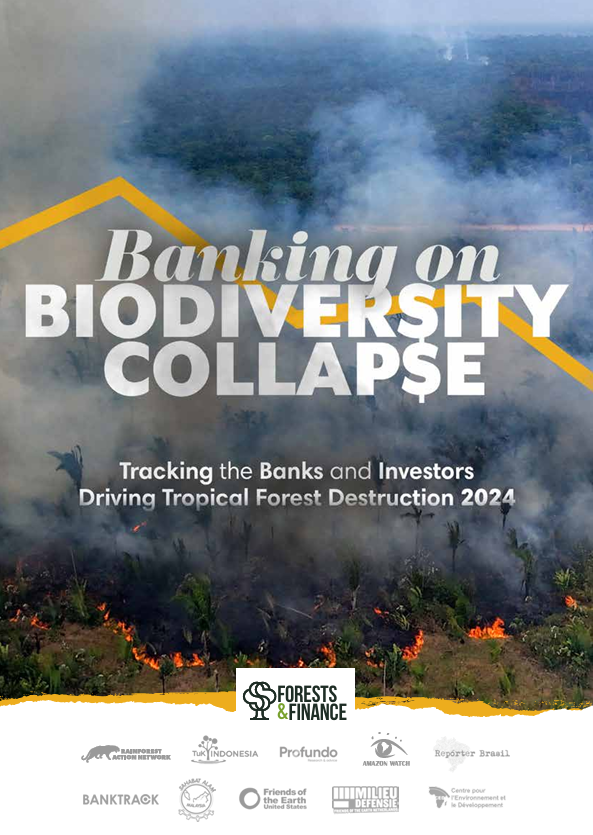
2024
Banking on Biodiversity Collapse – Tracking the Banks and Investors Driving Tropical Forest Destruction 2024
Este informe ofrece una visión actualizada sobre cómo las dinámicas financieras globales se relacionan con la pérdida de biodiversidad en…