

Detalles
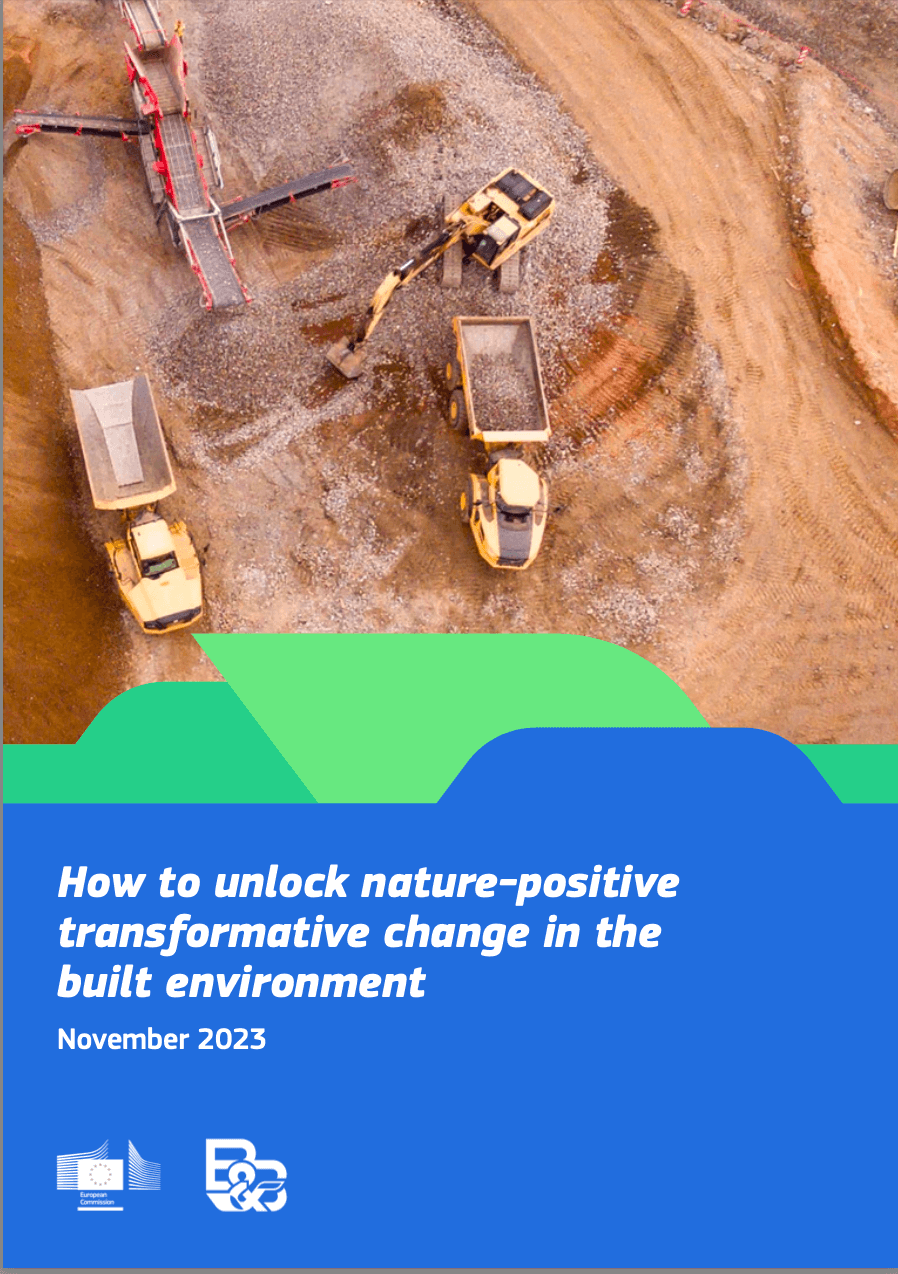
The built environment contributes to biodiversity loss, particularly through changes in land use, alterations to the water cycle, unsustainable supply of a wide range of building materials, pollution, and contributions to climate change. Recognizing these impacts, leading companies and financiers have begun to incorporate nature-positive principles into their operations, business models, and corporate engagement strategies. However, there are still many obstacles and challenges related to technology, governance, financing and policy issues for these to reach their potential and contribute to the nature-positive goal at scale. Solving these key challenges requires collective action involving business, finance, and policy. |
Recursos relacionados
Responsible supply chains: A key tool for halting deforestation
Responsible and sustainable supply chains play a crucial role in combating deforestation and forest degradation, protecting biodiversity and mitigating climate…
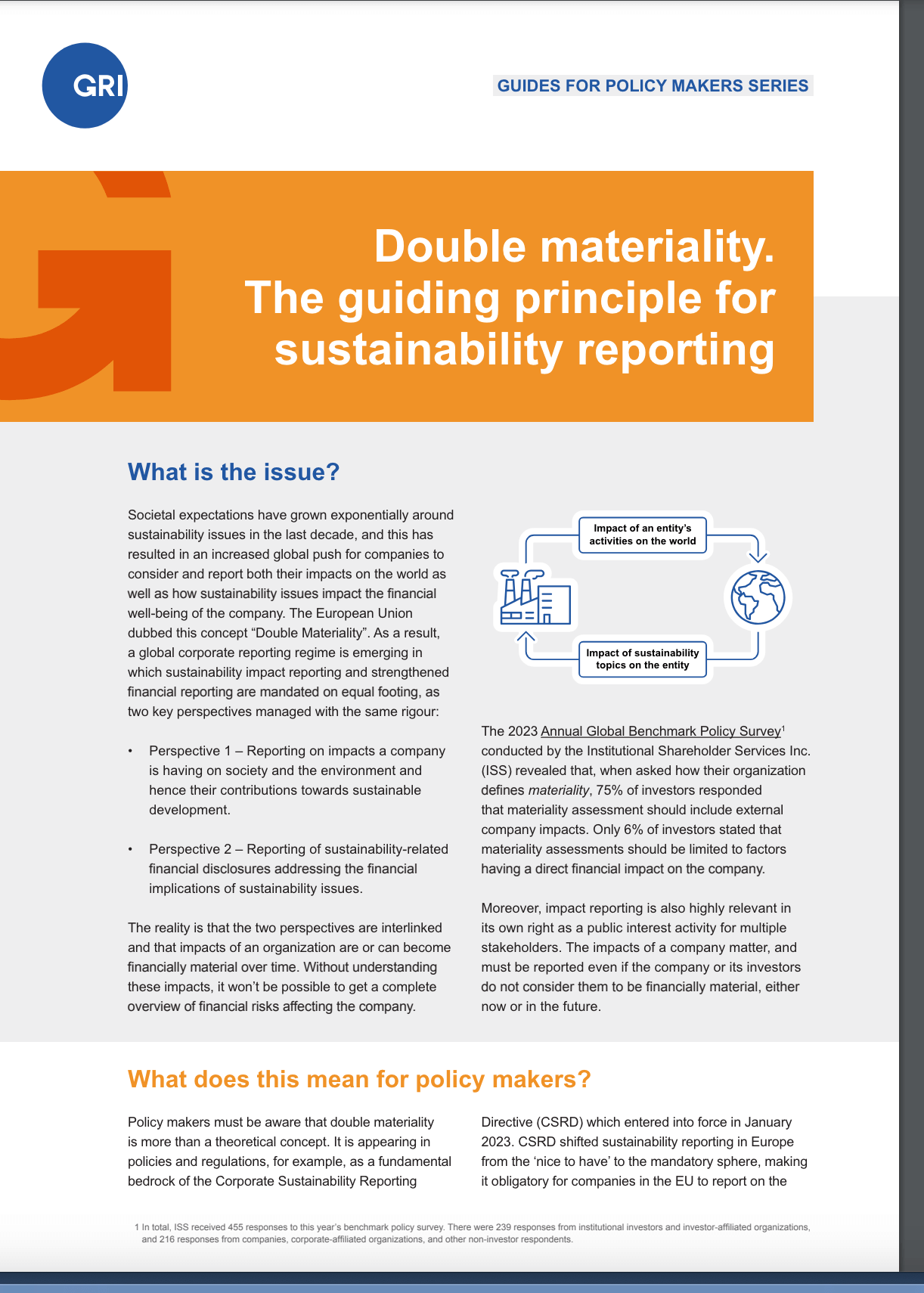
Double materiality. The guiding principle for sustainability reporting
With an ongoing shift towards mandatory sustainability reporting, GRI is supporting global policymakers with an initial set of three new…

Just a transition to a circular economy
El informe analiza cómo la transición hacia una economía circular no solo debe centrarse en reducir residuos o mejorar la…