Detalles
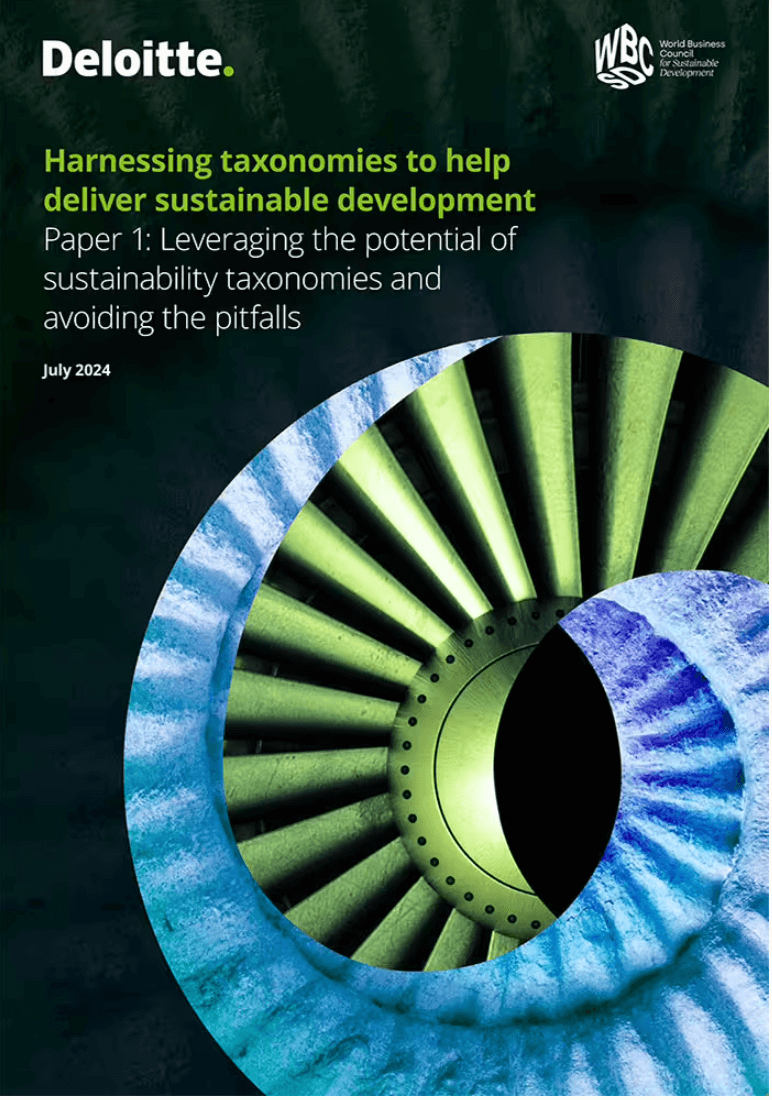
| Sustainability taxonomies are becoming central to the regulatory landscape, defining and classifying sustainable economic activities. Properly leveraging these frameworks is crucial for companies to align with government sustainable development priorities and attract capital. In response to the growing need for companies to understand and align with taxonomies, the WBCSD, in collaboration with Deloitte, is releasing the first paper in the "Harnessing Sustainability Taxonomies" series. This comprehensive report addresses the proliferation of more than 50 global sustainability taxonomies, exploring their development, implementation challenges, and potential improvements. Despite the complexity and fragmentation of today's landscape, most taxonomies share common components: scope, goals, eligibility, and clear performance criteria. Understanding these elements is essential for companies to align their operations with regulatory expectations, increase market confidence, and engage with capital markets when it comes to their sustainability performance. The main conclusions of the document are as follows: - Creation and evolution: Most sustainability taxonomies are relatively new: many are less than 24 months old or still in development. - Mandatory change: A trend towards mandatory sustainability taxonomies is emerging, affecting economic activities around the world. - Economic and social importance: These taxonomies influence significant portions of global GDP and increasingly incorporate social objectives alongside environmental ones. - The aim is to contribute to the ongoing development and successful implementation of sustainability taxonomies, fostering collaboration between different stakeholders. In this way, it is necessary to support the transition to sustainable market economies by providing valuable knowledge and practical actions for companies to adjust to the frameworks of sustainability taxonomies. |
Recursos relacionados
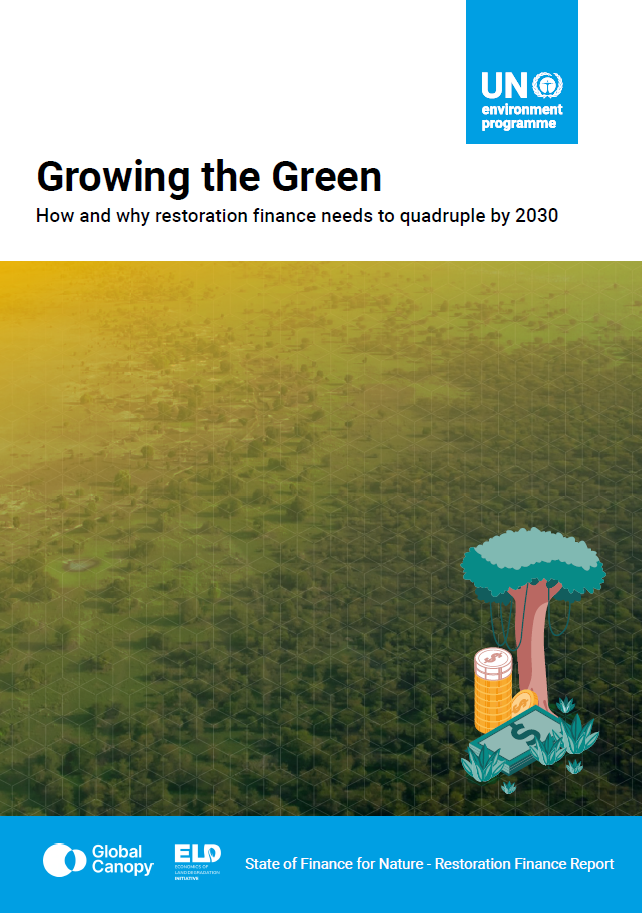
Growing the Green: How and why restoration finance needs to quadruple by 2030 – State of Finance for Nature – Restoration Finance Report
To support the implementation of the UN Decade on Ecosystem Restoration, this report focuses on financial flows and investment needs…
Challenges in the implementation of regenerative agriculture practices
This event highlights a crucial agricultural shift that aims to revolutionize the way we produce food while improving sustainability and…