

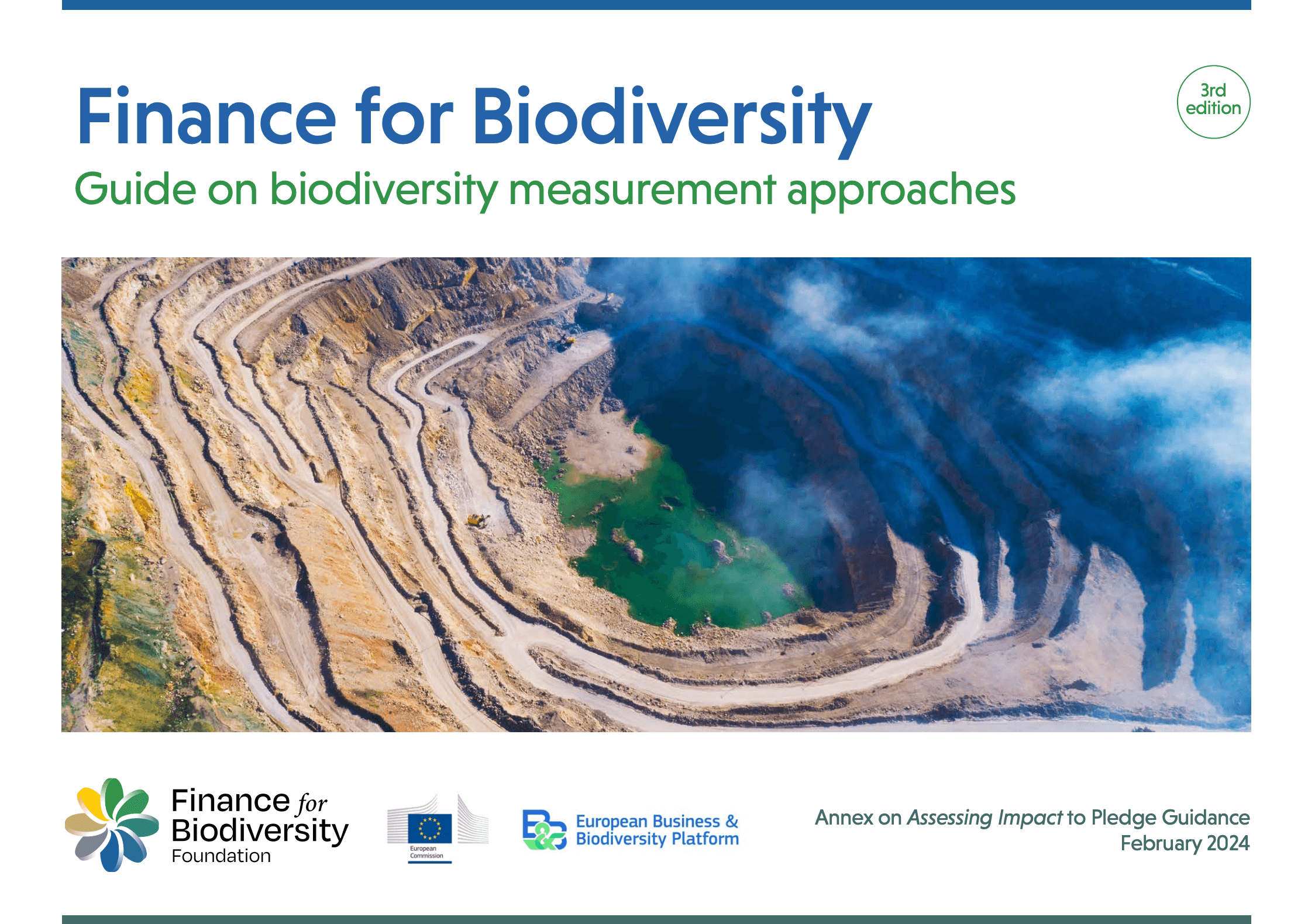
Detalles
| Now in its third edition, this Finance for Biodiversity Foundation toolkit includes: - Two new tools: Nature and Biodiversity Metrics (MSCI) and Biodiversity Impact Assessment Tool (ISS ESG). - Recategorization of tools following current frameworks, such as the TNFD LEAP approach. - Up-to-date description, details, and links of all tools, including TNFD reporting suitability. - Update of the section "Types and sources of data on biodiversity". - Overview of nine biodiversity measurement tools, classified into three distinct groups, to measure financial institutions' interactions with biodiversity: - Sectoral analysis approaches: o ENCORE - Exploring Natural Capital Opportunities, Risks and Exposure (UNEP-WCMC, UNEP-FI and NCFA). - Location selection approaches: o IBAT - Integrated Biodiversity Assessment Tool (BirdLife International, Conservation International, IUCN, UNEP-WCMC) o NBM - Nature and Biodiversity Metrics (MSCI) - Dependency and impact assessment: o BFFI - Biodiversity Footprint Financial Institutions (CREM and PRé Sustainability, together with ASN Bank) o BIAT - Biodiversity Impact Assessment Tool (ISS ESG) o BIA-GBS - Biodiversity Impact Analytics powered by the Global Biodiversity Score (Carbon4Finance and CDC Biodiversité) o CBF - Corporate Biodiversity Footprint (Iceberg Datalab and I Care Consult as a scientific partner) o GBSFI - Global Biodiversity Score for Financial Institutions (CDC Biodiversité) o GID - Global Impact Database, Biodiversity Impact Data (Impact Institute) The publication highlights the suitability of each tool for specific organizational focus areas, business applications, and asset categories, while outlining their respective strengths and limitations. In addition, it provides detailed information on the data and resource requirements of each tool, along with an overview of the scopes and pressures covered. Measuring the impact on biodiversity is an important step for financial institutions As biodiversity loss becomes an increasingly urgent challenge, financial institutions are looking for ways to quantify the impact and dependence of their financial and investment activities on biodiversity. For this reason, impact assessment is one of the five commitments of the "Finance for Biodiversity Pledge". This guide serves as an annex to the section on impact assessment of the main guidance document of the Finance for Biodiversity Commitment. The content of the guide is based on several sources. The format of the "Guide on Approaches to Biodiversity Measurement" is based on the series of reports entitled "Evaluation of Approaches to Biodiversity Measurement", developed by the working group on methods of the EU Business & Biodiversity Platform, and collects the most relevant information for financial institutions. The Finance working group, together with Finance for Biodiversity, has made the information accessible to financial institutions thanks to the way the guide is structured. |
Recursos relacionados
Road to COP16 with GRI 101 Biodiversity
This webinar is an invitation to collective action for companies and professionals to intensify their role in adopting sustainable practices…
SBTN Validation Pilot Summary Report
The Science Target Network (SBTN) published the first corporate science-based targeting methods for nature in May 2023. The first SBTN…
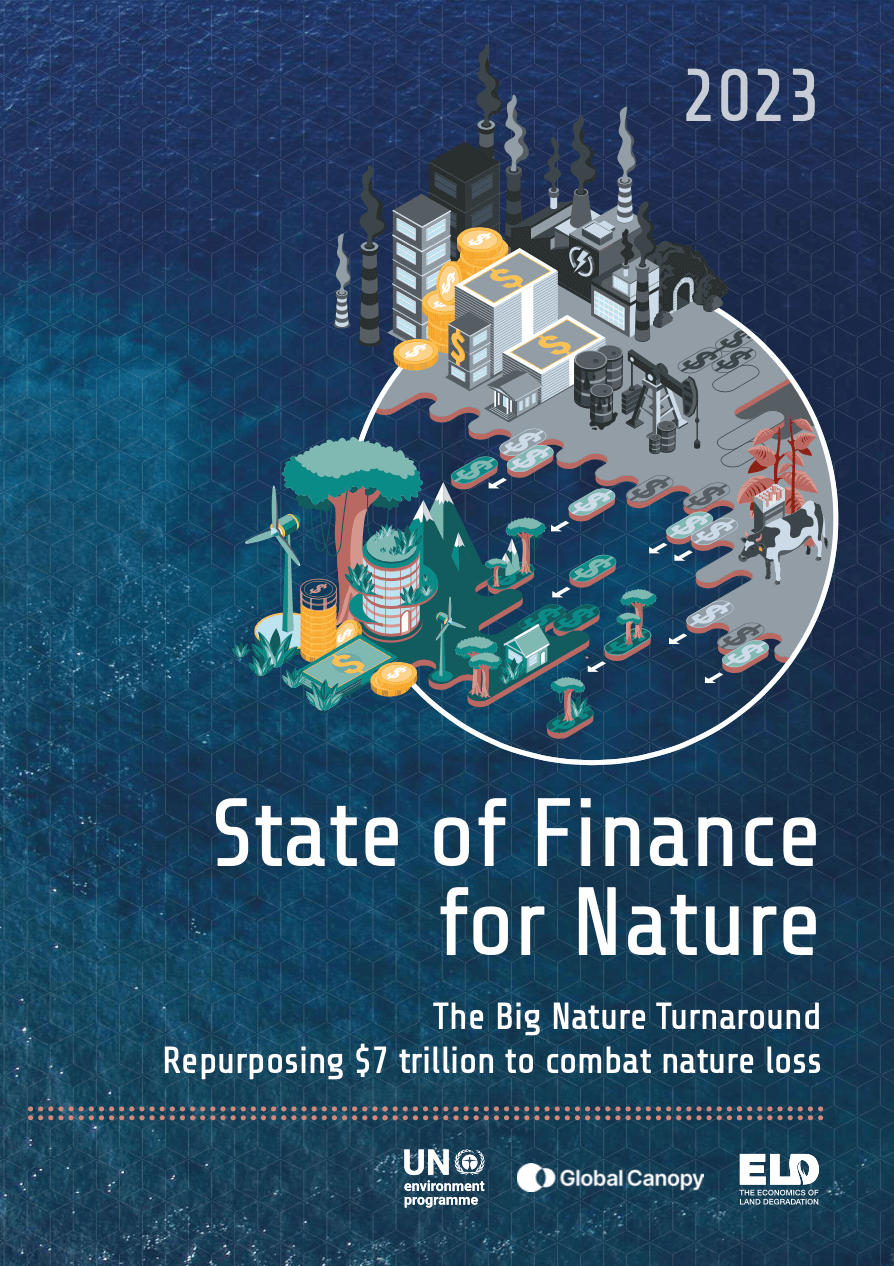
State of Finance for Nature 2023
For the first time, this edition of the report estimates the magnitude of nature-negative financial flows from both public and…