

Detalles
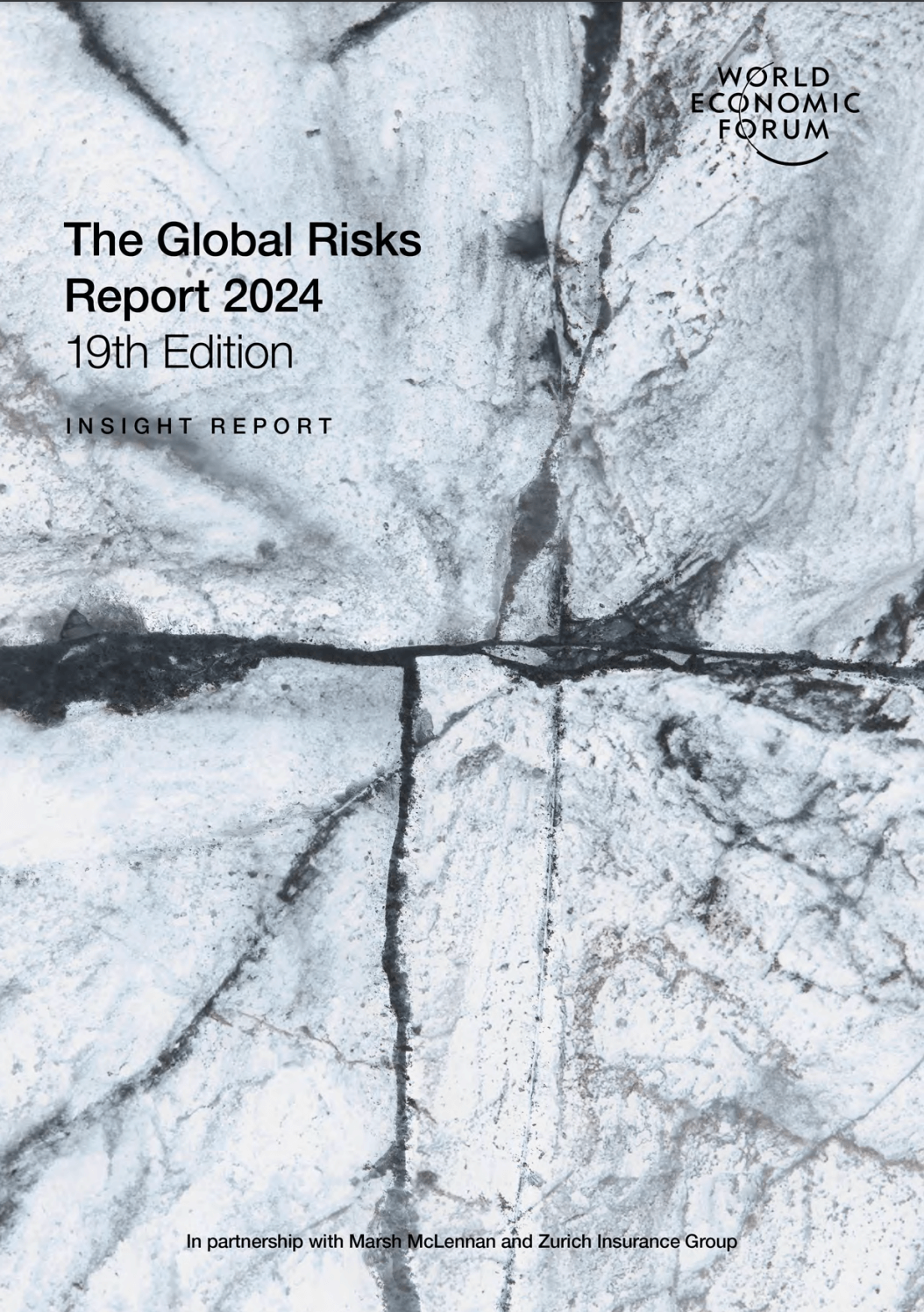
| Environmental risks continue to dominate the risk landscape across all three time periods. Two-thirds of respondents rank extreme weather as the top risk most likely to present a material crisis on a global scale in 2024, with the warming of the El Niño-Southern Oscillation (ENSO) cycle expected to intensify and persist until May this year. It is also considered the second most serious risk over a two-year period and, as in the one-year ranking, almost all environmental risks are in the top 10 in the long term. However, respondents disagree on the urgency of environmental risks, in particular, on biodiversity loss and ecosystem collapse and critical Earth systems change. Younger respondents tend to rank these risks much higher compared to older age groups over a two-year period, with both risks ranking in the top 10 in the short term. For its part, the private sector highlights these risks as the main long-term concerns, unlike respondents from civil society or governments, who prioritize them in the short term. This dissonance between key decision-makers implies suboptimal alignment and decision-making, which increases the risk of missing key moments of intervention, resulting in long-term changes in planetary systems. |
Recursos relacionados
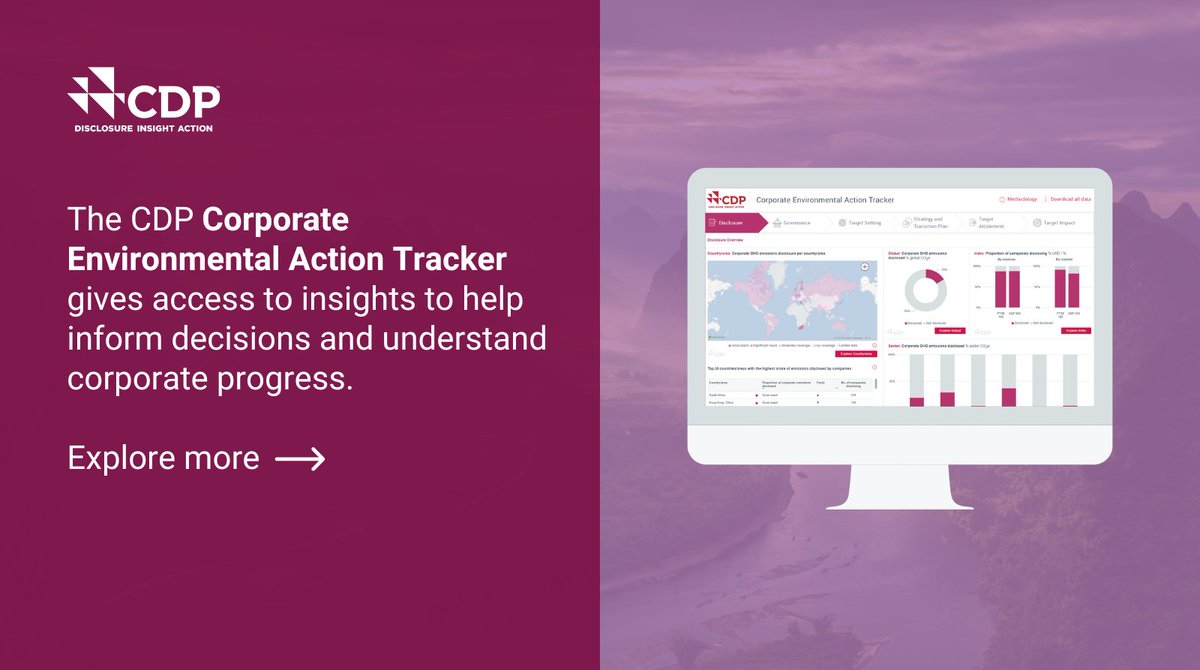
Corporate Environmental Action Tracker
The CDP Corporate Environmental Action Tracker is an interactive tool launched in 2023 that makes CDP's aggregated environmental data accessible…
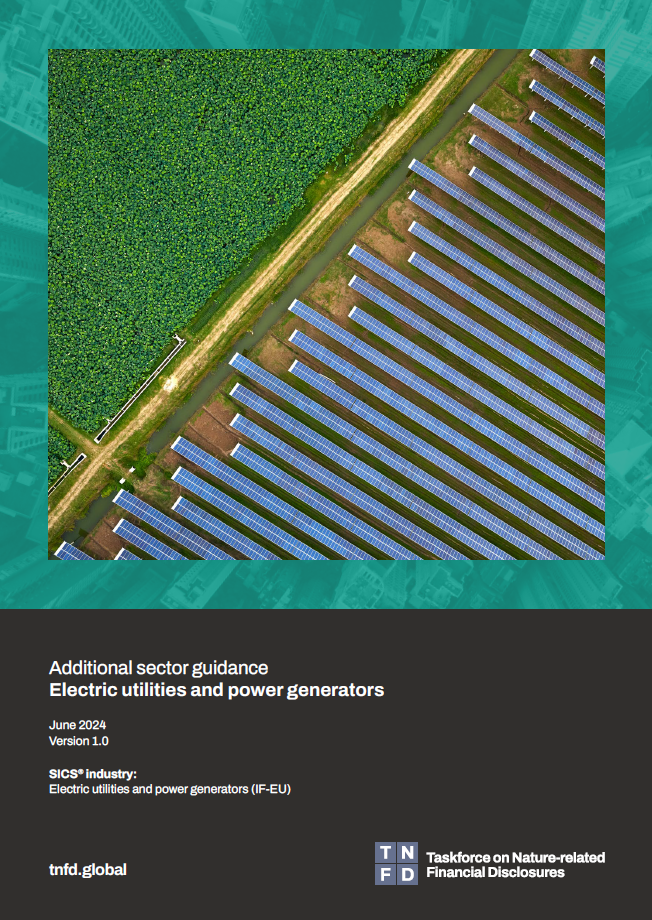
Additional sector guidance – Electric utilities and power generators
This document provides additional guidance specific to power companies and power generators. This covers: The assessment of nature-related issues using…
Carbon footprint in Spanish companies: results of the CEOE business survey
There is no doubt today that companies are fully aware and committed to the importance of addressing climate change. To…