

Detalles
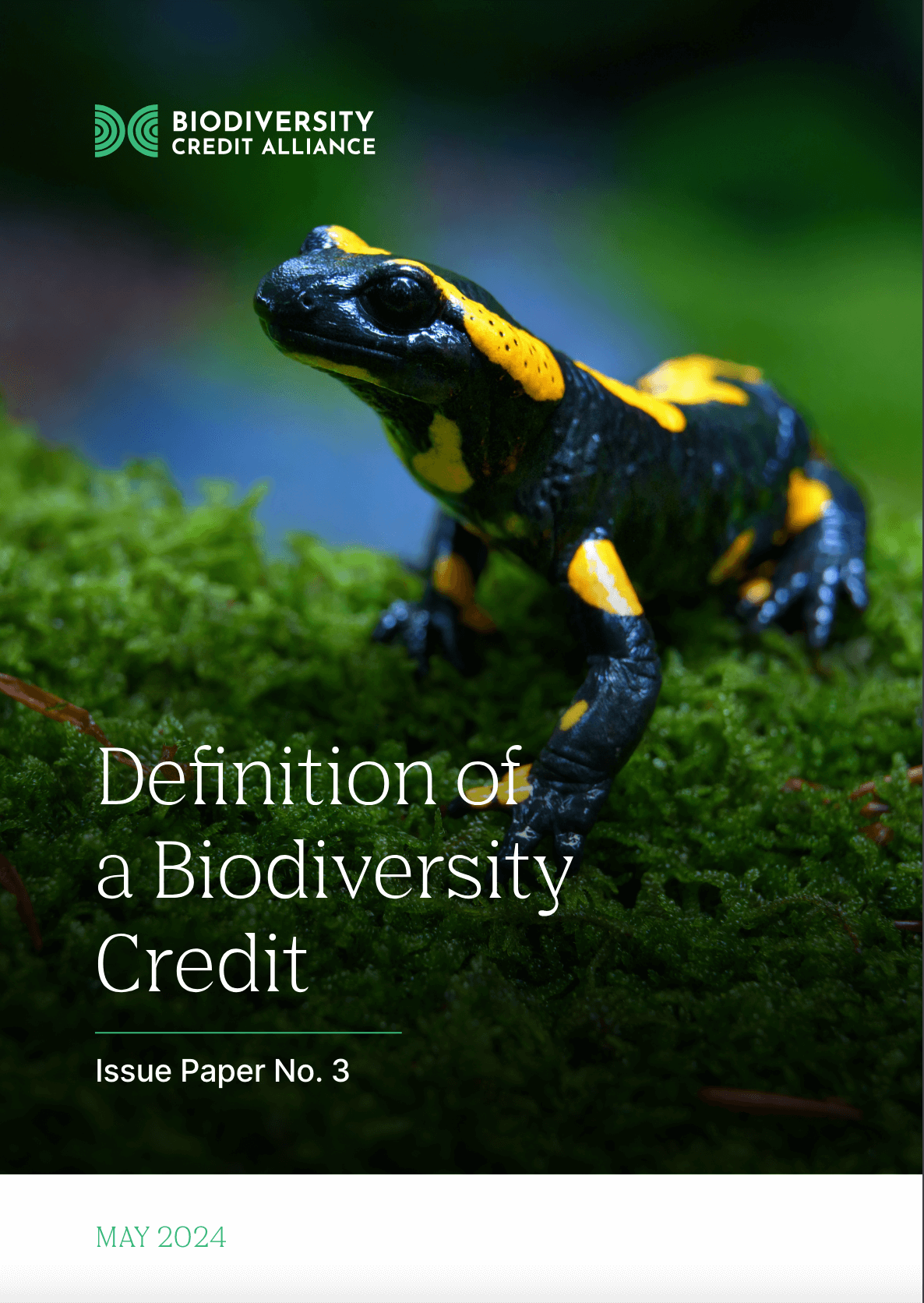
| How to define a biodiversity credit? A pertinent and relevant question, as this emerging area of nature finance may have started with the best of intentions, but has been criticised by many for failing to really help biodiversity. To avoid a false start, the Biodiversity Credit Alliance has published a paper with the aim of focusing on the types of lower-risk credits, methodologies and systems that are most likely to succeed in the early years of biodiversity accreditation. This instructive document contributes to clarifying concepts and languages that are fundamental in the process of developing an inclusive and high-integrity market in biodiversity credits, so necessary. In short, a biodiversity credit is defined as a certificate that represents a measured, evidence-based unit of a positive biodiversity outcome that is durable and in addition to what would have otherwise occurred. While buyers may want – and ecosystems may require – one or more metrics specific to or tailored to a set of projects, it is also necessary that at least some metrics and measurements are comparable across projects, as this will allow investors to understand the different claims they may make in relation to alternative investments and validation and verification bodies to understand how different accreditation methodologies work. |
Recursos relacionados
Commission steps up support for implementation of EU Regulation on deforestation and proposes 12 more months of phase-in
The Commission has published additional guidance documents and a stronger international cooperation framework to support global stakeholders, Member States and…

RENACE 2030. Keys to the Nature Restoration Law: a country strategy to be developed
The document addresses the European Union's Nature Restoration Law (LRN), highlighting its importance in reversing the ecological crisis and promoting…