

Detalles
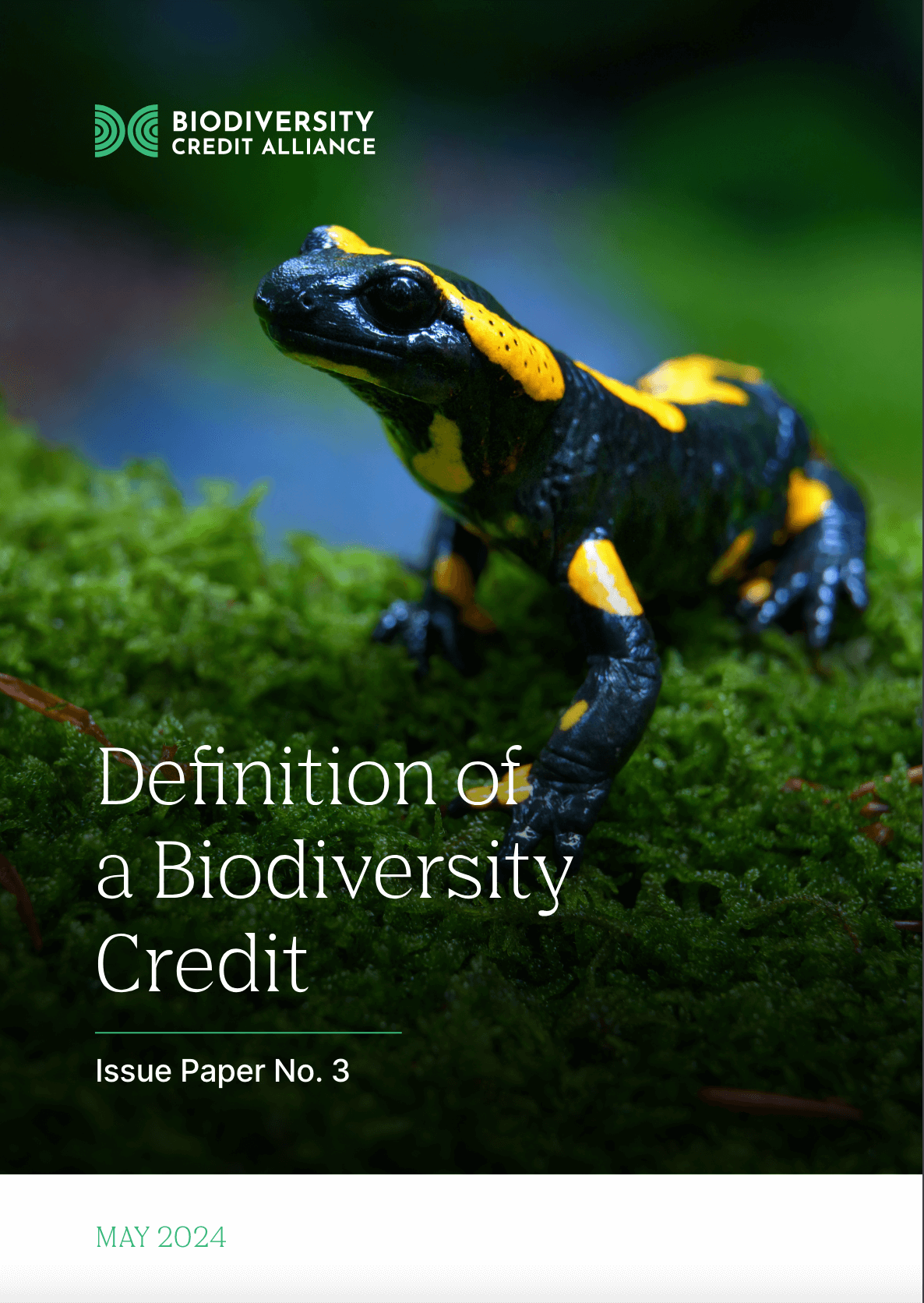
| How to define a biodiversity credit? A pertinent and relevant question, as this emerging area of nature finance may have started with the best of intentions, but has been criticised by many for failing to really help biodiversity. To avoid a false start, the Biodiversity Credit Alliance has published a paper with the aim of focusing on the types of lower-risk credits, methodologies and systems that are most likely to succeed in the early years of biodiversity accreditation. This instructive document contributes to clarifying concepts and languages that are fundamental in the process of developing an inclusive and high-integrity market in biodiversity credits, so necessary. In short, a biodiversity credit is defined as a certificate that represents a measured, evidence-based unit of a positive biodiversity outcome that is durable and in addition to what would have otherwise occurred. While buyers may want – and ecosystems may require – one or more metrics specific to or tailored to a set of projects, it is also necessary that at least some metrics and measurements are comparable across projects, as this will allow investors to understand the different claims they may make in relation to alternative investments and validation and verification bodies to understand how different accreditation methodologies work. |
Recursos relacionados

Additional sector guidance – Biotechnology and pharmaceuticals
This document provides additional guidance in the pharmaceutical and biotechnology sector. This covers: The assessment of nature-related issues using the…
Nature-related risk reporting for investors. A case study of the aquaculture sector
This study shows that it is already possible for companies in the aquaculture sector to report on factors that could…
SUMMARY OF THE EUROPEAN REGULATION TO COMBAT DEFORESTATION – EUDR
The new Regulation lays down rules on the placing on the Union market, placing on the market and exporting from…