

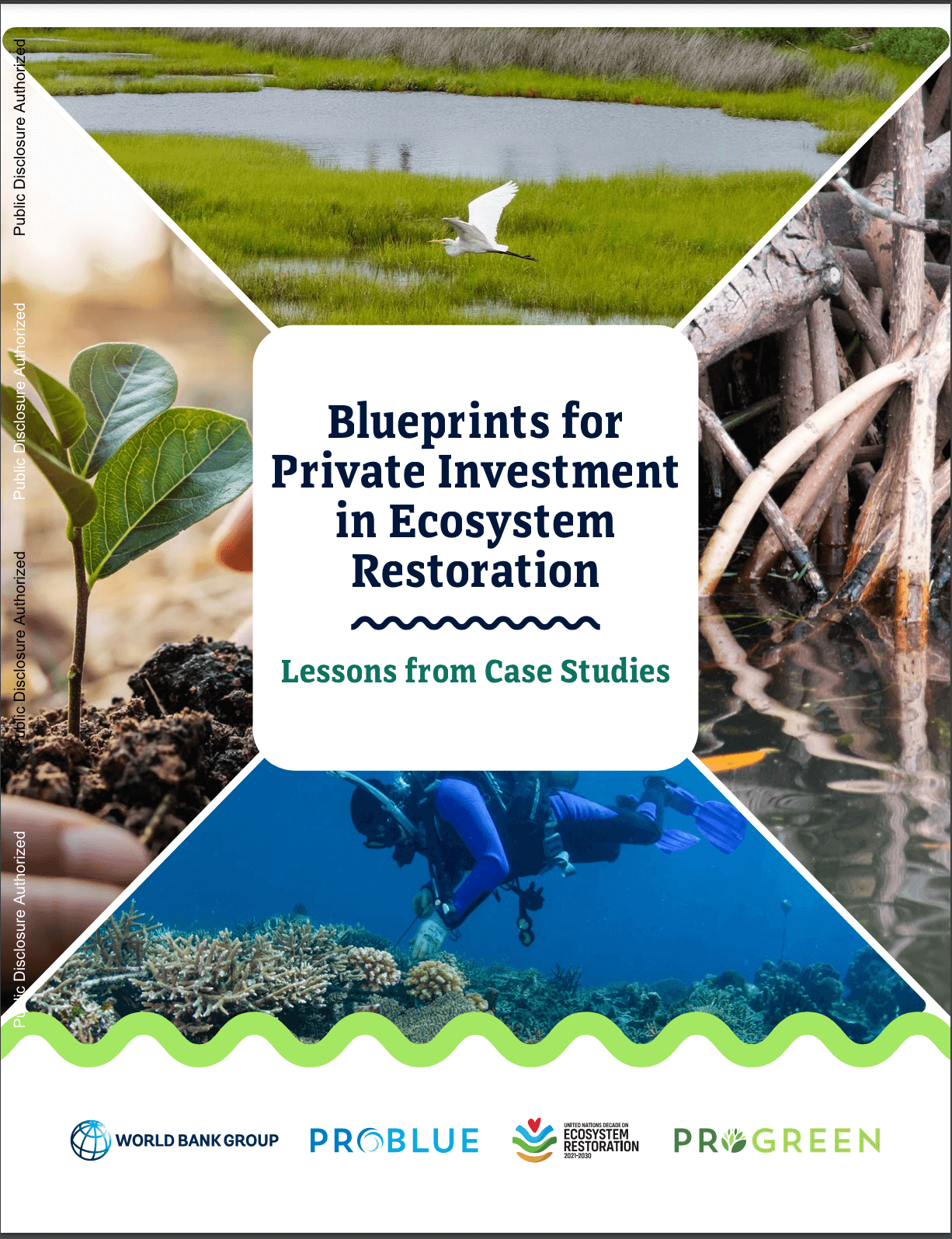
Detalles
| Ecosystem restoration is critical to achieving the global goal of halting and reversing nature loss. Enormous efforts have been made around the world to conserve the remaining tropical forests, grasslands, rivers and lakes, reefs and mangroves and other ecosystems that are critical to safeguarding biodiversity and ecosystem services on which humanity depends. However, the degree of environmental degradation is such that recovering the productivity of ecosystems where it has been lost is equally important, both for nature and for communities and economic sectors. While catering is often seen as a public sector competition, this report shows private sector investment opportunities. It aims to change the perception that restoration funding is limited to grants from national and international public sources. Based on case studies, it highlights the drivers of investment and the entry points for private financing into restoration projects. The funding models presented also point to opportunities for replication and scale-up. This report is a product of the Working Group on Financing the United Nations Decade on Ecosystem Restoration, an initiative led by the United Nations Environment Programme (UNEP) and the Food and Agriculture Organization of the United Nations (FAO). The UN Decade aims to boost the restoration of one billion hectares of degraded land by 2030. The role of the Task Force on Finance, chaired by the World Bank, is to catalyze actions that can help unlock the capital needed to achieve the goals of the United Nations Decade. |
Recursos relacionados
UNEP FI ESRS Interoperability Package
UNEP FI has launched the ESRS Interoperability Package, which helps banks take advantage of the close alignment between the Corporate…
Mainstreaming Natural Capital: Advancing the Global Agenda to Integrate Nature in Decision-Making
This paper synthesizes insights from more than three decades of work in the global debate on natural capital and offers…
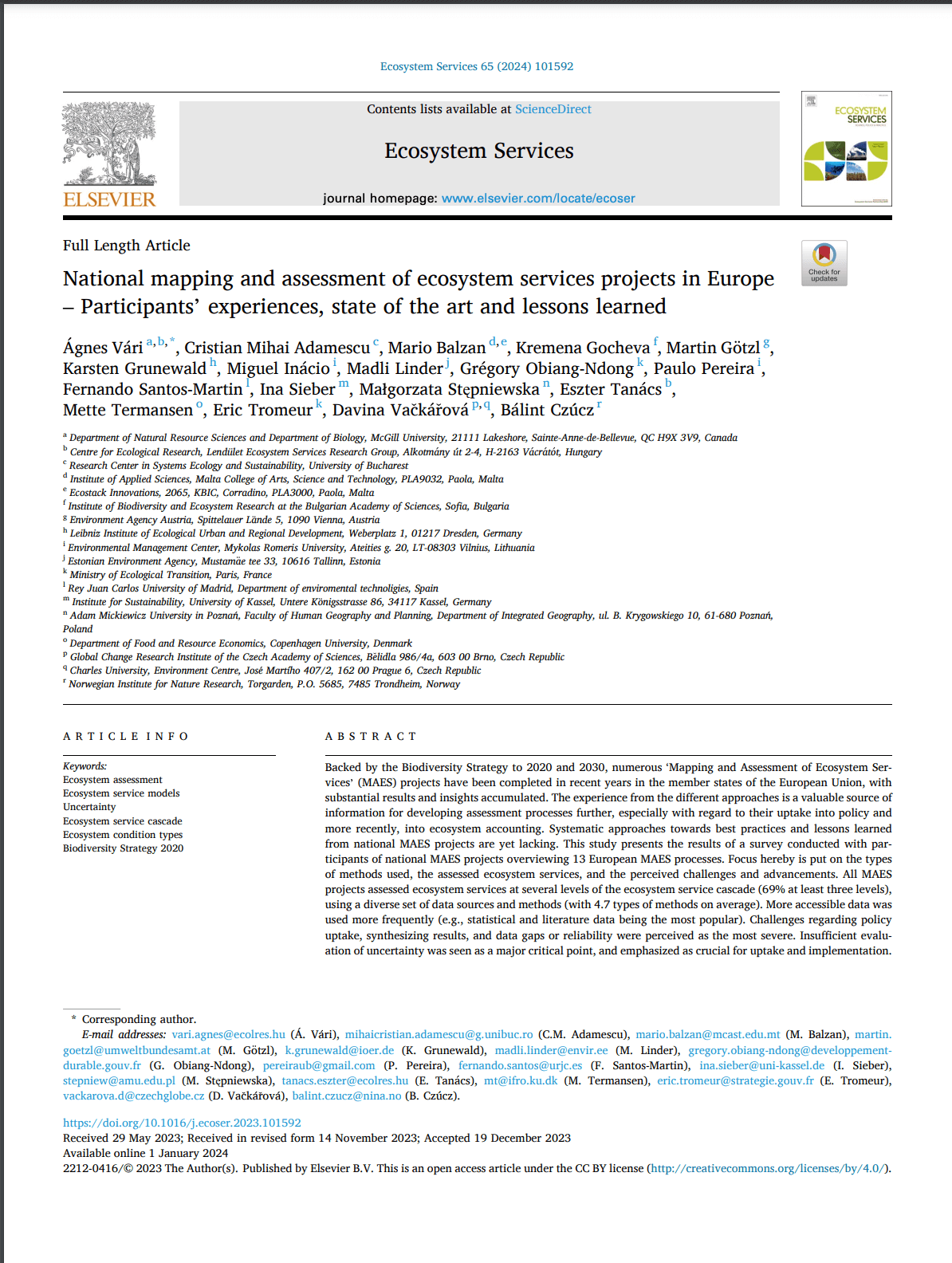
National mapping and assessment of ecosystem services projects in Europe – Participants’ experiences, state of the art and lessons learned
Supported by the Biodiversity Strategy for 2020 and 2030, numerous Mapping and Ecosystem Services Assessment (ESMA) projects have been completed…