

Detalles
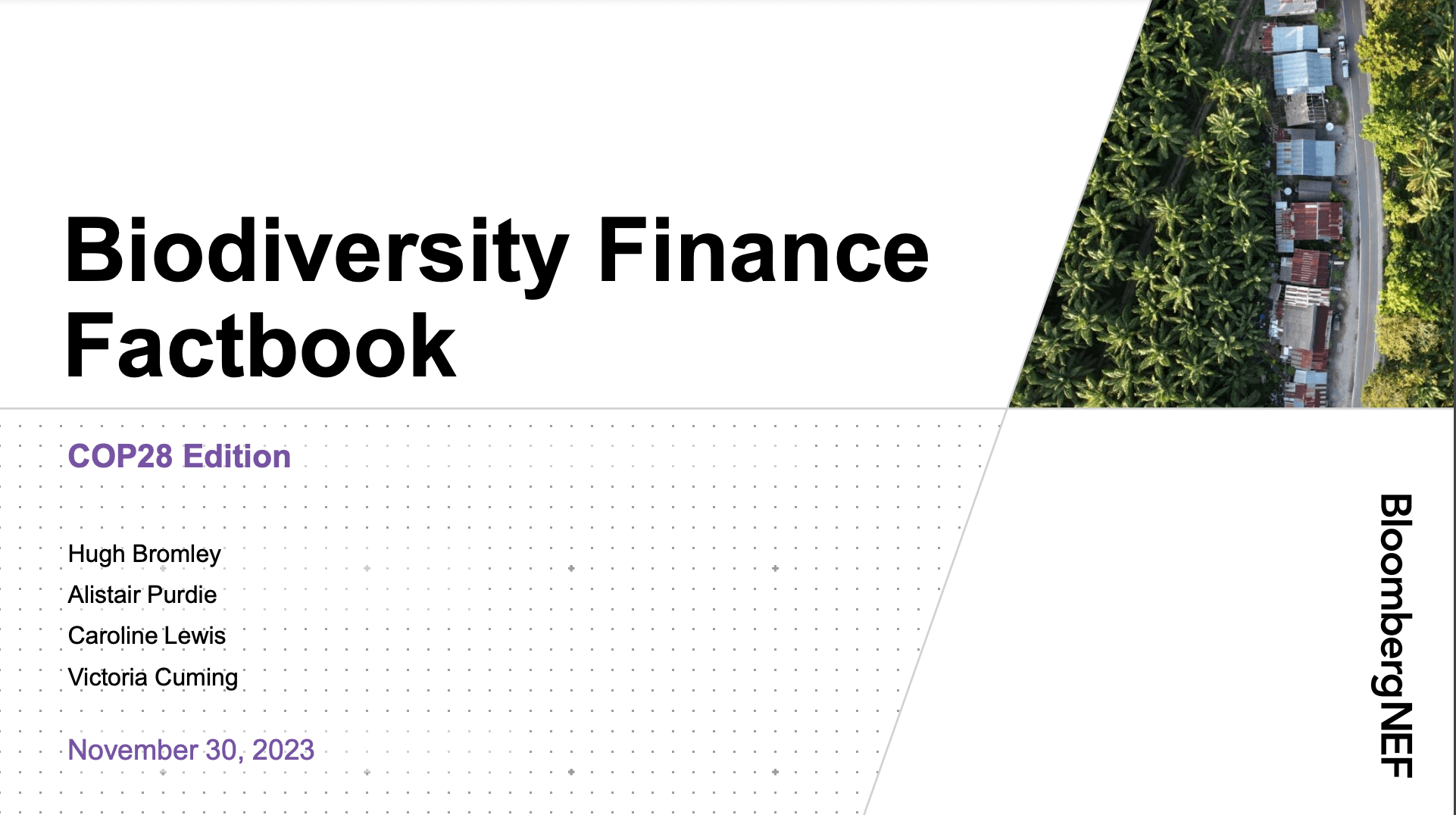
| Financial flows aimed at nature preservation and restoration have failed to come together in the year since the Global Biodiversity Framework was agreed in December 2022. Significant funding from the public and private sectors will be required to achieve the goals agreed in Montreal. This Biodiversity Finance Factbook aims to initiate and frame discussions on current financial flows, prioritization of finance, and how to achieve this. The COP28 edition of the Biodiversity Finance Factbook updates our initial analysis published in the first half of 2023. Where possible, the data has been updated to show the progress made in 2023. Current financial flows for biodiversity amount to about USD 166 billion per year, with the largest share of national government spending. According to estimates, a six-fold increase is needed by 2030. The expenditure required is about one-seventh of the annual cost of building a net-zero emissions energy system and is far less than the anticipated economic costs of biodiversity loss: conservative estimates indicate that global GDP will shrink by USD 2.7 trillion per year by 2030. About 73% of the sum needed by 2030 goes to sustainably manage productive landscapes and seascapes, representing the largest amount allocated to the agricultural sector's transition to conservation practices on farmland. |
Recursos relacionados
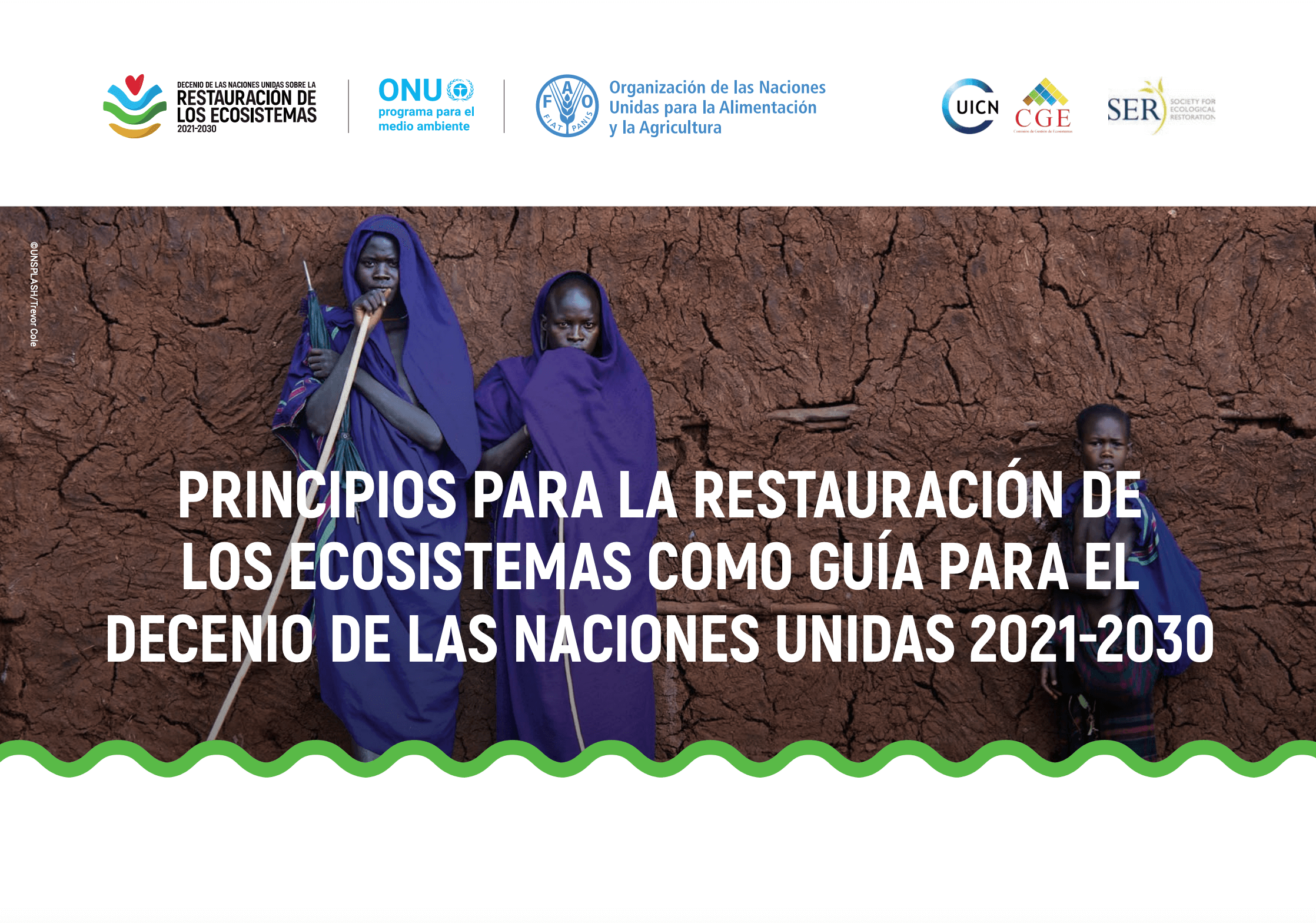
Principles for ecosystem restoration as a guide for the United Nations Decade 2021-2030
To support the implementation of the UN Decade on Ecosystem Restoration and contribute to the achievement of its goals, it…

2023
EarthWatch Learning. Planetary Boundaries
El concepto de Límites Planetarios fue desarrollado por un equipo internacional dirigido por científicos del Centro de Resiliencia de Estocolmo…
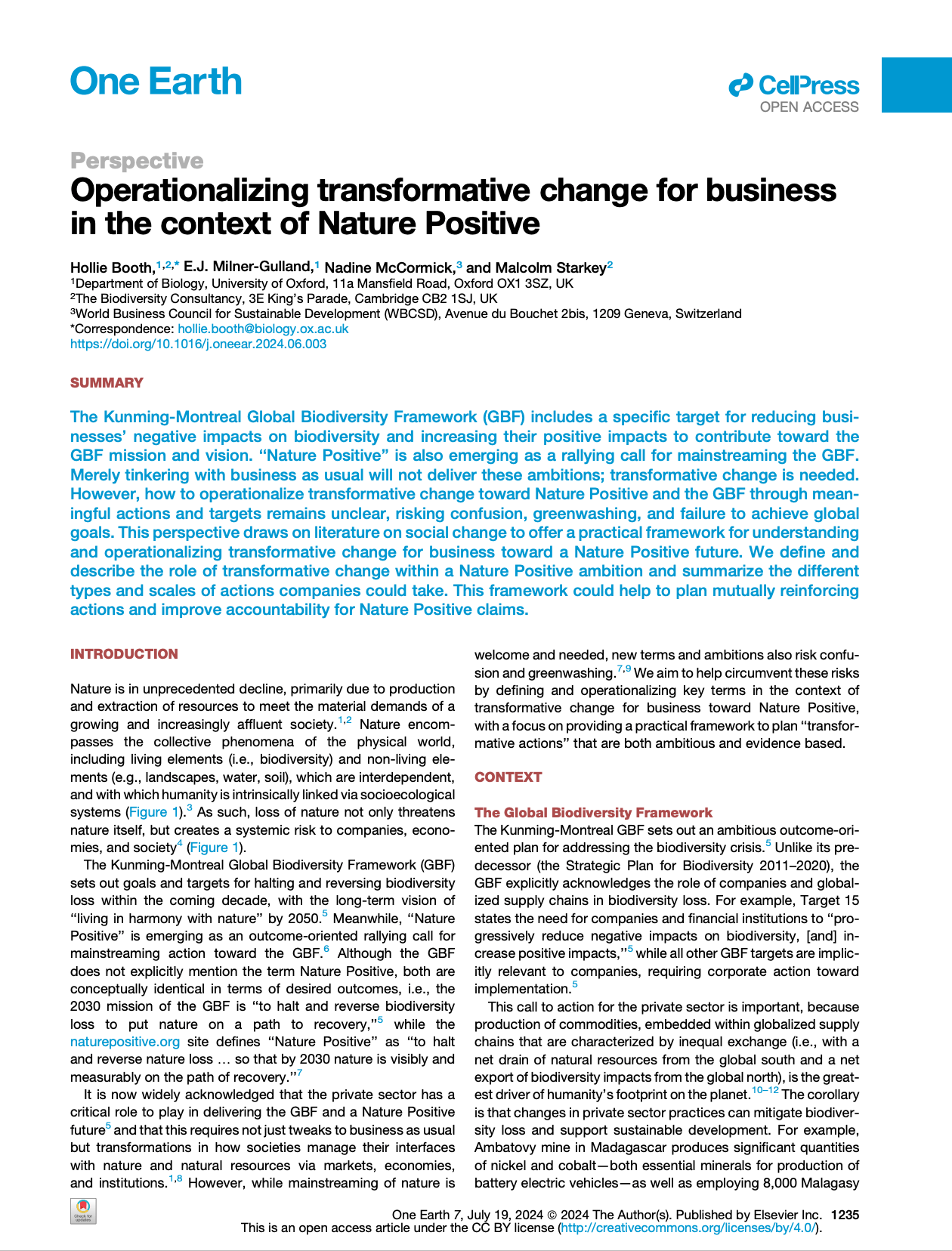
Operationalizing transformative change for business in the context of Nature Positive
The article addresses how companies can contribute to the mission of the Kunming-Montreal Global Biodiversity Framework (MGB) to halt and…