

Detalles
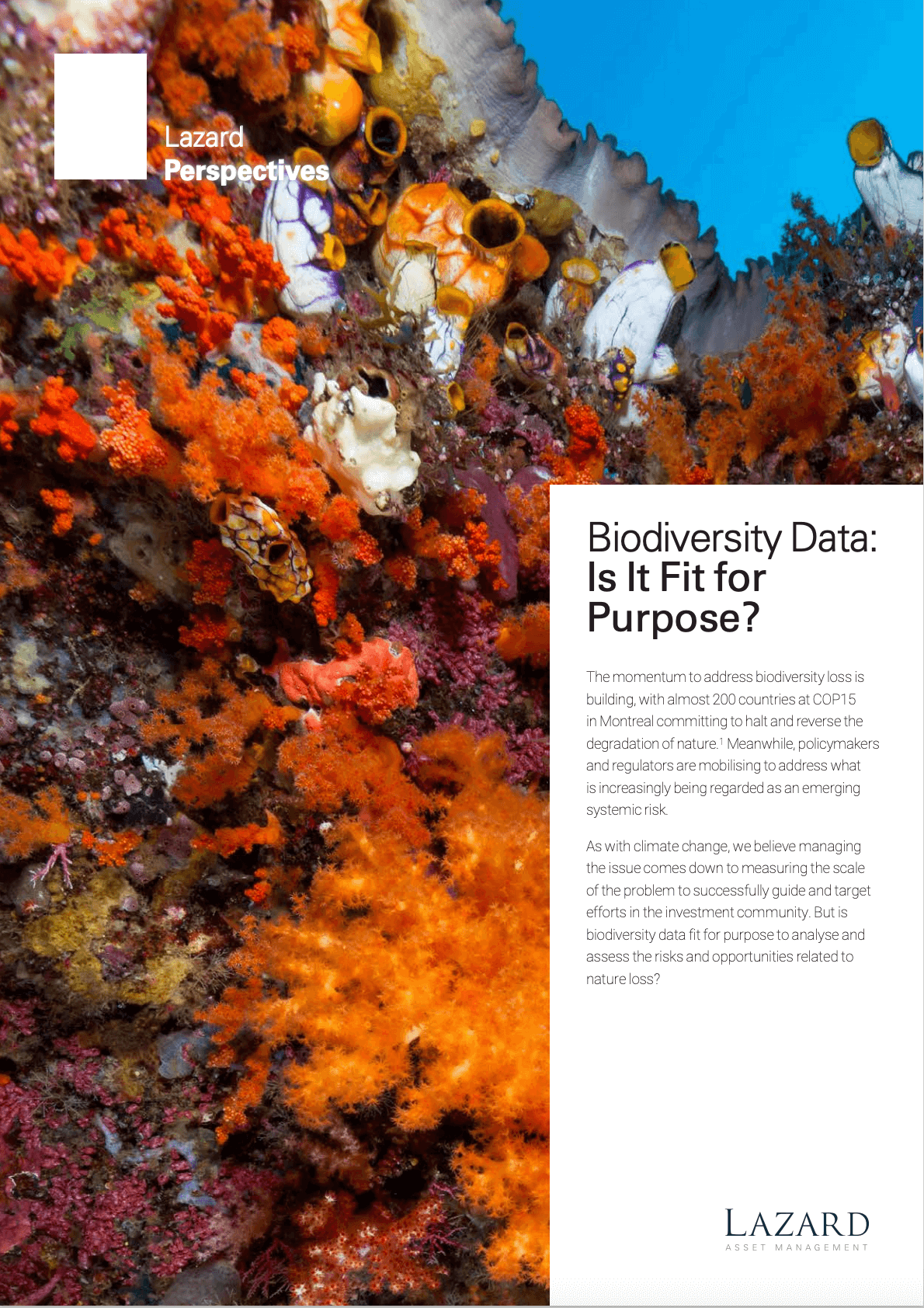
| Momentum to tackle biodiversity loss is building, with nearly 200 countries at COP15 in Montreal pledging to halt and reverse nature degradation. Meanwhile, policymakers and regulators alike are mobilizing to address what is increasingly identified as an emerging systemic risk. As with climate change, the issue boils down to measuring the scale of the problem in order to successfully guide and direct the efforts of the investment community. But are biodiversity data adequate to analyse and assess the risks and opportunities arising from nature loss? This paper explores the biodiversity data landscape, including data that is available and relevant to investors. Three key use cases for these datasets are identified as ways to: - Provide a high-level overview of a portfolio's exposure to biodiversity, analogous to determining a portfolio's carbon footprint. - Support fundamental research from the ground up. - Oversee corporate disclosure and early engagement with companies |
Recursos relacionados
What Is The Global Biodiversity Standard?
The Global Biodiversity Standard is the only international standard in the world that recognizes and promotes the protection, restoration, and…
2026
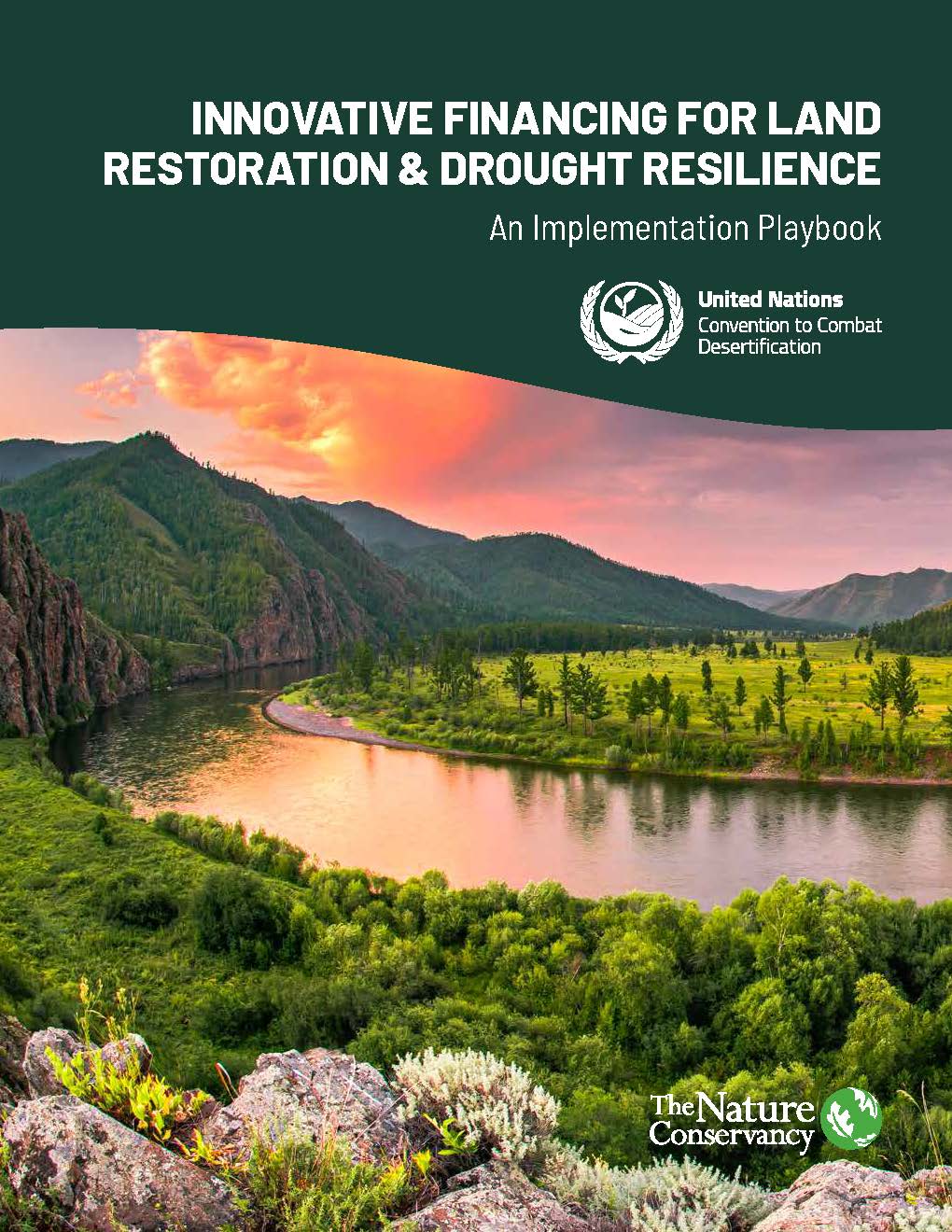
Innovative Financing for Land Restoration and Drought Resilience
El informe analiza cómo movilizar financiación para restaurar tierras degradadas y aumentar la resiliencia frente a la sequía, mostrando que…
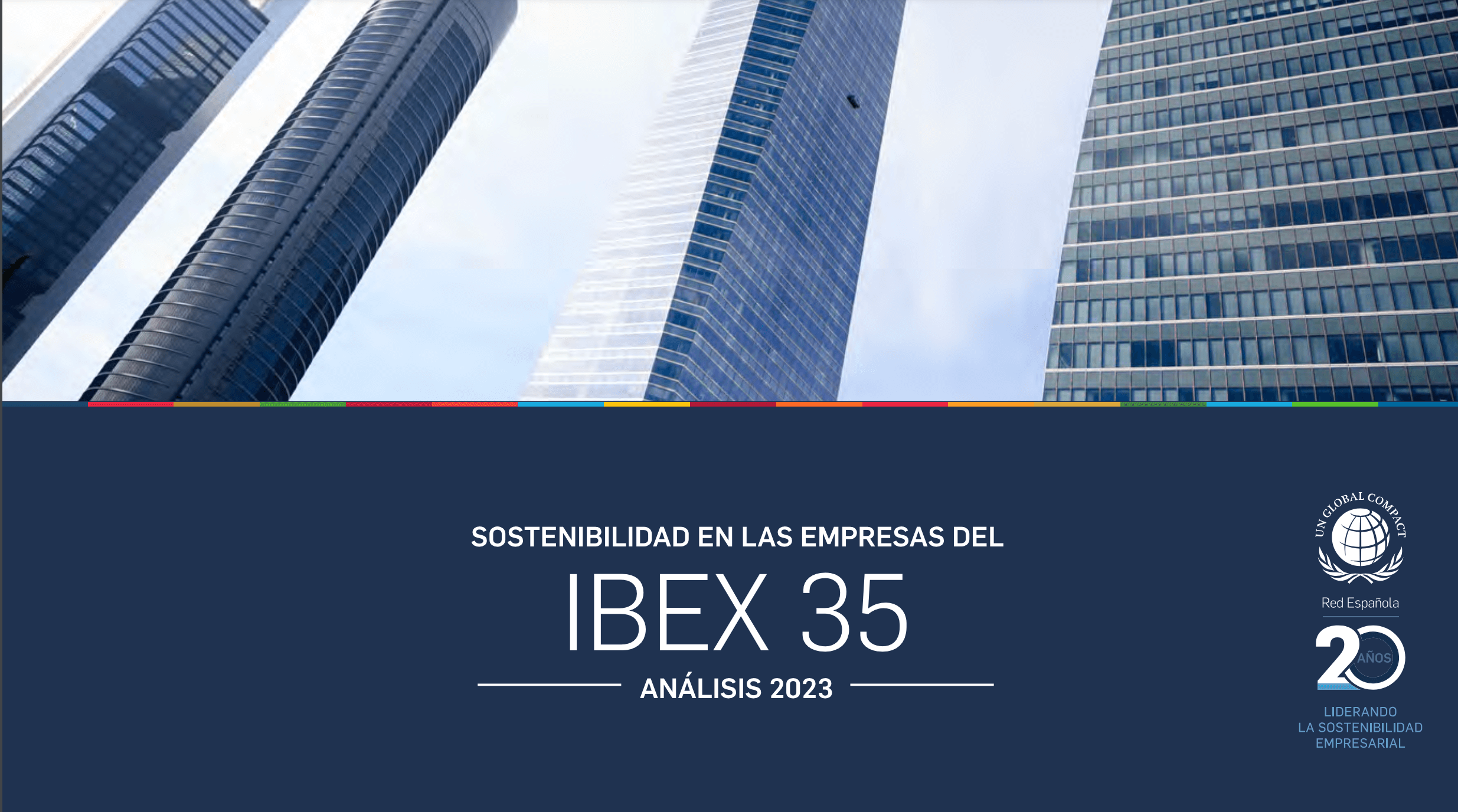
Sustainability in IBEX 35 companies. 2023 Analysis
The UN Global Compact Spain presents "Sustainability in IBEX 35 companies: analysis 2023". The report, which includes the progress and…