

Detalles
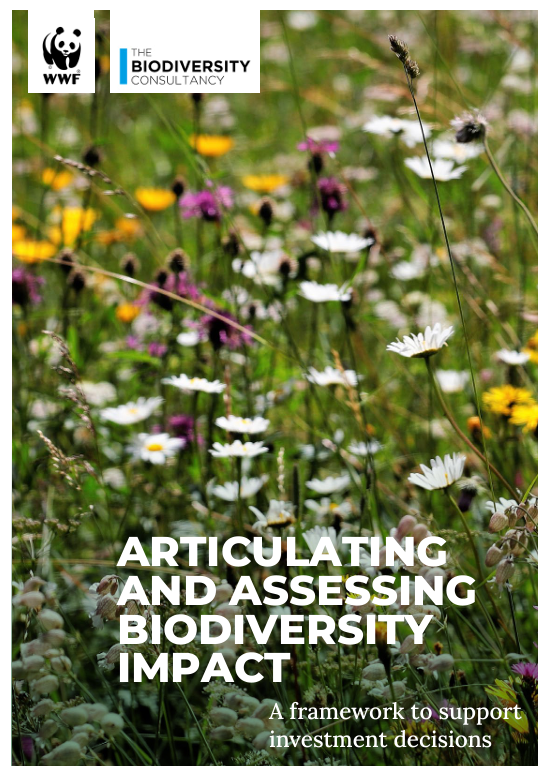
The Biodiversity Impact Assessment Framework (referred to as BIAF in this report) is based on assessing three components of biodiversity: extent, condition and importance. It involves identifying the impact pathways that directly or indirectly link planned or current activities to one of the five factors causing biodiversity loss (change in sea and land use, direct exploitation, climate change, pollution and invasive species).
The report explains in more detail the BIAF methodology and some of the challenges involved, and summarises four case studies to illustrate its application. The pilot application of the BIAF (including the four case studies described in this document) shows that the method provides plausible and interpretable results to support decision-making.
Recursos relacionados
Sustainable finance in Spain 2024
The OFISO 2025 Annual Report on Sustainable Financing in Spain in 2024 confirms a growth of 8%, to channel 65,705…
Real Estate and Biodiversity: What You Need to Know
Publication coordinated by the US Green Building Council focused on guidelines on Biodiversity in Real Estate. These guidelines include references…
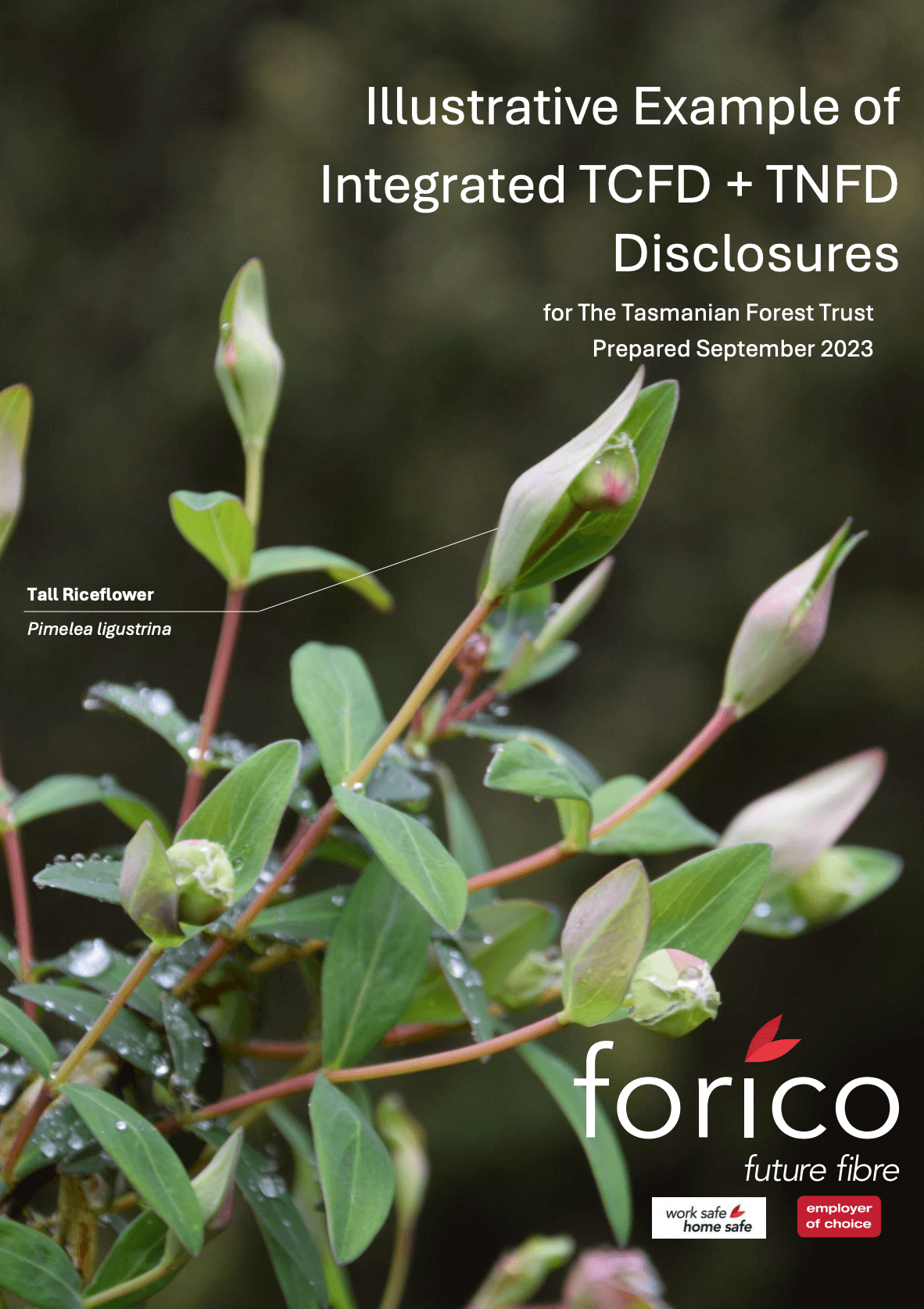
Integrated TCFD + TNFD Disclosures for The Tasmanian Forest Trust
Australian forestry company Forico has collaborated with the TNFD to produce an illustrative integrated disclosure report to show how the…