

Adapting central bank operations to a hotter world: current progress and insights from practical examples
Detalles
| The Network for Greening the Financial System (NGFS) has published a report on adapting central bank operations to a warmer world. In recent years, NGFS members have gained hands-on experience integrating climate-related considerations into their operations, building on the findings of the 2023 member survey. The actions taken by NGFS members in relation to monetary policy operations cover three main areas that were set out in a previous report of the network published in 2021: (i) credit operations, (ii) asset purchases, and (iii) collateral policies. Some actions aim to protect central banks' balance sheets from financial risks arising from climate change, while others aim to contribute to an orderly transition to a low-carbon economy. This report complements the 2021 report, based on the measures that NGFS members have implemented, illustrated through eight case studies. It also discusses the practical knowledge that can be gleaned from them. Although the list of case studies considered is not exhaustive, it provides an overview of possible measures that other central banks can draw inspiration from. These case studies show that while practical challenges remain for the "greening" of central bank operations, one of which is data availability, these challenges can be overcome. This is illustrated by the cautious and gradual approach taken by several central banks, which have signaled that they are likely to expand their measures over time. The overview of the measures taken and the practical knowledge gained from them are intended to inform other central banks that may seek to adjust their operations as appropriate within the framework of their respective mandates. However, the report does not prescribe any particular measure or approach. Country-specific factors are a decisive factor in this area. Moreover, the measures presented in the report were implemented during a period when interest rates were historically low, and may be less applicable or relevant when interest rates are above the zero lower bound. |
Recursos relacionados
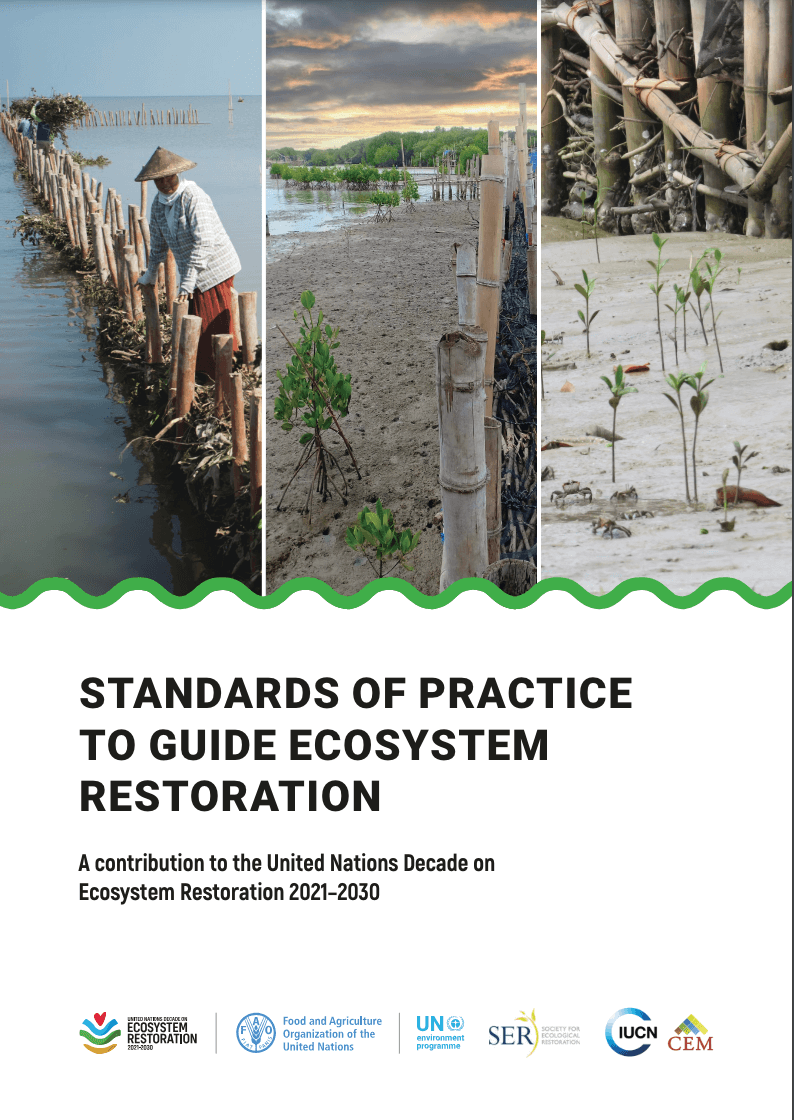
Restoration Project Developers’ Playbook on Private Finance (Europe)
The Handbook aims to help developers of restoration projects understand existing private financing options.
2022
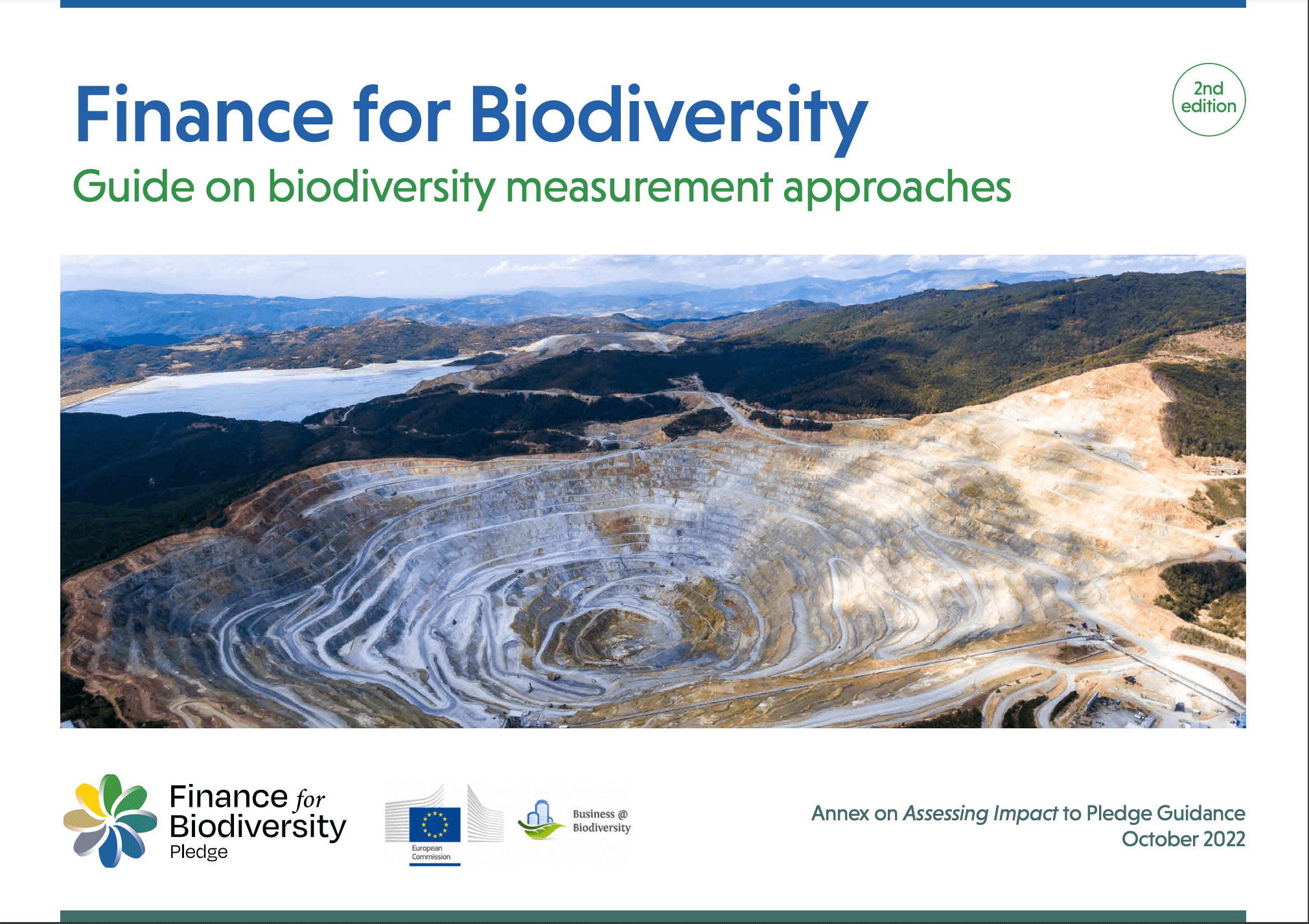
Finance for Biodiversity: Guide on biodiversity measurement approaches
Esta guía comienza con la definición de siete enfoques de medición y una descripción de los criterios de selección utilizados…

2022
Towards a Forest Positive Future
En 2010, Nestlé publicó su compromiso de poner fin a la deforestación en sus cadenas de suministro. Desde entonces, la…