

Detalles
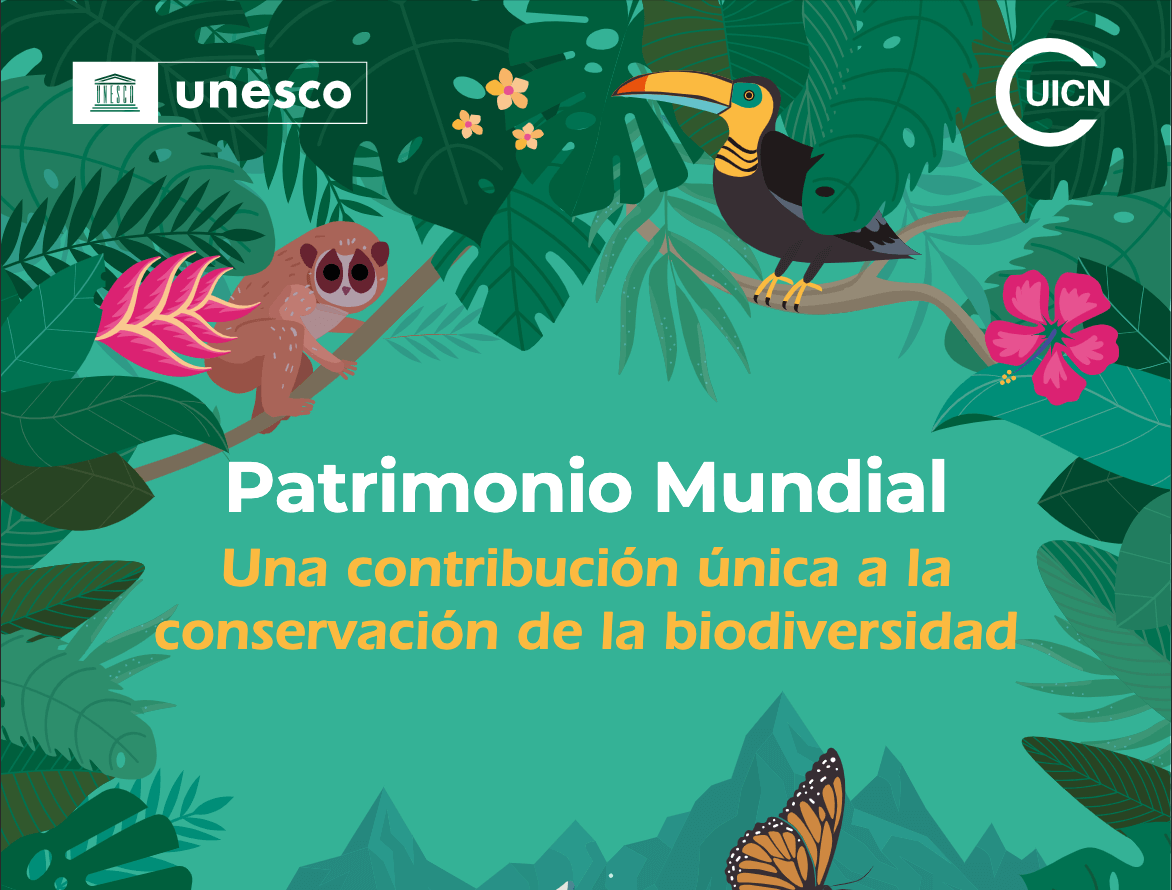
The 1157 UNESCO World Heritage Sites not only represent the most outstanding places on the planet in terms of human history and culture, but also protect some of the richest areas in terms of biological diversity. The first comprehensive assessment by UNESCO and the International Union for Conservation of Nature (IUCN) of the species living in these areas reveals the extent to which they are critical to preserving the diversity of life on Earth.
These extraordinary places, which hold both natural and cultural treasures, play a vital role in preserving the integrity of ecosystems and biodiversity. Despite covering less than 1% of the Earth's surface, they are home to more than 1/5 of the world's richness of mapped species, making them a haven for a staggering variety of plant and animal life.
Recursos relacionados
Evidence review on the financial effects of nature-related risks
A new report from Global Canopy, the Task Force on Nature-related Financial Disclosures (TNFD) and the University of Oxford finds…
EUDR Regulation: A tool to combat deforestation
This document provides explanatory guidance on Regulation (EU) 2023/1115 on the marketing of deforestation-free products (EUDR). It shows a list…
Measuring and Valuing Biodiversity at Site Level supplement
Awareness of the risks posed by global biodiversity decline is increasing among investors and within companies. This is driving positive…