

Detalles
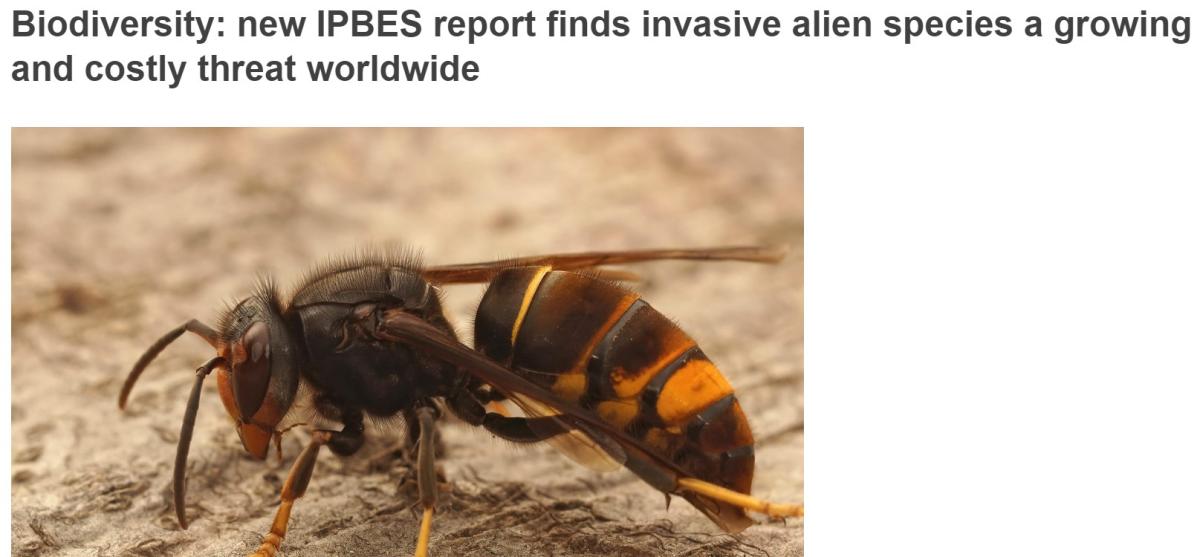
Invasive alien species are one of the top five direct drivers of biodiversity loss globally, along with land and sea use change, direct exploitation of organisms, climate change, and pollution. According to a new report by the Intergovernmental Platform on Biodiversity and Ecosystem Services (IPBES), more than 3,500 of the 37,000 alien species that have been introduced by many human activities into regions and biomes around the world pose significant global threats to nature. economy, food security and human health. Invasive alien species (IAS) play a key role in 60% of global plant and animal extinctions, costing humanity more than $400 billion a year, an amount that has quadrupled every decade since 1970. With the increased movement of people and goods caused by globalization, environmental degradation, and climate change, the number of invasive alien species and their impacts are projected to increase in the future. The report provides evidence, tools and options to help governments and stakeholders achieve an ambitious new global target on invasive alien species: target 6 of the recently adopted Kunming-Montreal Global Biodiversity Framework, which aims to reduce the introduction and establishment of invasive alien species by at least 50% by 2030.
Recursos relacionados
Thematic Report on Biodiversity Disclosure Initiatives
In line with the growing recognition of the importance of biodiversity for business, the demand for disclosure of biodiversity business…
Primeros objetivos basados en la ciencia para la naturaleza (tierra y agua dulce)
La publicación de los primeros Objetivos para la Naturaleza Basados en la Ciencia (SBTN) supone un avance significativo para que…
Biodiversity Finance Factbook COP28 Edition
Financial flows aimed at nature preservation and restoration have failed to come together in the year since the Global Biodiversity…