

Detalles
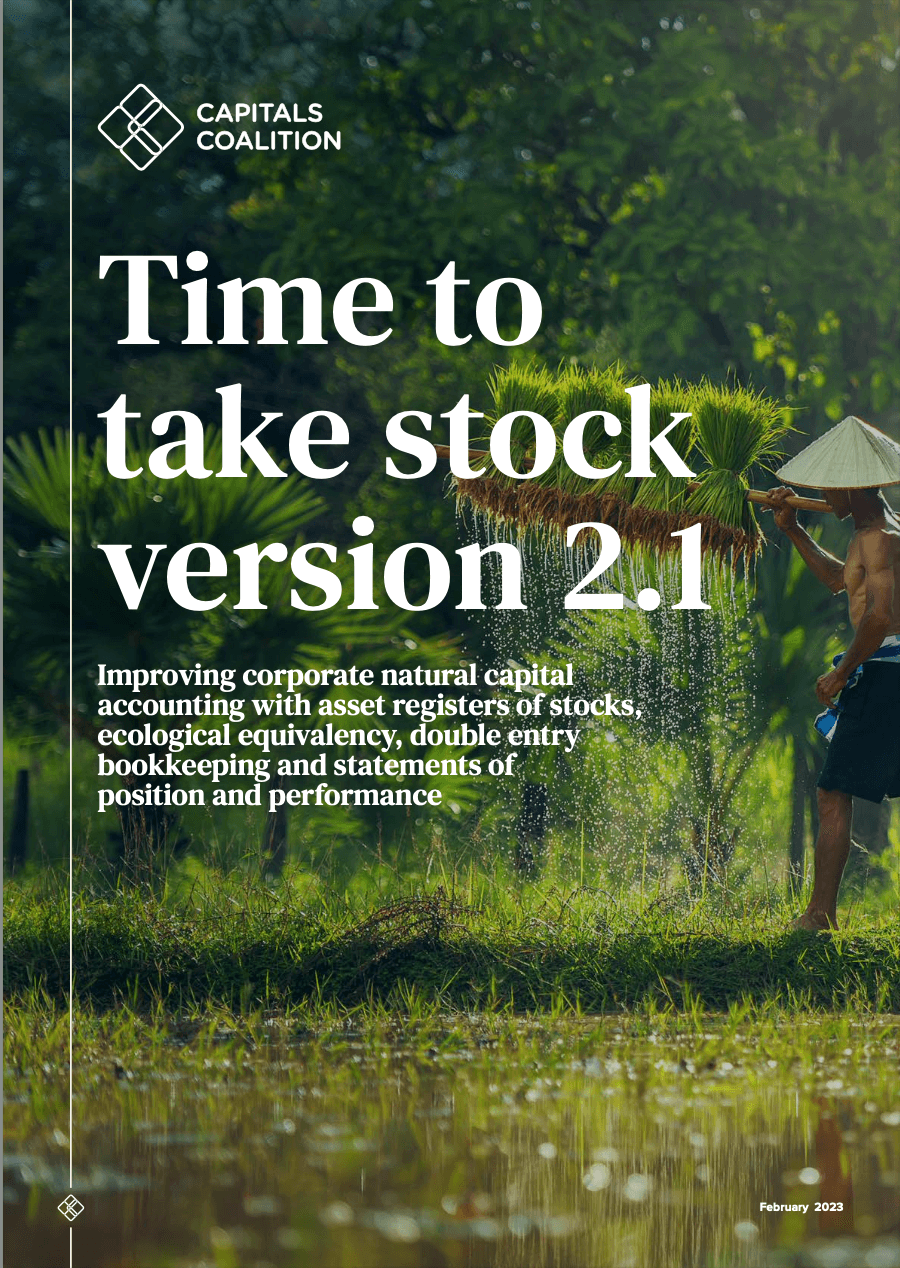
| The estimated annual contribution of USD 125 trillion that natural capital makes to the global economy can only be managed with proper measurement. Despite CEOs consistently ranking it among the top five global risks, measuring the state of this natural capital remains a challenge. As a result, managers do not effectively integrate natural capital risks into their current financial and non-financial analyses, risk assessments, operating procedures, product development systems, and related business applications. The time has come to take stock of these efforts and start working towards a clear, precise and pragmatic concept of 'natural capital accounting', or 'corporate natural capital accounting' when applied to business or public organisations. This document identifies some of the current best practices and highlights the gaps that need to be addressed in order to establish robust standards for each of these standards. The document follows the trajectory of the "Natural Capital Protocol" since its publication in 2016 and recognizes that the protocol may be the most influential effort to support the integration of the value of natural capital into business decision-making. This is because the protocol directly recognizes the value of reserves and requires their measurement and management. In addition, it explores chance paths between stocks, flows, and value. |
Recursos relacionados
Findings of a high-level scoping study exploring the case for a global nature-related public data facility
This paper answers questions from several G20 member governments on how addressing nature-related data challenges could enable and accelerate the…
Achieving the Sustainable Development Goals through Tourism: Toolkit with Project Indicators (TIPs)
This tool aims to provide guidance on how to develop tourism projects aligned with the Sustainable Development Goals (SDGs).