

Towards nature-friendly consumption – Biodiversity impacts and policy options for shrimp, soy, and palm oil
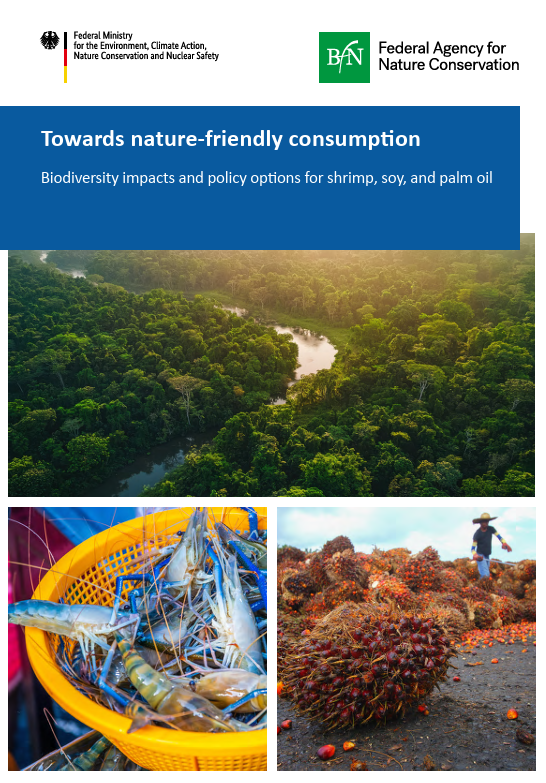
Detalles
Este estudio aborda cómo el consumo de la UE afecta a la biodiversidad mundial, centrándose en tres productos básicos de gran impacto: el camarón, la soja y el aceite de palma. Destaca las crisis entrelazadas de la pérdida de biodiversidad y el cambio climático, el desplazamiento sistémico de las presiones medioambientales, los desequilibrios de poder en el comercio mundial, los límites de las soluciones técnicas y la necesidad de centrarse en la suficiencia y la equidad. El estudio también presenta opciones políticas y aboga por estrategias integradas que transformen los patrones de consumo para proteger la biodiversidad, defender la equidad para los países productores y promover la sostenibilidad mundial.
Recursos relacionados
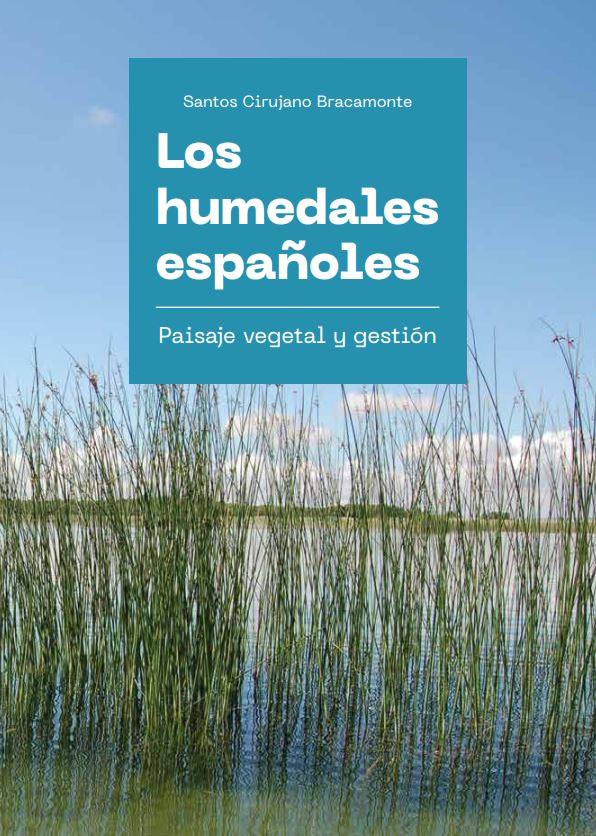
The Spanish wetlands. Plant landscape and management
The document prepared by the Global Nature Foundation offers a detailed analysis of the state and threats of wetlands in…
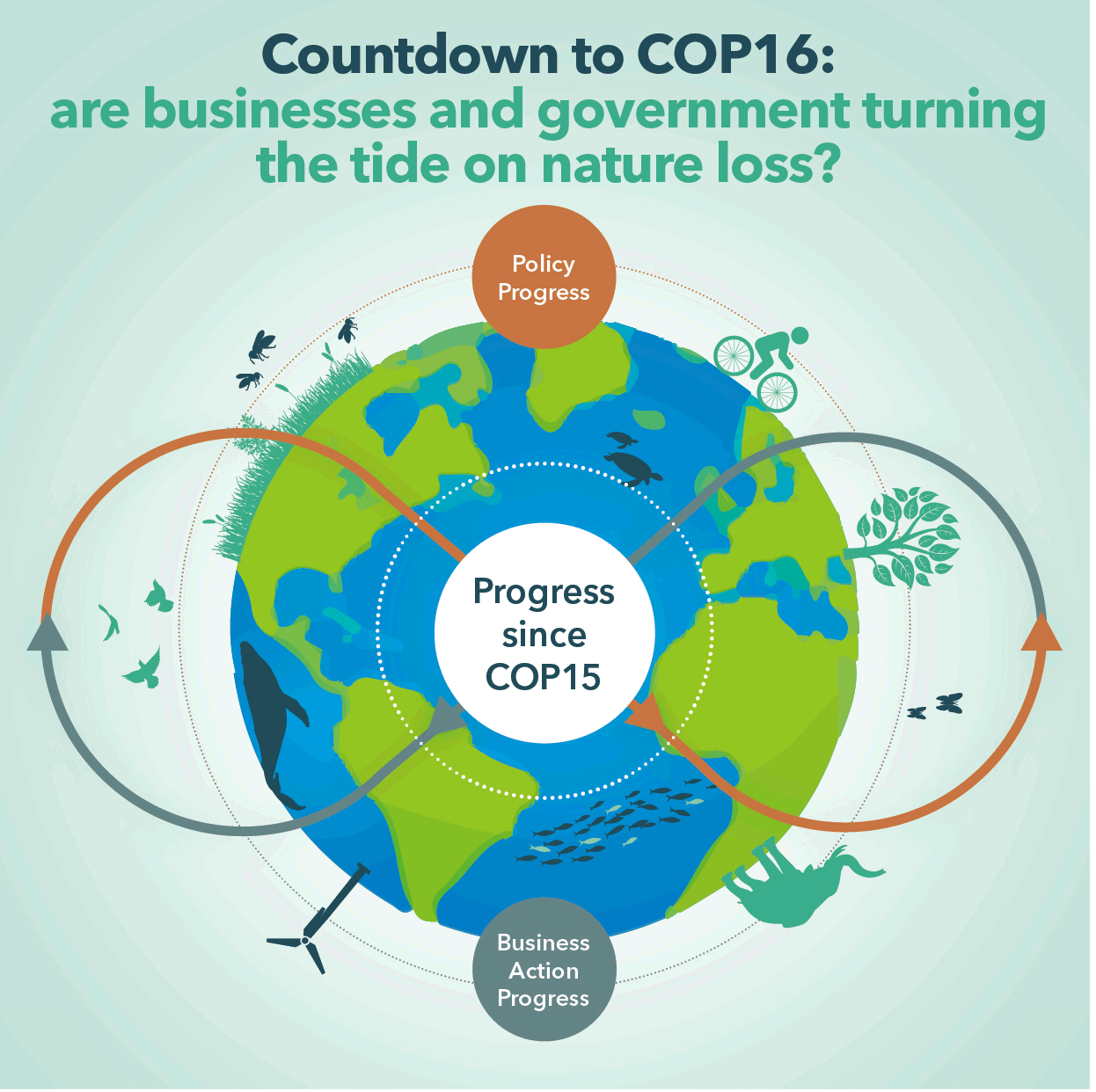
Countdown to COP16: Are companies and governments turning the tide on nature loss?
We all depend on nature: our societies, our economies and our businesses depend fundamentally on it and its services. But…
National mapping and assessment of ecosystem services projects in Europe – Participants’ experiences, state of the art and lessons learned
Supported by the Biodiversity Strategy for 2020 and 2030, numerous Mapping and Ecosystem Services Assessment (ESMA) projects have been completed…