

Technical guide to conserve and promote biodiversity in new construction and rehabilitation
Detalles
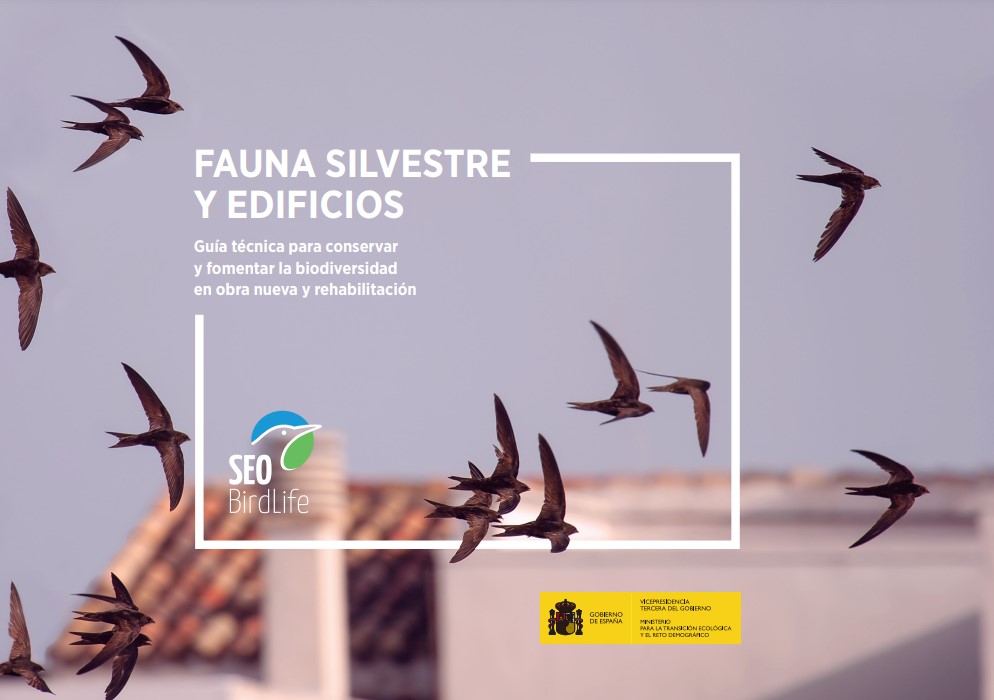
When we talk about sustainability in buildings, we generally think of issues such as material and energy consumption, CO2 emissions, waste generation, etc., but rarely biodiversity. However, many buildings and infrastructures created by humans are home to a rich and varied fauna and flora, because they offer alternatives to the degradation and disappearance of their natural places of refuge and nesting. Some species have even become totally dependent on these artificial structures for their survival.
This guide aims to put an end to the lack of recognition of the importance of biodiversity in the building sector, offering information and tools to operators in this industry so that they can adopt measures to protect and promote natural heritage in their works, in a simple, economical way that guarantees the good condition and conservation of the building heritage. With this, it is expected to contribute to compliance with the principle of not causing significant damage to the environment (DNSH) in terms of the protection of biodiversity in the energy rehabilitation works of buildings that will be financed in the coming years through the Recovery, Transformation and Resilience Plan (RTRP) promoted by the European Union.
Recursos relacionados
Nature Positive in a Business Context: Current Working Definition
Este informe, que se basa en el documento de debate Business for Nature, pretende contribuir al debate actual, aportando aclaraciones…
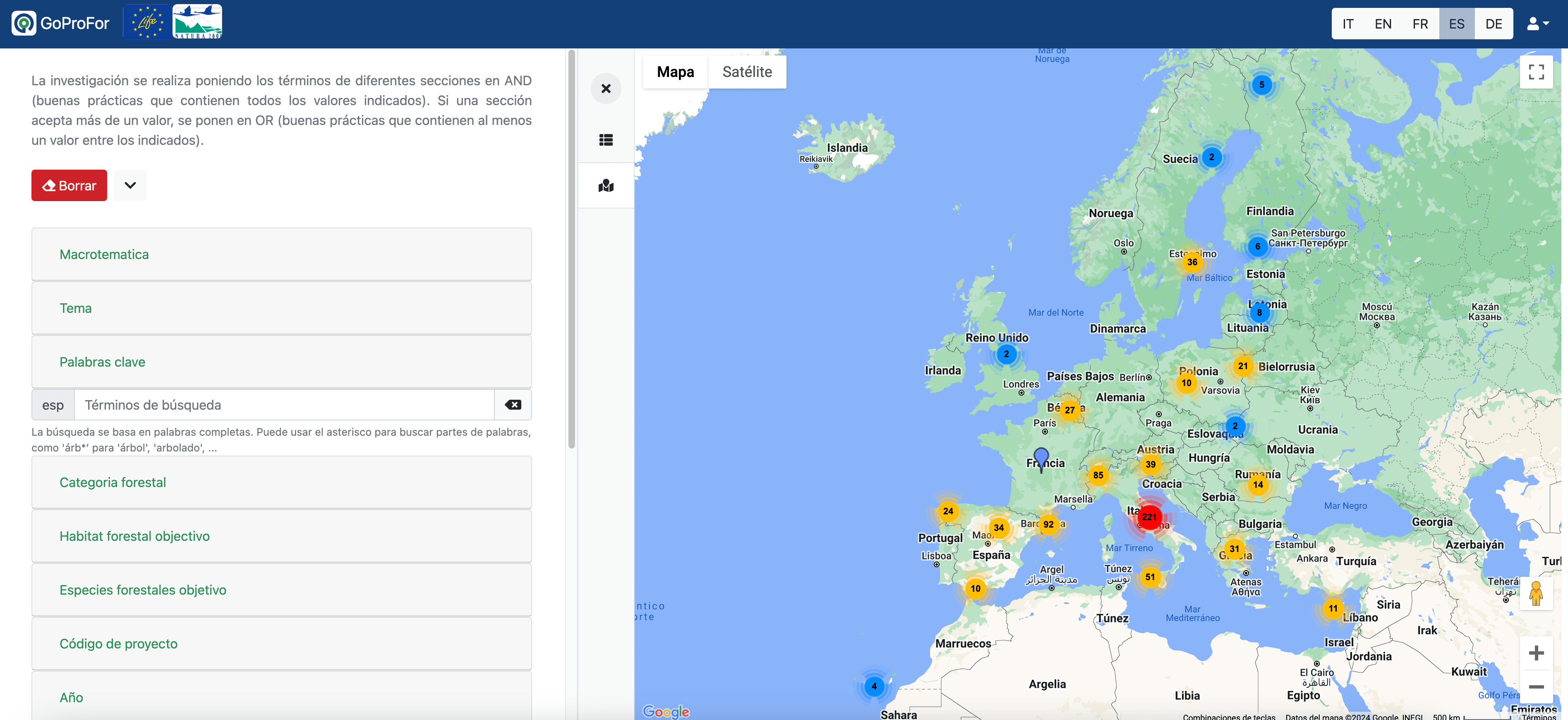
Forests and Natura 2000. Good Practice Database
The GoProFor project database is an online tool for consulting good practices in the forestry field, derived from the experience…
Green Paper on Sustainable Finance in Spain
The report highlights the seriousness of climate change as a global challenge today and the impact it has on future…