

Detalles
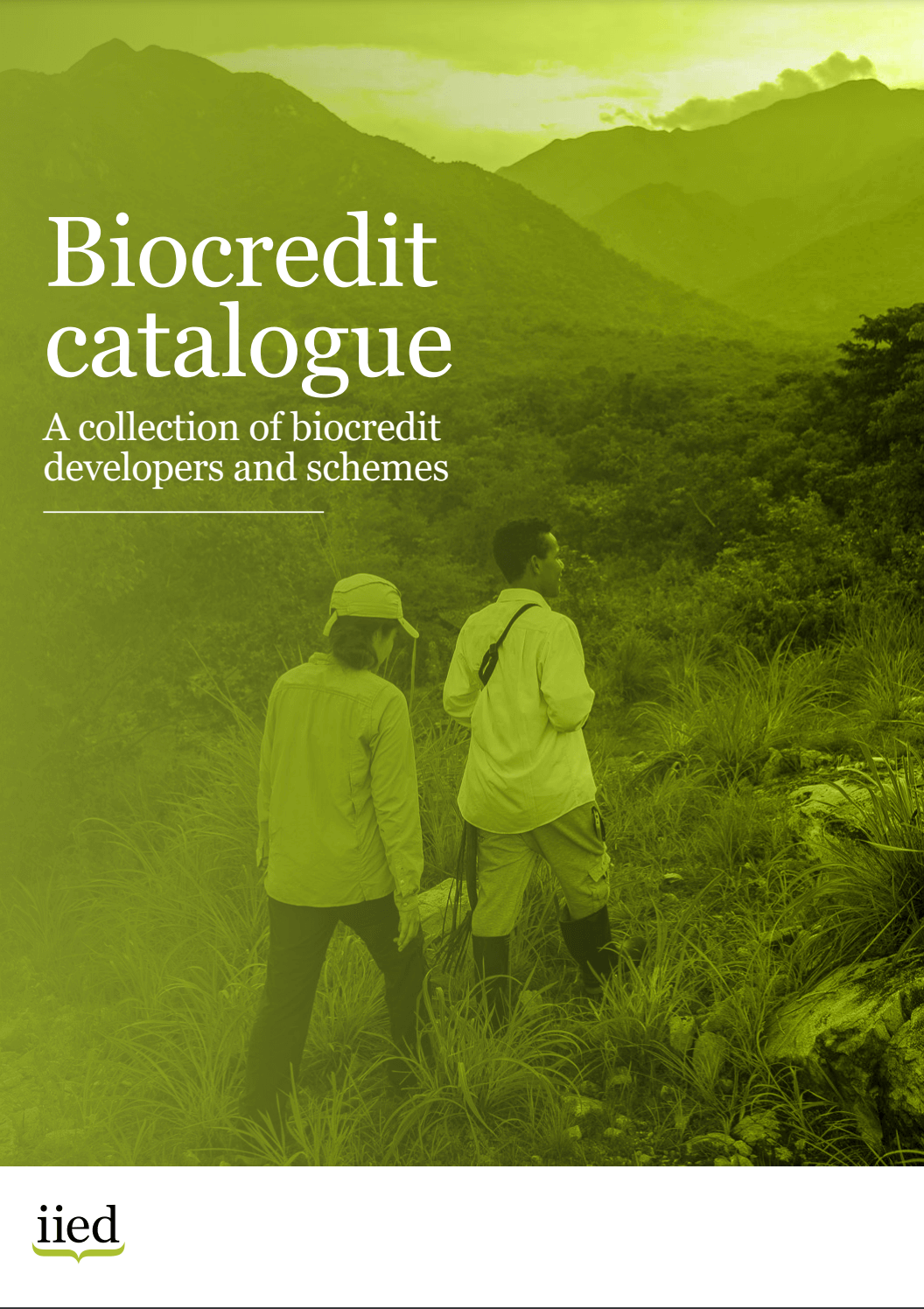
| The biocredit market channels finance into biodiversity conservation and restoration, which, when designed correctly, can benefit and empower indigenous peoples and local communities, a group that research shows cares for more than 80% of the planet's biodiversity. The challenge is to learn from the mistakes of the carbon market, which historically allowed for greenhouse gas offsets and whose profits were not shared equitably. A high-integrity biocredit market does not allow for offsets, as biodiversity is unique and would allow indigenous peoples and local communities to lead the development and infrastructure of the market. This catalogue contains developers and biocredit schemes that, according to the authors' knowledge, do not compensate for damage to nature and biodiversity. The catalogue is a dynamic document that reflects the emerging biodiversity market. |
Recursos relacionados
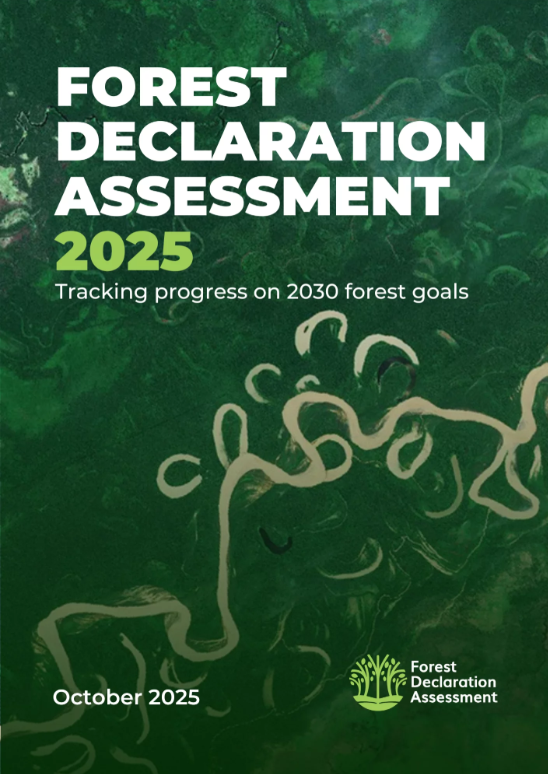
Forest Declaration Assessment 2025 – Tracking progress on 2030 forest goals
Este trabajo ofrece una evaluación integral del progreso global hacia los objetivos forestales fijados para 2030, que incluyen la reducción…
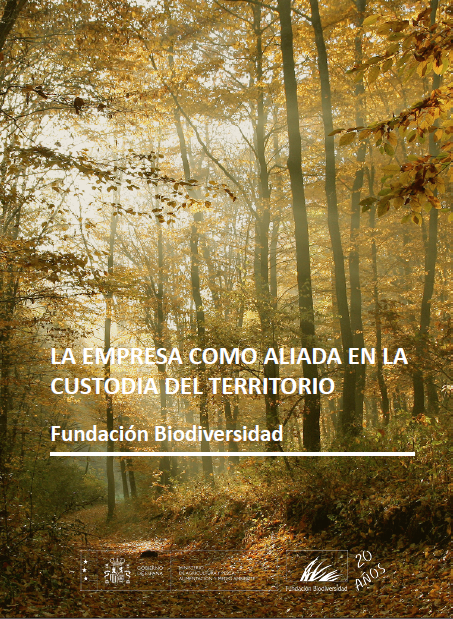
International Compendium of Innovative Mechanisms and Experiences for Financing Biodiversity Conservation and Land Stewardship
This document compiles innovative tools and strategies to mobilize resources for nature conservation with the aim of diversifying sources of…