

Detalles
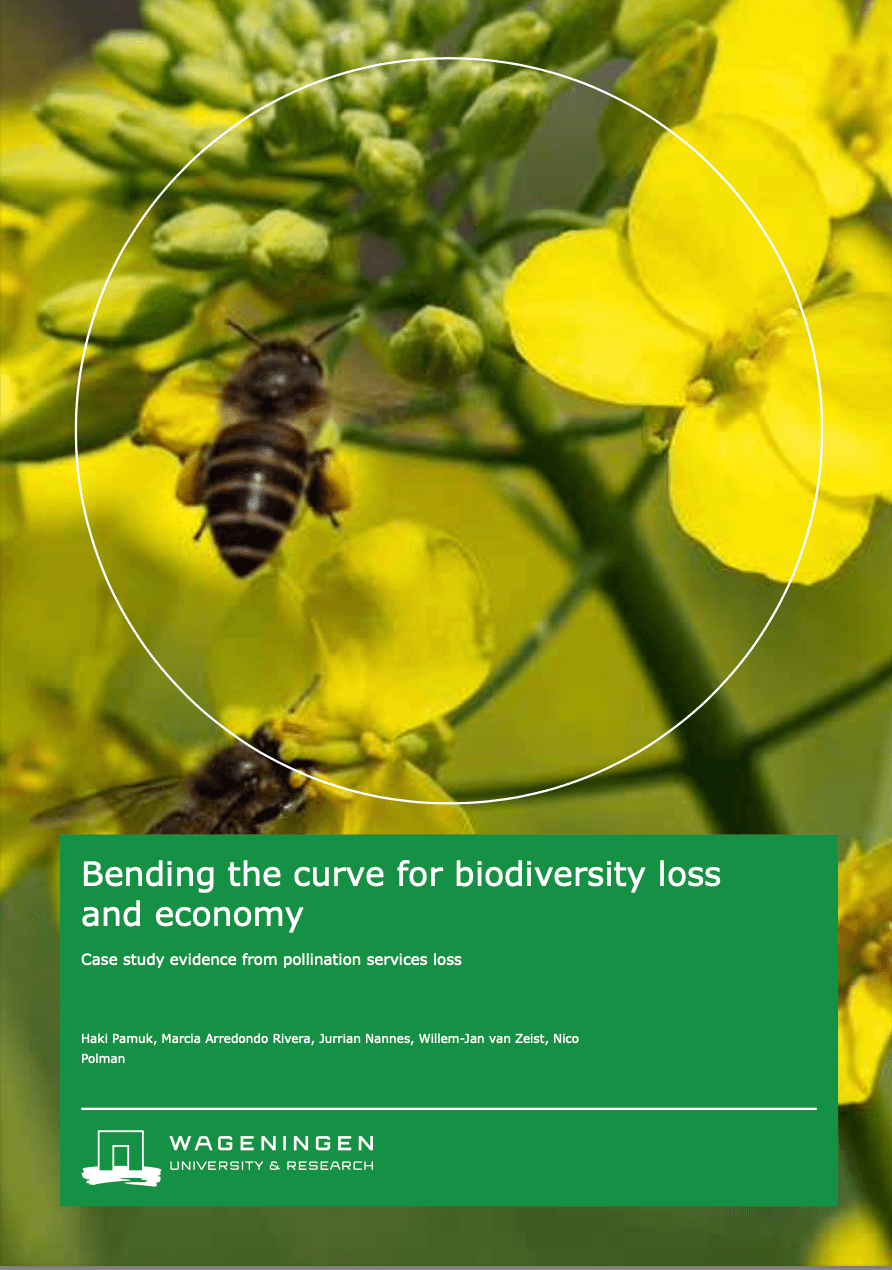
| Allianz SE and WUR are collaborating to answer three important questions about the impact of financial investments on biodiversity and the investments needed to achieve a zero-biodiversity economy. - How do financial investments influence biodiversity? - How can biodiversity loss influence the insurance and investment portfolio of companies in the financial sector? - How much private and public investment should be allocated to biodiversity measures to achieve a zero-biodiversity economy? This study, the product of this collaboration, has two objectives. First, it identifies progress and challenges in answering the three research questions by conducting interviews and using existing knowledge. Second, it provides data on the economic impacts of biodiversity loss and the costs of mitigating those losses at the sectoral level. The study assesses the impact of the loss of pollination services on sectoral economic activities in Germany, the United States, France, Germany, Italy, the Netherlands and the United Kingdom, the United States, France, Germany, Italy, the Netherlands and the United Kingdom, and calculates the cost of agricultural measures to mitigate the loss of pollination services in these markets. It compares those costs with the economic benefits that would accrue from reducing the loss of pollination services. |
Recursos relacionados
WWF Wood Risk Tool
The WWF Wood Risk Tool is a reliable, up-to-date and practical source of information on the significant risks associated with…
Biodiversity, climate change and health
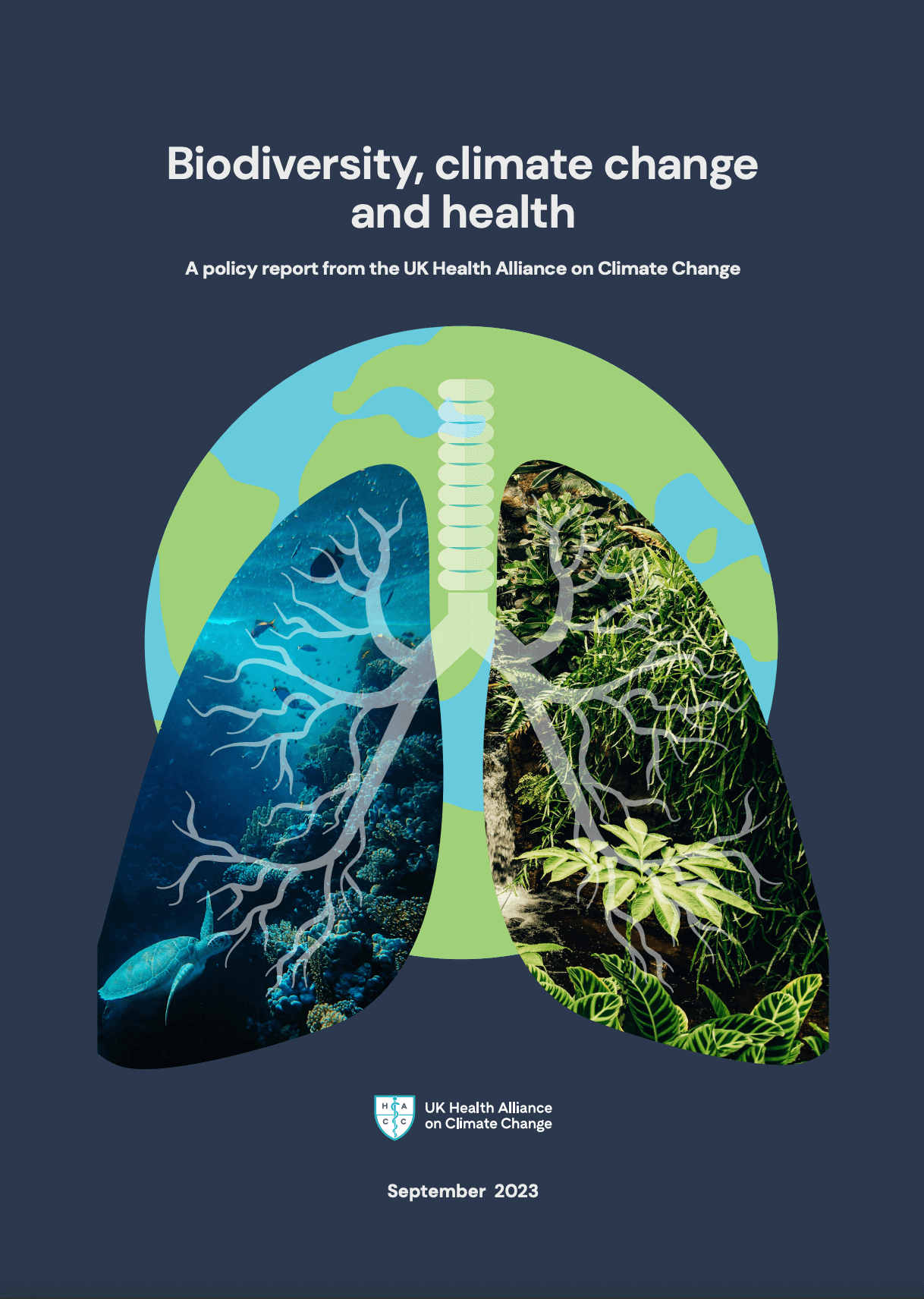
Both the climate and ecological crises are caused by human activities. Each has catastrophic implications for human health, and their…
2024 catalogue of good environmental practices of Spanish companies
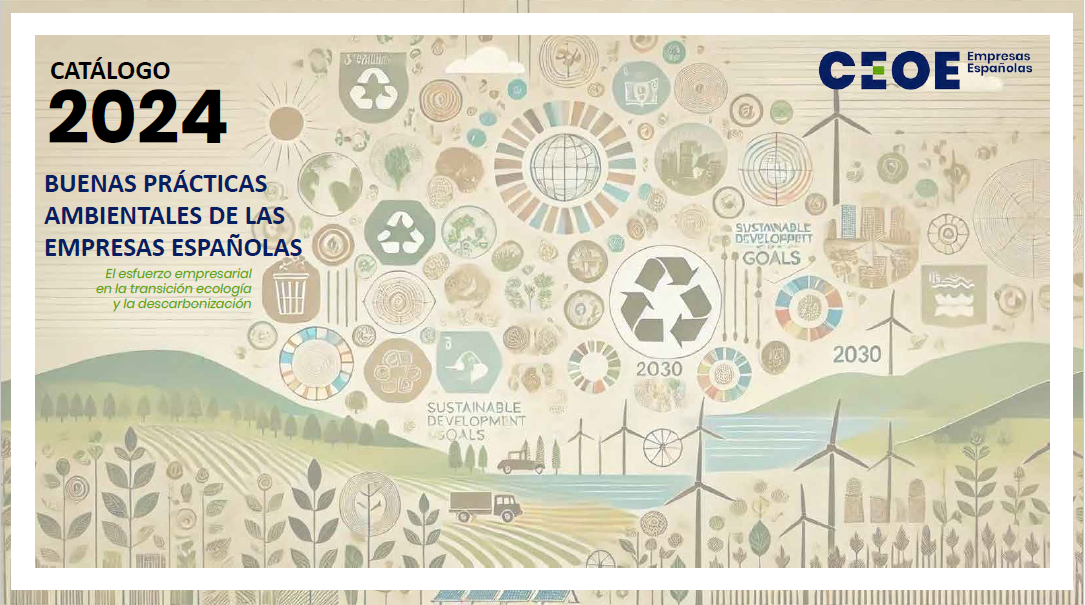
This report prepared by CEOE includes the good environmental practices of different Spanish companies in different areas; Water, energy, cities…