Detalles
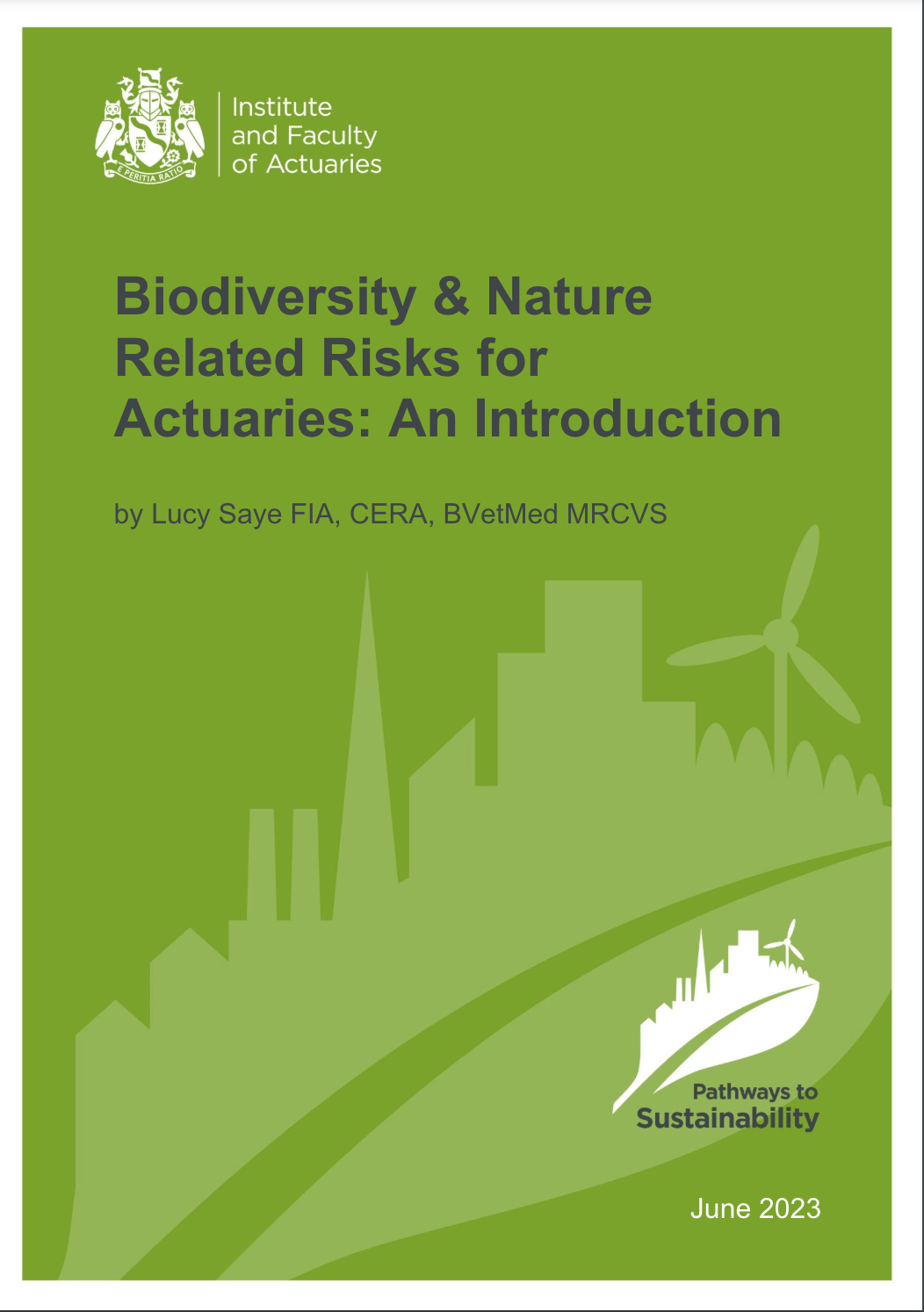
| Financial institutions are exposed to companies that are highly dependent on nature through their lending, advisory, investment and underwriting activities, which means that the losses of these companies due to the continuous deterioration of nature can be passed on to the financial sector. As a result, regulators, central banks, and industry widely recognize that biodiversity loss and nature-related risks pose a risk to the financial sector. At the same time, the decisions taken by financial institutions facilitate impacts on nature that can be positive or negative. The loss of biodiversity could lead to a higher frequency or severity of disasters and a greater geographical or sectoral concentration. This report is an introduction to biodiversity and nature-related risks for actuaries from all walks of life. It provides an overview of current issues and developments in the industry and highlights their relevance to actuarial work. |
Recursos relacionados
2023
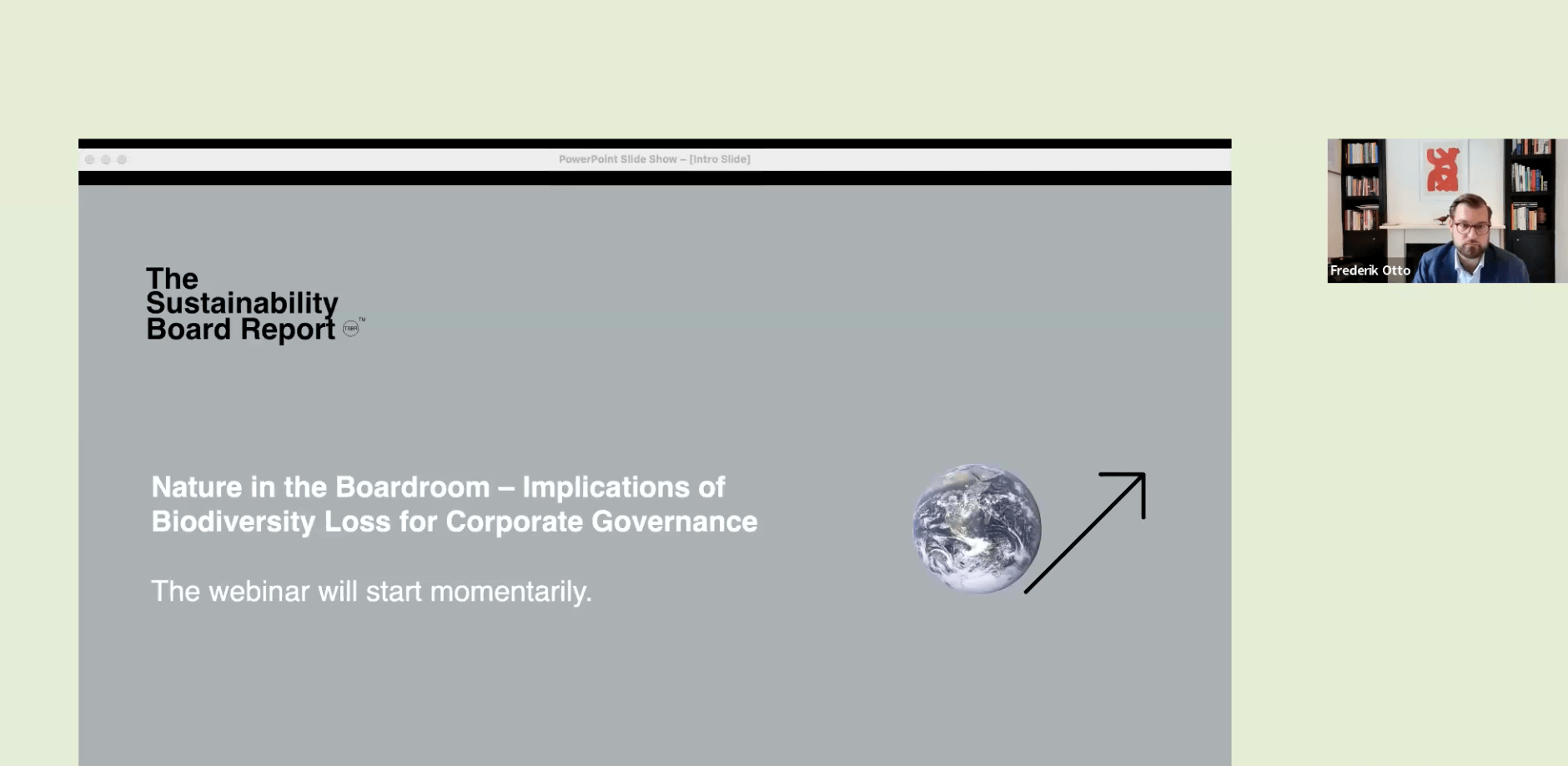
Nature in the Boardroom – Implications of Biodiversity Loss for Corporate Governance
La pérdida de biodiversidad y el agotamiento del capital natural tienen profundas implicaciones para nuestra sociedad. En el mundo actual,…