


Detalles
Finance Earth and the RSPB designed an innovative financial solution to address the biodiversity issues associated with the construction of new homes in England.
They introduced a habitat bank mechanism, streamlining compensatory payments from developers to municipalities in a habitat bank established at a designated location. Unlike traditional compensation systems, this proactive approach allowed compensatory habitats to be created before damage occurred, thus reducing the risk of net population loss of the Soteño bunting.
This initiative exemplifies the success of a public-private-philanthropic partnership, which offers a model for future offset-based revenue streams through habitat banks with clear biodiversity benefits. This plan highlights the RSPB's use of a commercial debt instrument to refinance the acquisition of its habitat bank, enabling habitat restoration before revenue is received and freeing up the charity's cash reserves to support its wider conservation efforts.
Impact measurement
The subsidy agreement established between the RSPB and the local urban planning authority for the transaction of the compensatory payments of the real estate developers required a series of performance parameters relating to the population of the Soteño notary. The compensatory payments were calculated by the local urban planning authority, which required 2.5 hectares of compensatory habitat for each pair of Soteño buntings that were lost in any urbanization.
The RSPB agreed with the city council to increase the number of forest buntings by at least 14 breeding pairs and maintain the place as a nature reserve. RSPB conducted an initial baseline survey of the site at the time of acquisition and a winter survey after the first year to identify the number of Wild-Spotted Buntings on the ground. Continuous monitoring includes a sampling programme carried out by volunteers trained by the RSPB. National studies are also conducted every 10-12 years, with the next one planned for 2028. Demonstrating the improvement of the breeding population of Soteño buntings in Ashill is essential evidence that the compensatory payments made by the local authority are bringing the required benefits to the species.
Recursos relacionados
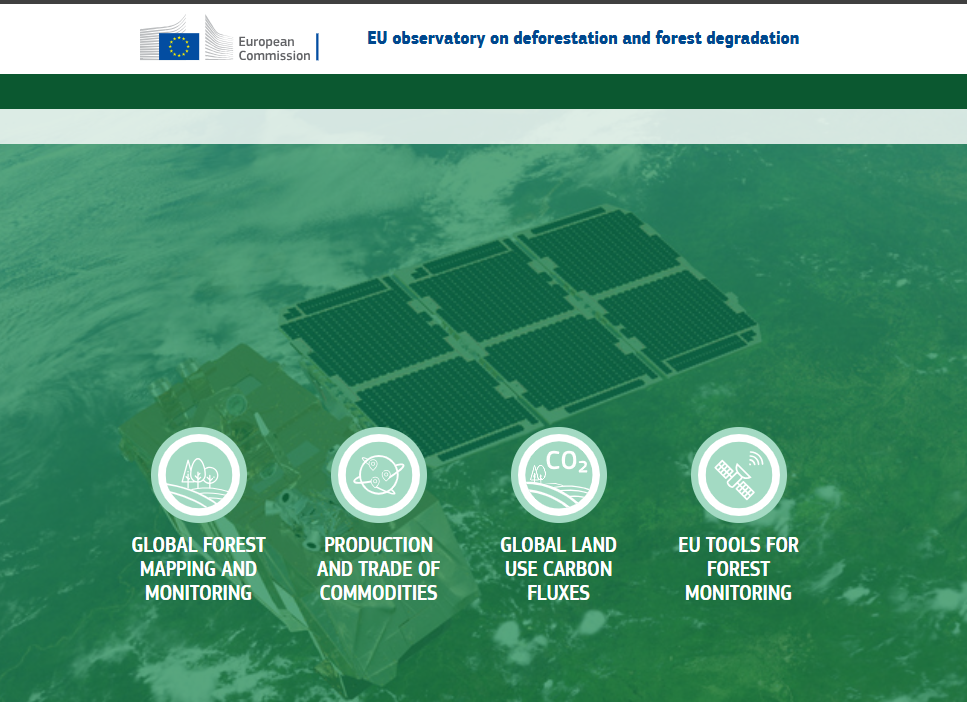
EU observatory on deforestation and forest degradation
The Observatory is a non-mandatory, non-exclusive and legally non-binding tool that can support operators, traders and competent authorities of the…
Thematic Report on Biodiversity Disclosure Initiatives
In line with the growing recognition of the importance of biodiversity for business, the demand for disclosure of biodiversity business…
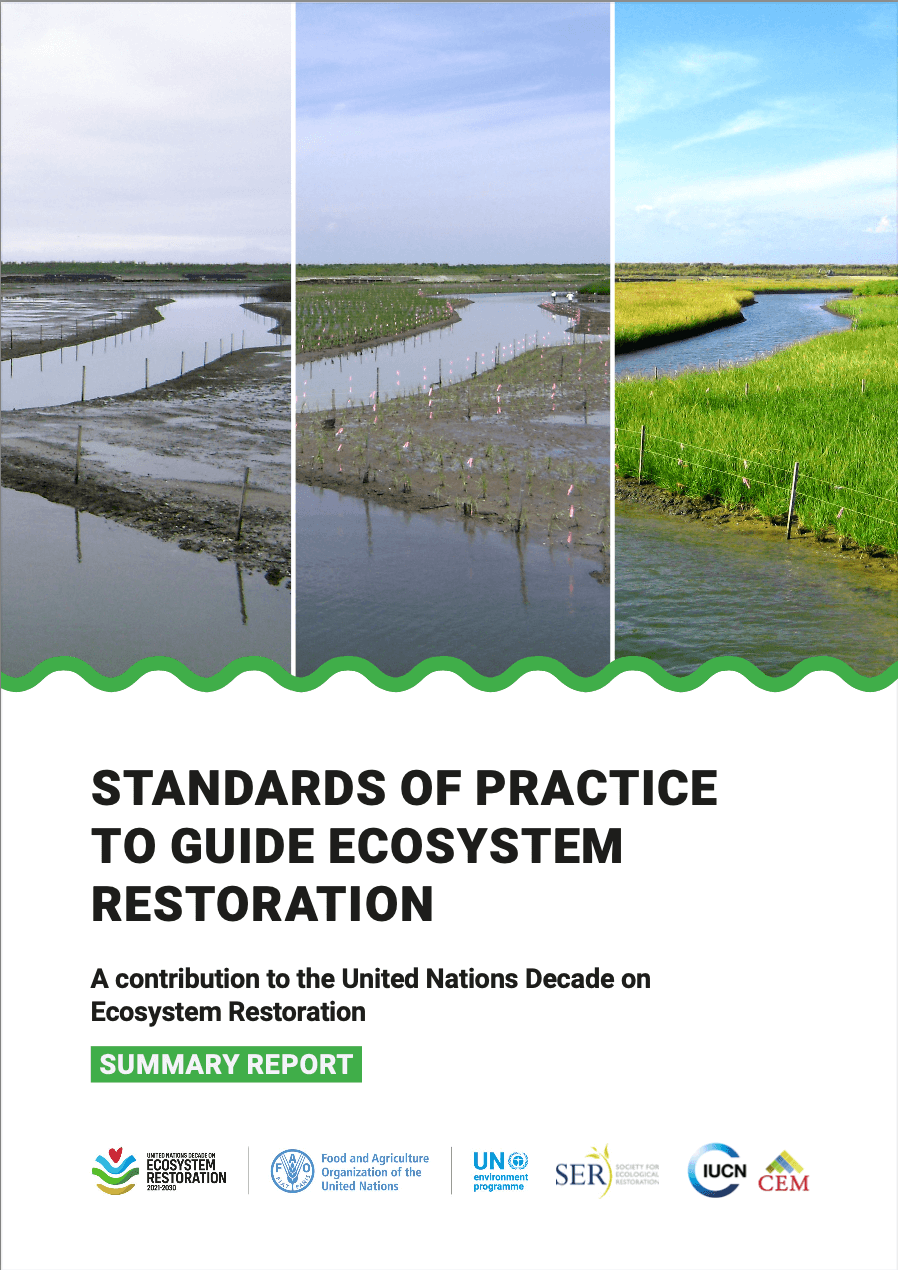
Standards of practice to guide ecosystem restoration
The United Nations Decade on Ecosystem Restoration 2021-2030 (hereinafter referred to as the "United Nations Decade") recognizes the critical need…