

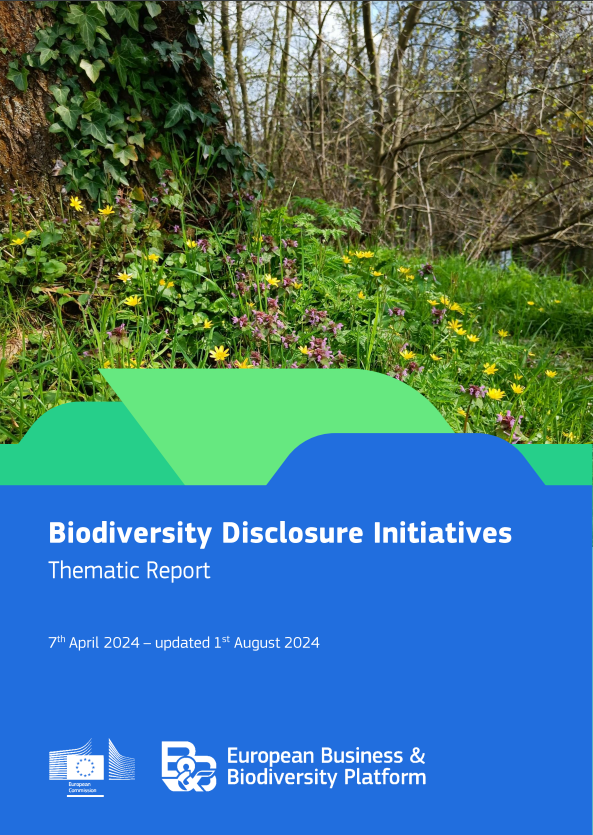
Detalles
In line with the growing recognition of the importance of biodiversity for business, the demand for disclosure of biodiversity business performance is also growing. A number of biodiversity disclosure frameworks and standards, both regulatory and voluntary, have been published or are being developed.
This development is welcome, as information about an organization's biodiversity performance triggers action to continuously improve performance. However, despite significant alignment efforts between some of these outreach initiatives, it is not always apparent to most companies how they relate to each other, to what extent they overlap, and where substantial differences can be observed.
The creators of information reporting frameworks and standards attempt to address this concern by providing so-called interoperability maps or mapping tables, which provide high-level benchmarking that covers the full range of disclosure requirements.
The aim of this thematic report is to fill this gap by focusing specifically on biodiversity within the respective declassification initiatives and highlighting relevant differences and similarities.
Recursos relacionados


Global Survey of Nature Risk Management at Financial Firms. 2024: A Discipline in Its Infancy
Nature loss has a profound impact on the economy and is a source of significant risk for financial institutions. In…
Corporate Sustainability Due Diligence Directive (CSDDD). CDP Policy Explainer
This CDP paper addresses the European Union's proposal for a Corporate Sustainability Due Diligence Directive (CSDDD), highlighting relevant aspects such…